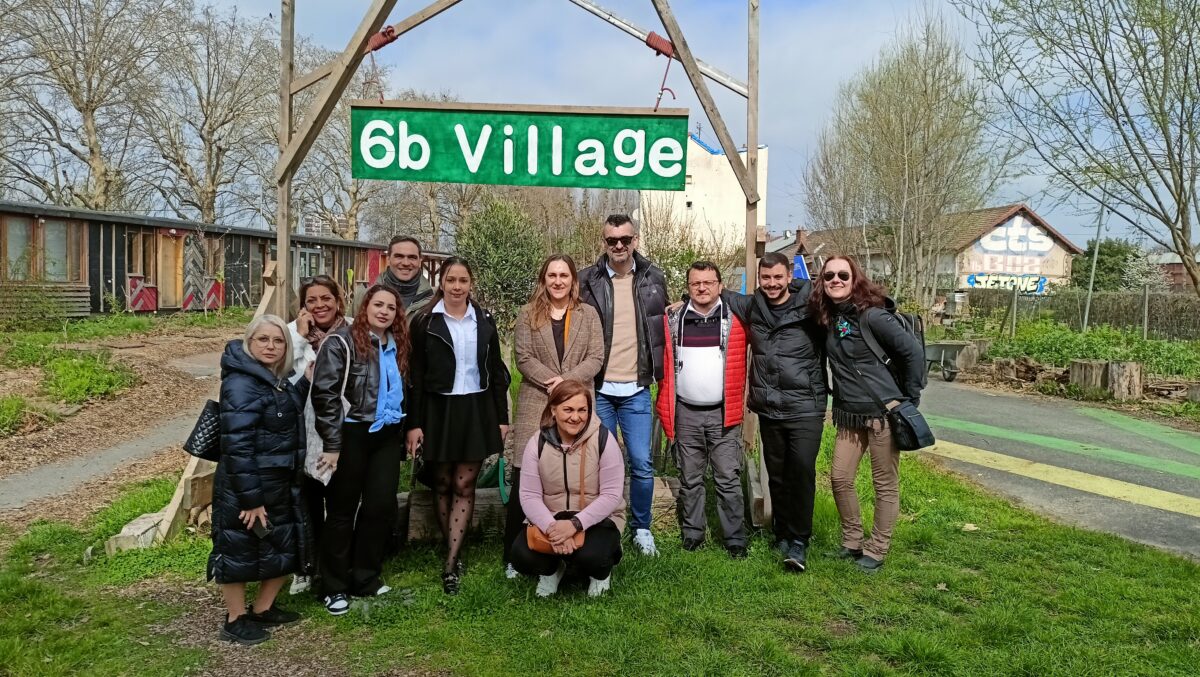
ERGO Network Study Visit to La Voix des Rroms

ERGO Network Study Visit to La Voix des Rroms

26-28 March 2025, Paris, France

In March 2025, some of our members participated in a three-day study visit to Paris hosted by our French member, La Voix des Rroms. The trip provided an opportunity to learn more about our members and other grassroots initiatives, explore the rich cultural heritage of Roma in France, and reflect on the ongoing struggles and resistance of Roma communities.

Remembering and resisting: Médiathèque Matéo Maximoff

The study visit began at the Médiathèque Matéo Maximoff, a cultural institution dedicated to Roma history and literature. Established in 1949 and managed by FNASAT, the library serves as a resource for Roma heritage, holding books, films, vinyl records, and the extensive archives of its namesake, Matéo Maximoff. A pioneering Roma writer, Maximoff documented Roma life and resilience, leaving behind 8,000 photographic slides that continue to inspire new generations.
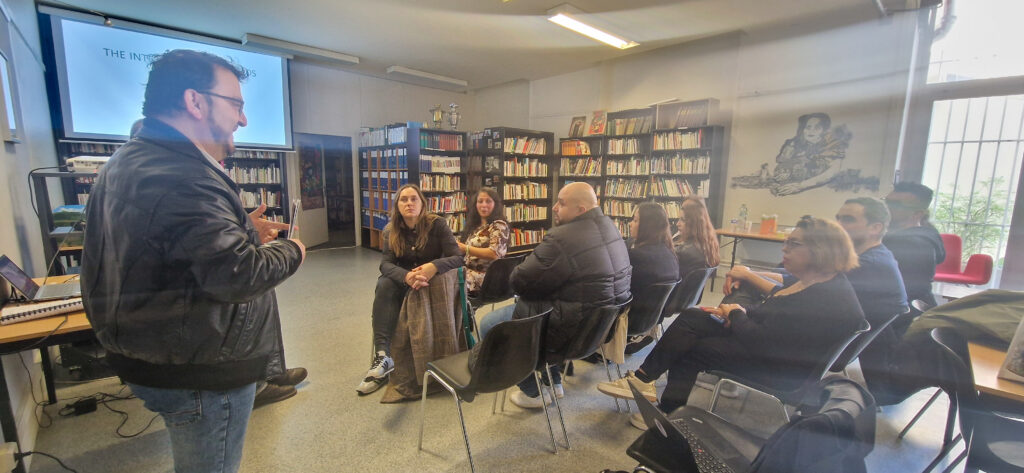
Participants were moved by stories of the Nazi-era internment of Roma in France, a tragic history marked by forced confinement and discrimination that persisted long after World War II. The visit reinforced the importance of preserving Roma narratives, also as a means of advocating for justice.

Inclusion in action: Les Enfants du Canal

At Le Mesnil, participants engaged with Les Enfants du Canal, an initiative supporting Roma migrants from Romania. Founded in 2007, the organisation provides housing, employment opportunities, and educational workshops. A fixed address is essential in France to access basic rights, and the project has successfully assisted 86 families in securing stable housing and employment.


The visit allowed participants to meet Roma families, witness the living conditions in supported housing, and discuss the integration challenges. Conversations underscored the need for sustainable policies that empower Roma migrants rather than marginalising them.

Roma resistance and activism: La Voix des Rroms

La Voix des Rroms, a key ERGO Network member, has been at the forefront of Roma activism in France. The organisation has championed Roma resistance since 2010, advocating against evictions, mediating with public authorities, and providing legal support. Their small but dedicated team works tirelessly to combat discrimination and promote Roma rights.
During the visit to their office at 6B in Saint-Denis, discussions revolved around the financing of Roma NGOs, the role of young people in activism, and the challenges of maintaining independence from government influence. The dynamic exchange sparked ideas for future collaborations and reinforced the importance of grassroots advocacy.

Honouring the past: A tribute to Raymond Gurême
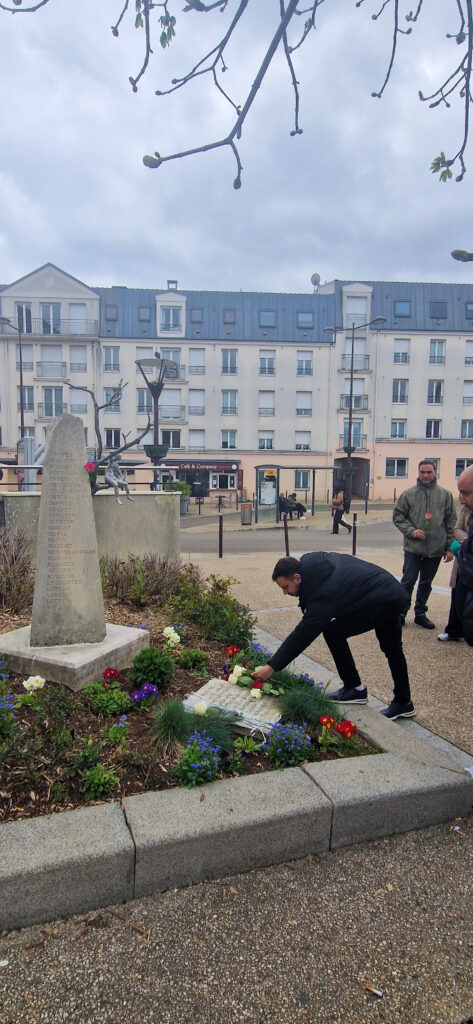
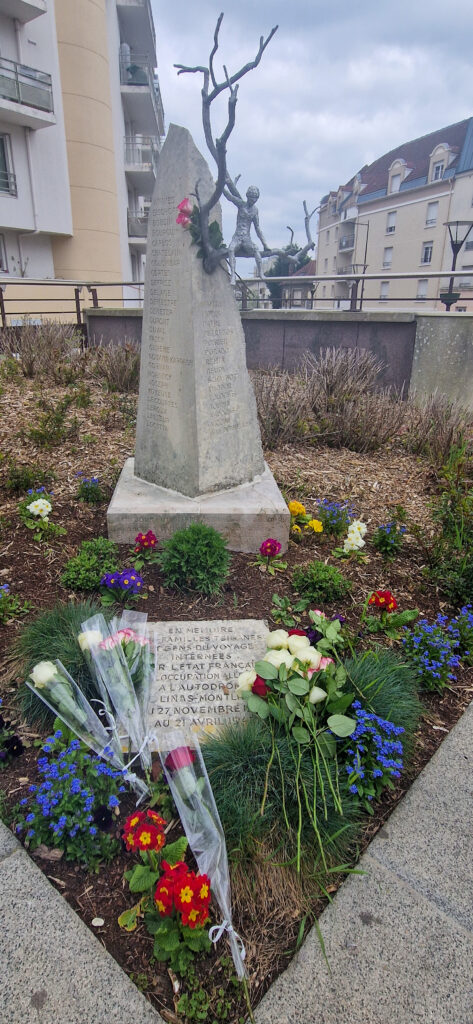
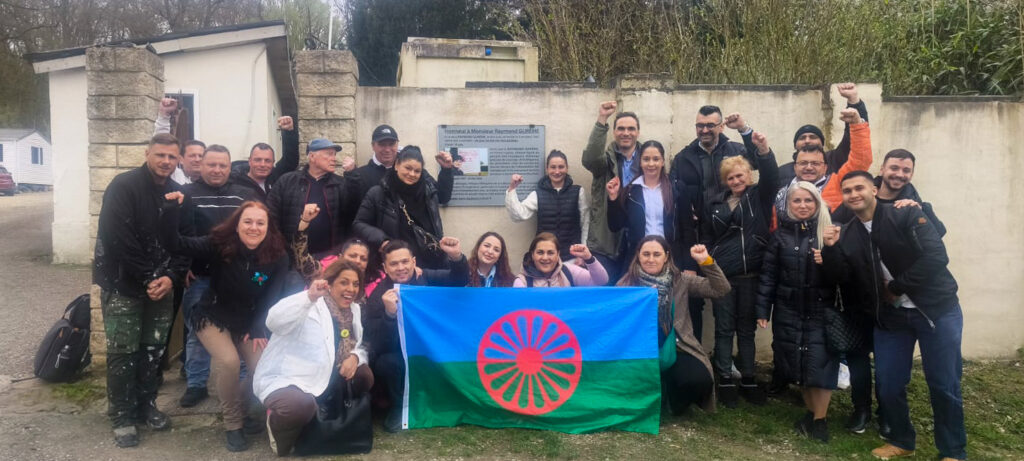
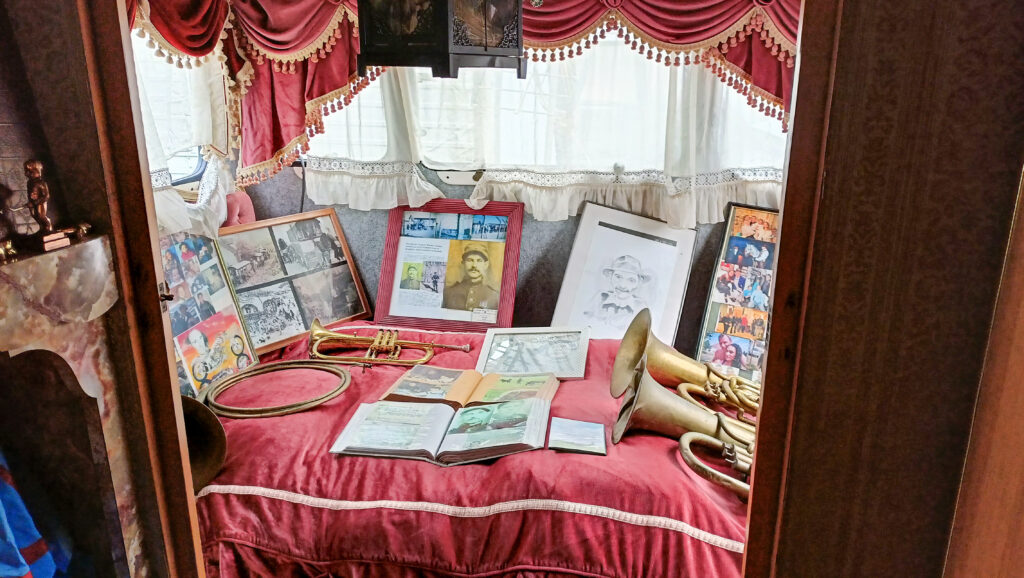
A particularly emotional moment of the visit was the tribute to Raymond Gurême, a Roma resistance hero who survived Nazi persecution and spent his life fighting against antigypsyism. At Brétigny-sur-Orge, participants laid flowers at the memorial for interned Roma and met Gurême’s family, who welcomed them warmly at their home. Seeing his preserved caravan, where he lived until his passing, was a powerful reminder of the resilience and dignity of Roma communities.
Reflections and moving forward

Beyond the official visits, the group explored Paris, unfolded the Roma flag at the Eiffel Tower, and engaged in deep conversations about the similarities and differences between Roma experiences across Europe. The study visit strengthened our connections and let us better understand not only the realities of Roma in France and the work of La Voix des Rroms but also other European realities.
Zuralipe, Roma Women Association of Dendropotamos

Zuralipe, Roma Women Association of Dendropotamos

This is an article presenting the project prepared by the Roma Women Association of Dendropotamos, Greece given the subgrants under the ERGO sub-granting scheme 2024, funded by the EU

Improving Healthcare Access for Roma Communities.

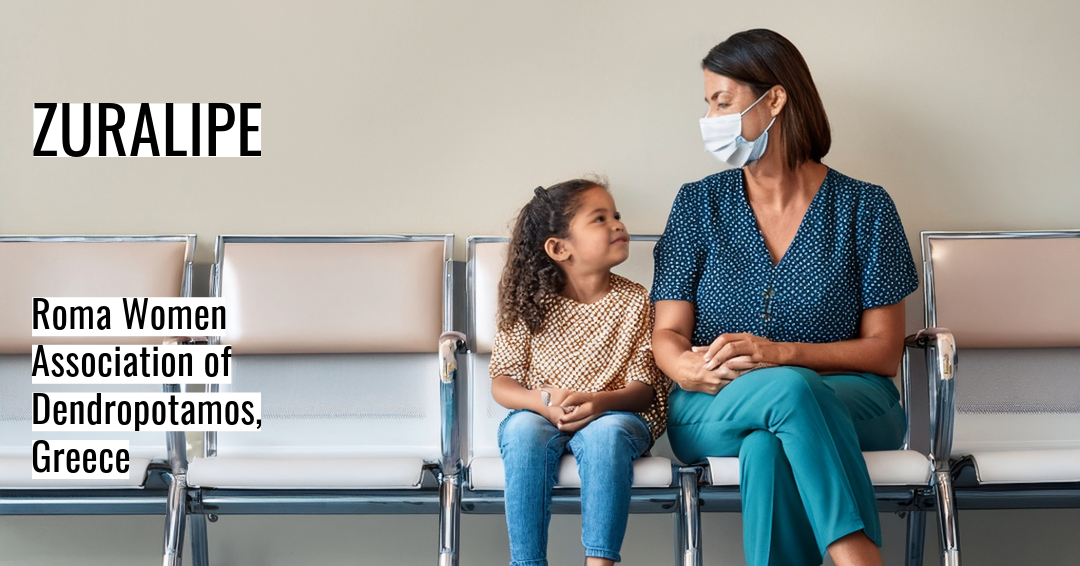
There has been an urgent need to focus on improving Roma access to healthcare and raising awareness of the environmental justice’s health impacts in Greece. The project ZURALIPE, conducted by our member Roma Women Association of Dendropotamos, included workshops for Roma communities and health professionals, preventive health checks for Roma women, and discussions on combating stereotypes. Through a series of workshops, awareness events, and strategic planning sessions, the project has helped address key health challenges faced by the Roma population.

Key Achievements and Advocacy for Better Healthcare

As part of the Zuralipe project, the organisation implemented two environmental health workshops aimed at educating Roma communities. Additionally, participation in an external meeting ensured that Roma health concerns were represented in broader public health discussions. To further increase awareness, three dedicated events were organised, focusing on environmental justice and its effects on health. 

The women who took part expressed the need for a paediatrician and gynaecologist within the community. They highlighted the difficulty of scheduling appointments for their children’s vaccinations and shared that they often prefer visiting private healthcare institutions, as they do not feel safe in public facilities and many more.

Collaboration and Support for Roma Women’s Health

Collaboration was an important aspect of the project, with planning sessions helping to refine strategies and strengthen partnerships for future health interventions. A significant aspect of the initiative was supporting Roma women in accessing preventive health screenings, with women receiving assistance in scheduling and completing necessary medical check-ups. 

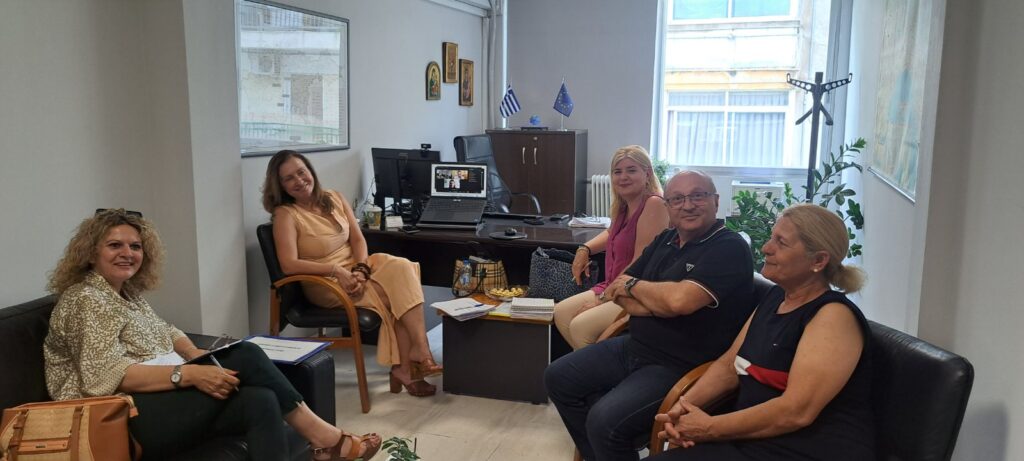
The Roma Women Association of Dendropotamos successfully engaged key policymakers and healthcare authorities throughout the project. Discussions were held with the Deputy Minister of Social Cohesion and Family, the Deputy Commander of the 3rd Directorate of the Ministry of Health, and the heads of health centres in Evosmos, Katerini, Ampelokipoi, and General Hospital G. Gennimatas. These meetings were crucial in advocating for better healthcare access and addressing the specific needs of Roma communities.

Memorandum of Cooperation and Future Plans

A key achievement of the Zuralipe project was the signing of a Memorandum of Cooperation with the 3rd Health Directorate of Macedonia, establishing a foundation for continued collaboration on Roma health initiatives. In addition, a joint action plan was developed to raise awareness among health professionals, working to combat stereotypes and improve the treatment of Roma patients. Another important milestone was the meeting with Ministry of Health officials to advocate for the appointment of Roma health mediators in health centres, ensuring better communication and accessibility for Roma patients.

The Roma Women Association of Dendropotamos ensured that they will continue building on the results of the Zuralipe project. They witnessed that Roma women from the region are now united, and they have built trust in the initiative. The organisation will also continue advocating for the placement of Roma health mediators in health centres, working towards better healthcare access and cultural understanding. 

If you have any further questions about this application, drop us an email at info@staging.ergonetwork.org.

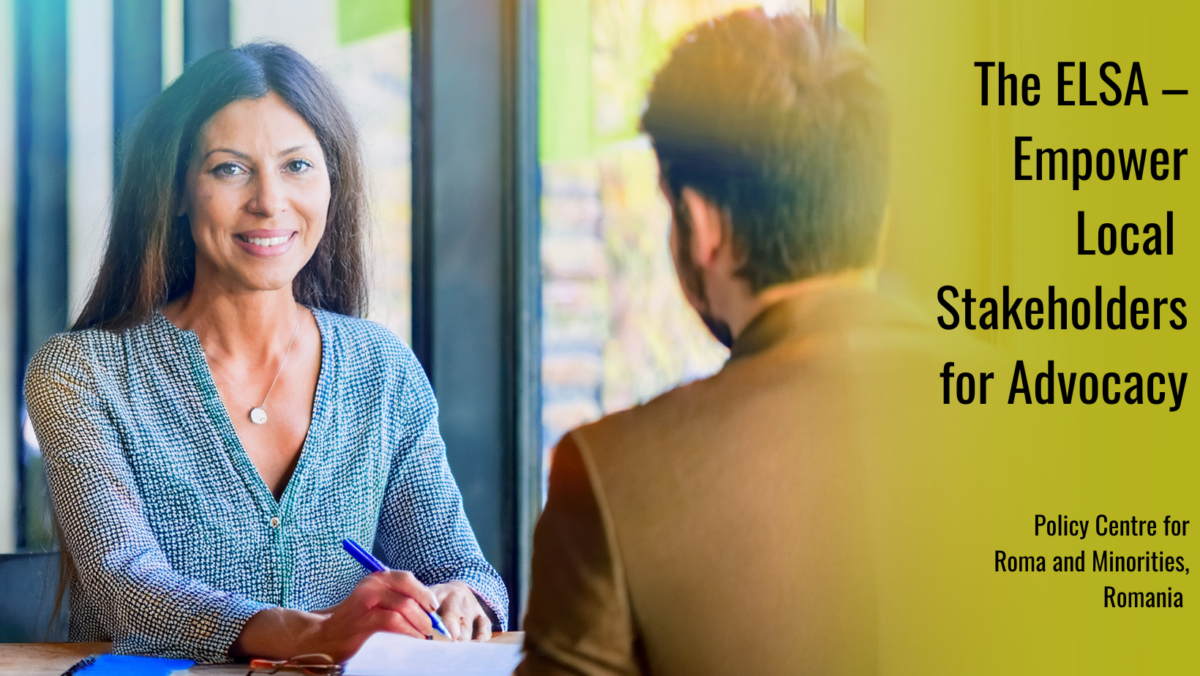
The ELSA – Empower Local Stakeholders for Advocacy

Building Bridges: A milestone for social work in Romania 

This is an article presenting the project prepared by the Policy Center for Roma and Minorities, Romania, given the subgrants under the ERGO sub-granting scheme 2024, funded by the EU

A bold step towards systemic change 

In a significant development for Romania’s social sector, our member organisation, Policy Center for Roma and Minorities, has created an association that unites local social work departments under a single umbrella. The Association of the Public Services for Social Work (Asociația Serviciilor Publice de Asistență Socială) is the first of its kind, offering a platform for municipalities to collaborate, advocate for policy changes, and share expertise to improve social services for marginalised communities, particularly Roma people. 

The process of forming the association was not straightforward. Local social work departments from Tulcea, Râmnicu Sărat, and Piatra Neamț municipalities had to navigate bureaucratic hurdles, particularly securing approval from local councils during elections. Despite these challenges, the association was legally established in August 2024 to enhance social service coordination at the national level. 

Creating a platform for action 

Following its establishment, the association quickly set up its website, a vital tool for knowledge-sharing and communication. Initially, debates arose regarding its content: some stakeholders pushed for a repository of legal and administrative documents, while others advocated for a more advocacy-focused structure. The final website balances both perspectives, offering sections on legislation, advocacy, open calls for proposals, and a dedicated members’ area. 

The association’s launch event, held on 22–23 October 2024, was a major success. It brought together 60 participants, including social workers from across Romania and key figures such as Daniela Barbu, State Secretary at the Ministry of Labour and Social Solidarity, and Bogdan Simion, President of the Social and Economic Council of Romania. These discussions set the stage for future cooperation, with ministry officials offering guidance on navigating legislative barriers. 

Strengthening institutional ties 

Engaging with government institutions has been crucial to the association’s mission. Meetings with the Ministry of Labour and Social Solidarity and the Ministry of Development, Public Works and Administration have opened new communication channels. In some cases, these discussions, lasting over two hours, have focused on clarifying intervention methods, harmonising legislation, and establishing direct contact points between the association and policymakers. 

However, not all efforts bore fruit. Attempts to meet with the Ministry of EU Funds were unsuccessful due to scheduling conflicts and difficulties securing a point of contact. This highlights the ongoing challenges in bridging local and national levels of governance. 

Training the next generation of advocates 

Beyond policy engagement, the association has prioritised capacity-building. Two online training sessions were organised, reaching 20 NGO representatives. The first focused on project writing, equipping NGOs with the skills to secure funding for impactful initiatives. The second addressed collaboration with local and central authorities, a crucial aspect of ensuring Roma communities receive the support they need. 

Participants found the sessions invaluable, particularly as many were new to grant writing and institutional engagement. Future training sessions will expand on these themes, responding to the evolving needs of grassroots organisations. 

A model for other countries? 

While still in its early stages, this initiative holds immense potential to inspire similar efforts across Europe. Many local administrations struggle with isolated decision-making and lack formal coordination structures. This association presents a replicable model where social work departments collaborate, rather than compete, to tackle systemic challenges. 

The association aims to grow its membership beyond the initial three municipalities. Efforts are already underway to encourage more social work departments to join, despite the lengthy process of securing local council approval. Additionally, plans are in place to host a national consultation on case management procedures in 2025, bringing together multiple ministries and institutions. 

Ensuring sustainability 

The success of this association hinges on continued engagement with national authorities and expanding its membership base. While initial support from the ROMACT programme and ERGO Network has been instrumental, long-term sustainability will require strong institutional buy-in. 

One promising direction is closer cooperation between social work departments and Roma NGOs, particularly in data collection and joint funding applications. Strengthening these relationships will ensure that Roma communities—among the most affected by social policies—are not just beneficiaries but active participants in shaping solutions. 

This initiative is a testament to what can be achieved when institutions work together with a shared vision. We hope this model will thrive in Romania and serve as a blueprint for social work reform across Europe. 

If you have any further questions about this application, drop us an email at info@staging.ergonetwork.org.

Statement on the International Day for the Elimination of Racial Discrimination

ERGO Network Statement on the International Day for the Elimination of Racial Discrimination

For centuries, Roma communities across Europe have faced systemic discrimination, marginalisation, and racism. As we mark the International Day for the Elimination of Racial Discrimination on 21 March, we at ERGO Network reaffirm our commitment to fighting racism in all its forms and advancing justice and equality for Roma and all racialised communities in Europe. This year’s commemoration takes place in a particularly critical context, with far-right movements on the rise, civic space under attack, and racialised communities facing escalating discrimination, criminalisation, and exclusion.

Current challenges

Despite the European Union’s commitments under the EU Anti-Racism Action Plan (EU ARAP), systemic racism remains deeply entrenched across Member States. Roma communities continue to experience widespread antigypsyism, facing barriers in housing, education, employment, and healthcare. At the same time, anti-migrant policies and racialised policing disproportionately impact Black, Muslim, and other racialised communities, reinforcing a hierarchy of oppression that divides rather than unites our struggles.

In these challenging socio-political times, when major global powers compete against each other, racialised minorities often find themselves caught in the crossfire. Human rights issues and anti-racism efforts risk becoming political pawns rather than moral imperatives. This reality underscores why authentic solidarity across communities is not merely beneficial—it is essential.

As ERGO Network Advocacy Officer Isabela Mihalache put it: “I believe our fight for racial justice is not just for the benefit of any single group, but for the dignity and rights of all marginalised communities. Only through coming together, understanding our shared struggles, and working in solidarity can we pave the way for meaningful, lasting change. This is a collective journey towards a world where all racialised people can experience dignity, equality, and the freedom to live without fear or discrimination.”

ERGO Network’s engagement in anti-racism initiatives

This is why ERGO Network is actively engaged in the Anti-Racism and Diversity Week 2025 (ARDW25), a key civil society-led initiative coordinated by the European Network Against Racism (ENAR). ARDW25 is an opportunity to challenge the EU’s inadequate response to systemic racism and push for a bold, intersectional, and decolonial approach to racial justice.

The European elections of 2024 signalled growing political threats to racial justice, with increased securitisation, austerity, and restrictions on civic engagement. Civil society’s role in holding institutions accountable has never been more vital in this context. ARDW25 serves as a platform to demand a transformative EU Anti-Racism Strategy post-2025 that centres the voices of all racialised communities, addresses colonial legacies, treats all forms of racism equally, ensures synergies with specific equality policy frameworks, and establishes sound monitoring and evaluation mechanisms to ensure meaningful policy change, rather than mere performative commitments.

Challenges within civil society

The roundtable discussions highlighted a troubling trend of fragmentation among civil society organisations and advocacy groups. When we compete against each other for resources, visibility, or political favour, we inadvertently reinforce the systems we seek to dismantle.

“Whether it’s Palestine today, Congo tomorrow, or Roma communities the next day—we must lift each other, keeping each other not just in our thoughts but also firmly in our hands,” emphasised Isabela Mihalache.

From words to action

For Roma communities, solidarity cannot remain theoretical. We have experienced firsthand how isolation makes us vulnerable to rights violations and discrimination. Our approach must be practical and sustained:

  1. Create collaborative platforms that bring together diverse voices against racism
  2. Develop unified messaging that resonates across cultural and social boundaries
  3. Organise joint demonstrations that show the strength of our collective resolve
  4. Establish rapid response networks to react swiftly to discrimination incidents
  5. Build relationships daily, not just during designated events or observances

We recognise that vulnerability, when shared, becomes strength. Acknowledging our different but connected struggles creates a foundation for genuine solidarity.

On this International Day for the Elimination of Racial Discrimination, we call upon governments, international institutions, civil society organisations, and individuals to:

  • Recognise antigypsyism as a specific form of racism affecting Roma communities across Europe
  • Support intersectional approaches to combating racism that acknowledge multiple and overlapping forms of discrimination
  • Fund grassroots initiatives that promote cross-community solidarity and cooperation
  • Ensure that Roma voices lead conversations about their own experiences and solutions

By standing together—not just in our thoughts but in our actions—we can create a Europe where racial discrimination becomes a relic of the past rather than a daily reality for millions. According to Isabela: “It is a unique privilege to work together in this struggle, and we look forward to bringing more voices, more groups, and more perspectives into this vital conversation.”

We are hiring Finance Manager

Position: Finance Manager 

ERGO Network is hiring a new Finance Manager to join its team in Brussels. 

ERGO Network 

ERGO Network (www.ergonetwork.org) brings together over 30 members from across Europe and supports organisations with a common perspective on Roma grassroots empowerment and equal citizenship to challenge stereotypes and combat stigmatisation. We mobilise and connect organisations and individuals that share and express our values – active citizenship, shared responsibility, and passion- to strengthen Roma civil society’s involvement in decision-making at local, national, and European levels and address existing shortcomings of policies targeted at Roma.  

Responsibilities 

Financial management : 

  • Checking incoming invoices for correctness and liaising with Senior Programme Manager for approval and analytical codes. 
  • Recording and bookkeeping of outgoing and incoming invoices into the system (accountancy software) using analytical departments. 
  • Arranging payments upon approval of the Director.  
  • Arranging travel reimbursements for staff and event participants. 
  • Managing the cashbox. 
  • Preparing contracts and outgoing invoices based on instructions from the Director and Senior Programme Manager and following up on payment of invoices. 
  • Quarterly expenditure and income reporting and financial forecasts to Director, Senior Programme Manager and Treasurer of the Board. 
  • Preparation of financial documents for presentation to the Board, General Assembly and for the annual report. 
  • Financial reporting to donors in cooperation with the Senior Programme Manager. 
  • Contribution to the preparation of the annual budget. 
  • Timely preparation of audits and liaising with external auditors for project and statutory audits. 
  • Fulfilling obligations for the Belgian VAT and tax administration. 
  • Liaising with the bank (KBC Brussels). 

Human resources: 

  • Liaising with the Belgian payroll company (Partena), including sending monthly staff presence report to the payroll company.  
  • Preparing employment contracts in correspondence with Belgian law. 
  • Be the first contact point for staff for obligations/rights regarding Belgian labour law and introduce new staff members to relevant Belgian rules and regulations. 
  • Preparing Dimona identification “fiches” for new members of the staff.  
  • Liaising with the company responsible for medical checks (Mensura). 
  • Liaising with the insurance companies. 
  • Order  luncheon vouchers on a monthly basis according to presence. 
  • Arrange for work permits when needed by staff from outside the EU. 

Profile 

Essential:  

  • Experience in bookkeeping, accounting and budget management  
  • Experience in financial planning and analysis 
  • Experience in Belgian payroll management 
  • Excellent knowledge of Belgian regulations related to financial and human resources management 
  • Excellent command of English and French  
  • Ability to work independently and at the same time coordinate regularly with the ERGO team and member organisations 
  • Good eye for and attention to detail  

Desirable:  

  • Experience working in the NGO sector 
  • Experience with EU grants 
  • Experience working in a multicultural environment 
  • Understanding of racism 

Conditions: 

  • Undetermined contract on 80% basis (4 days a week or 5 days with 6 hours per day) 
  • Work location: Brussels (at least 2 days a week presence in the office) 
  • Starting date: As soon as possible 

We offer: 

  • Salary between 3800 and 4500 € per month based on experience 
  • 13th-month salary  
  • Holiday allowance  
  • Luncheon vouchers (8€ per working day) 
  • Transport allowance (49€ per month) 
  • Telework allowance (129€)  
  • DKV hospitalisation insurance  
  • Additional 7 days of holidays per year  
  • An organisation committed to values of democracy, fairness, integrity and sustainability. 
  • A friendly and respectful work environment. 

Application procedure 

Interested and qualified candidates should submit the application form to admin@staging.ergonetwork.org by 4 May 2025, 23:59 CET, indicating in the subject of the email “Application Finance Manager”. This email address can also be used for further information and questions. It is not necessary to submit a CV or motivation letter in addition to the application form. 

Successful candidates will be invited for interviews in the week of 12 May 2025. Interviews can be taken in person or online. We are not able to reimburse travel costs to attend the interview.  

ERGO is an equal opportunities employer. We respect our employees’ private lives, including where they take care roles. We strive to be an inclusive organisation and encourage applications from a diverse range of candidates.

`
General – Page 7 – ERGO Network

By continuing to use the site, you agree to the use of cookies. more information

The cookie settings on this website are set to "allow cookies" to give you the best browsing experience possible. If you continue to use this website without changing your cookie settings or you click "Accept" below then you are consenting to this.

Close