Statement on “Šutar Law” in Slovenia

Urgent EU response needed to rising anti-Roma sentiment in Slovenia: Escalating antigypsyism in Slovenia following the Novo Mesto incident

by Stelina Dungaj

ERGO Network expresses deep alarm over the escalating antigypsyism and collective blaming of Roma communities in Slovenia in the aftermath of the recent tragic incident in Novo Mesto. While we fully recognise the gravity of the crime and the importance of justice for the victim and his family, the current public discourse and political responses risk undermining fundamental rights and social cohesion in Slovenia.

What is the “Šutar Law” and the recent developments

On 25 October 2025, a Slovenian citizen, Mr Aleš Šutar, was fatally assaulted outside a nightclub in Novo Mesto. The alleged perpetrator, reportedly from the Roma community, was arrested and remains under investigation.

However, instead of focusing on individual accountability, public reaction quickly turned into mass protests, antigypsyist rhetoric, and calls for punitive measures against the entire community.

Over ten thousand people gathered in demonstrations that, in many cases, carried openly discriminatory and stigmatising messages targeting Roma residents. The situation has escalated politically, with the resignation of Slovenia’s Minister of Justice and Minister of the Interior, the mobilisation of auxiliary police, and calls for increased surveillance of Roma settlements.

These developments have triggered a dangerous shift in public discourse, in which Roma people are increasingly portrayed as a security threat rather than as equal citizens deserving of rights and protection.

In this tense climate, the Slovenian Parliament adopted a new security legislation package, widely referred to as the “Šutar Law,” that significantly expands police powers. The law allows warrantless entry into designated “high-risk” areas, increases surveillance capacities, and has been heavily criticised by Roma rights organisations, legal experts, and human rights groups who warn that it enables ethnic profiling and collective punishment. Adopted in the immediate aftermath of the Novo Mesto incident, the law risks institutionalising discriminatory practices under the guise of public security.

Our Concerns

ERGO Network is concerned that:

  • Collective blame and racialised narratives are dominating national discourse, reinforcing historic prejudice and social division.
  • Media and political framing have amplified stigmatisation rather than fostering responsible, fact-based reporting.
  • Institutional responses, including proposed increases in police powers, risk legitimising discrimination and deepening the marginalisation of Roma communities.
  • Roma partners and activists in Slovenia are reporting heightened fear, harassment, and social exclusion in their local environments.
    The adoption of the “Šutar Law,” with its provisions for warrantless entry and expanded surveillance, further exacerbates these risks by enabling disproportionate policing practices that may be applied in ethnically discriminatory ways.
  • This is not an isolated national issue but rather a European human rights crisis. When one Member State normalises antigypsyism, it sets a precedent that endangers all European Roma communities and erodes EU credibility on fundamental rights.

We urgently call on:

1. The European Commission

  • To publicly condemn antigypsyism and collective punishment narratives emerging from Slovenia.
  • To engage immediately with Slovenian authorities through the Commissioners for Justice, Equality, and Enlargement, ensuring that all national measures comply with EU law, the Charter of Fundamental Rights, and the EU Roma Strategic Framework.
  • To monitor and report on the situation, assessing whether national actions risk breaching EU non-discrimination and equality principles.

2. The Slovenian Government

  • To reaffirm its commitment to minority protection and human rights, it ensures that law enforcement acts proportionately and without ethnic bias.
  • To promote responsible public communication from political leaders that avoids stigmatisation.
  • To support Roma organisations and local mediators working on community cohesion and trust-building.

3. Media and Civil Society

  • To adopt ethical reporting standards and avoid sensationalist or collective language when covering cases involving Roma individuals.
  • To counter hate speech and misinformation, promote balanced and human rights–based narratives.
  • To stand in solidarity with Roma communities, amplifying their voices and ensuring their protection.

The recent developments in Slovenia, including the adoption of the “Šutar Law,” make clear that the situation has moved beyond spontaneous public outrage and entered the realm of institutionalised discrimination as the law risks embedding ethnic profiling into state practice and normalising the treatment of Roma communities as a security threat. Such measures not only endanger fundamental rights but also deepen social divisions and create conditions for long-term marginalisation.

This moment demands decisive action from both national authorities and EU institutions. Without a firm response, Slovenia risks setting a dangerous precedent for the erosion of minority rights across Europe. The escalation of antigypsyism and the implementation of discriminatory security policies must be urgently addressed to uphold the principles of equality, justice, and human dignity enshrined in the European project. Europe must demonstrate, unequivocally, that collective punishment and ethnic scapegoating have no place within its borders.

Voices of Change: Stories from Our Study Session

Voices of Change: Stories from Our Study Session

This summer, young Roma and pro-Roma activists came together for our study session “Youth Ambassadors of the Decade Against Antigypsyism – From Passion to Action. And now we’re proud to share 4 powerful reflections written by our participants.

In “From Shame to Pride,” Sefer Shaqir from North Macedonia shares his journey from hiding his Roma identity as a child to embracing it with pride as a youth activist.

In “Passing – A Roma Girl Living on the Borders of Belonging,” Nestian Bianca Florina writes about reclaiming Roma identity after years of silence.

In “Solidarity in Struggle,” Chelsea Mac Donnchadha, an Irish Traveller activist, calls for stronger unity between Travellers and Roma in the shared fight against antigypsyism.

And finally, in “Don’t Be Afraid to Say Who You Are,” Lenutsa Moldavchuk from Ukraine tells how allyship, friendship, and learning about Roma history transformed her understanding of equality and justice.

These stories remind us that Roma youth are leading the way and their truthful healing histories shape our future.

ERGO Network position paper on Roma poverty in Europe

ERGO Network position paper on Roma poverty in Europe A contribution to the EU’s Anti-Poverty Strategy and beyond

Today, 17 October, on the occasion of the International Day for the Eradication of Poverty, ERGO Network is proud to launch its new position paper, “Ending Roma Poverty in the EU”.

The paper is ERGO Network’s contribution to the debate around the EU’s upcoming – and first-ever – Anti-Poverty Strategy, and calls for Roma poverty to be recognised and addressed as a structural injustice rooted in systemic racism, antigypsyism, and economic inequality.

Despite some progress, poverty among Roma across Europe remains alarmingly high: three out of four Roma are at risk of poverty, and 77% of Roma children grow up in households below the poverty threshold. These figures point to the urgent need for targeted, rights-based measures that go beyond economic indicators to tackle the root causes of exclusion.

The position paper sets out concrete recommendations for the EU and Member States to make the Anti-Poverty Strategy truly transformative. It calls for:

  • embedding the EU Roma poverty-reduction target (cutting Roma poverty by at least 50% by 2030) in all anti-poverty efforts;
  • integrating antigypsyism prevention and anti-racism measures as core pillars;
  • ensuring equal access to social protection, housing, education, healthcare, and decent work; and
  • guaranteeing the meaningful participation of Roma communities in the design, implementation, and monitoring of anti-poverty policies.

ERGO Network stresses that poverty is not an individual failure, but a political choice, and that ending Roma poverty is essential to achieving a fair, inclusive, and equal Europe for all.

For more information on ERGO Network’s work on Roma poverty, please contact Amana Ferro, Senior Policy Adviser, at a.ferro@staging.ergonetwork.org

ERGO Network Annual Policy Conference 2025


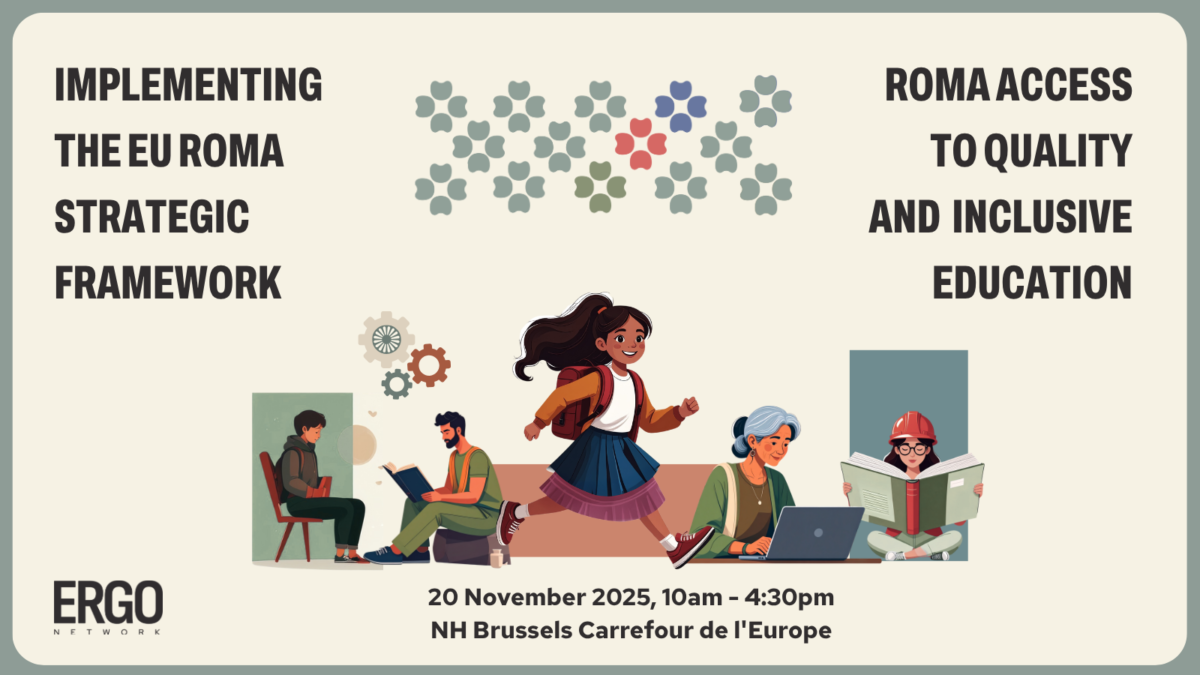
Implementing the EU Roma Strategic Framework
Roma access to quality and inclusive education

IMPLEMENTING THE EU ROMA STRATEGIC FRAMEWORK. ROMA ACCESS TO QUALITY AND INCLUSIVE EDUCATION

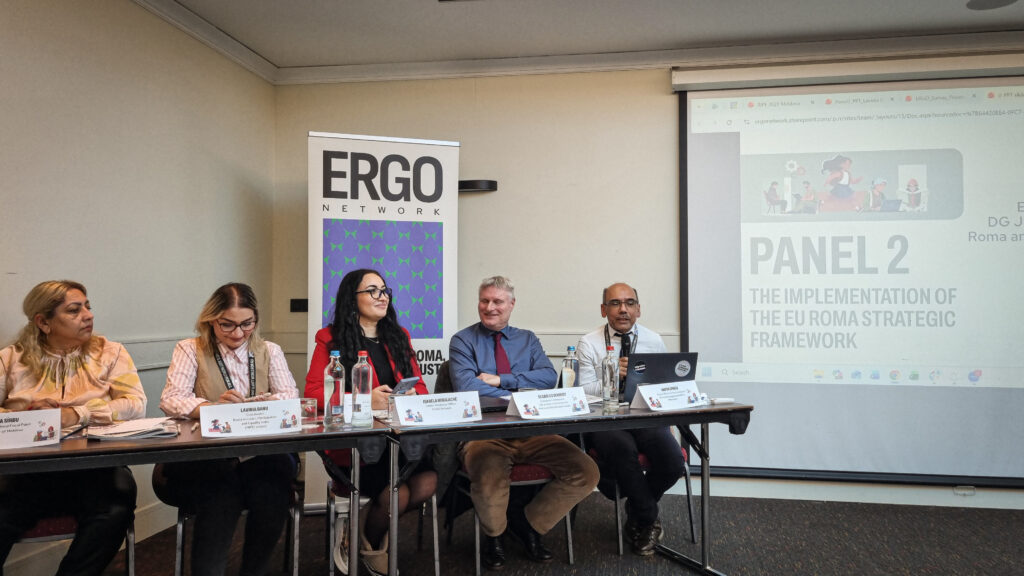
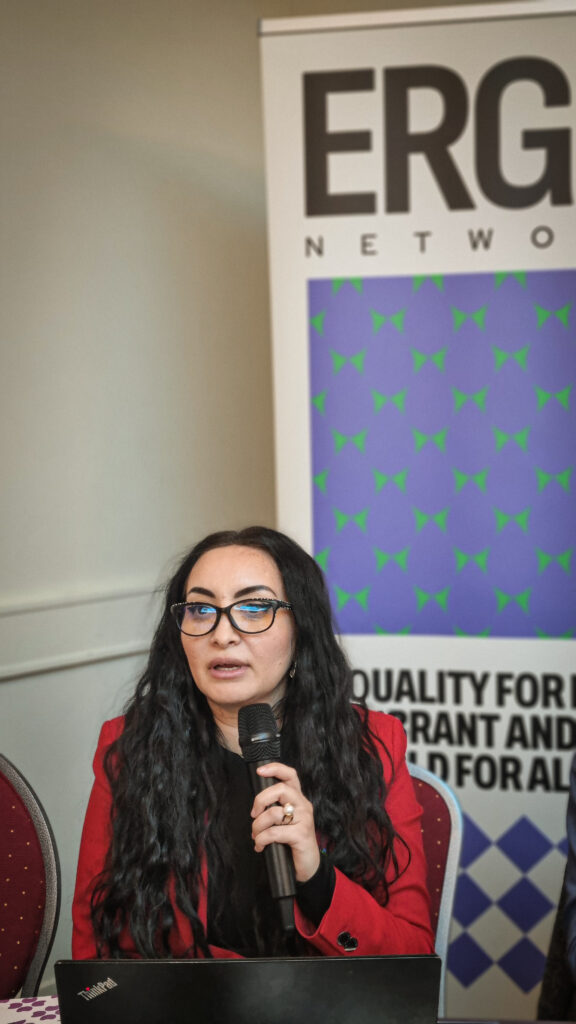
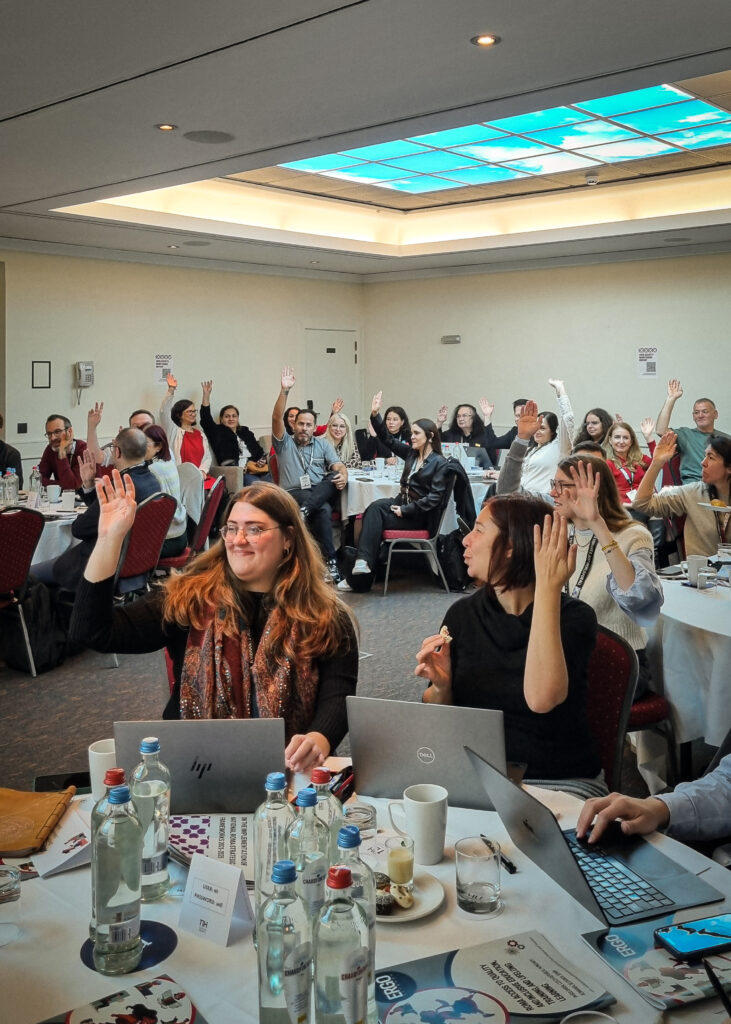
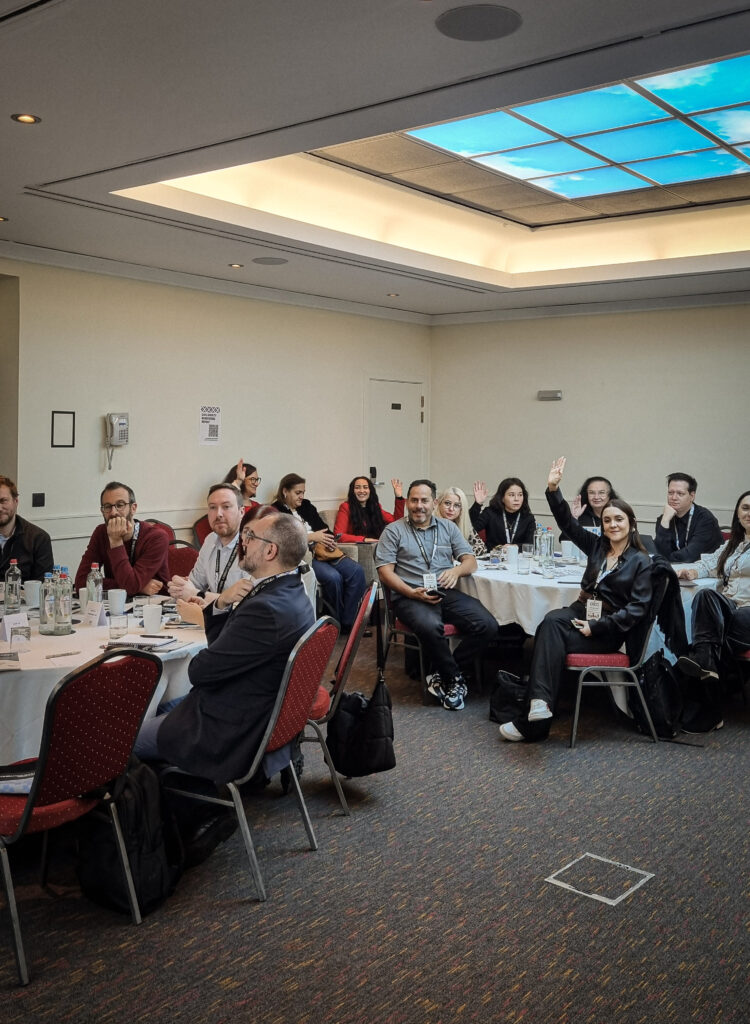
This past 20 November, ERGO Network organised its annual Policy Conference in Brussels, dedicated to exploring how to improve Roma access to quality and inclusive education, training, and lifelong learning, as well as to taking stock of the implementation of the EU and National Roma Frameworks and of Council of Europe standards on Roma inclusion.

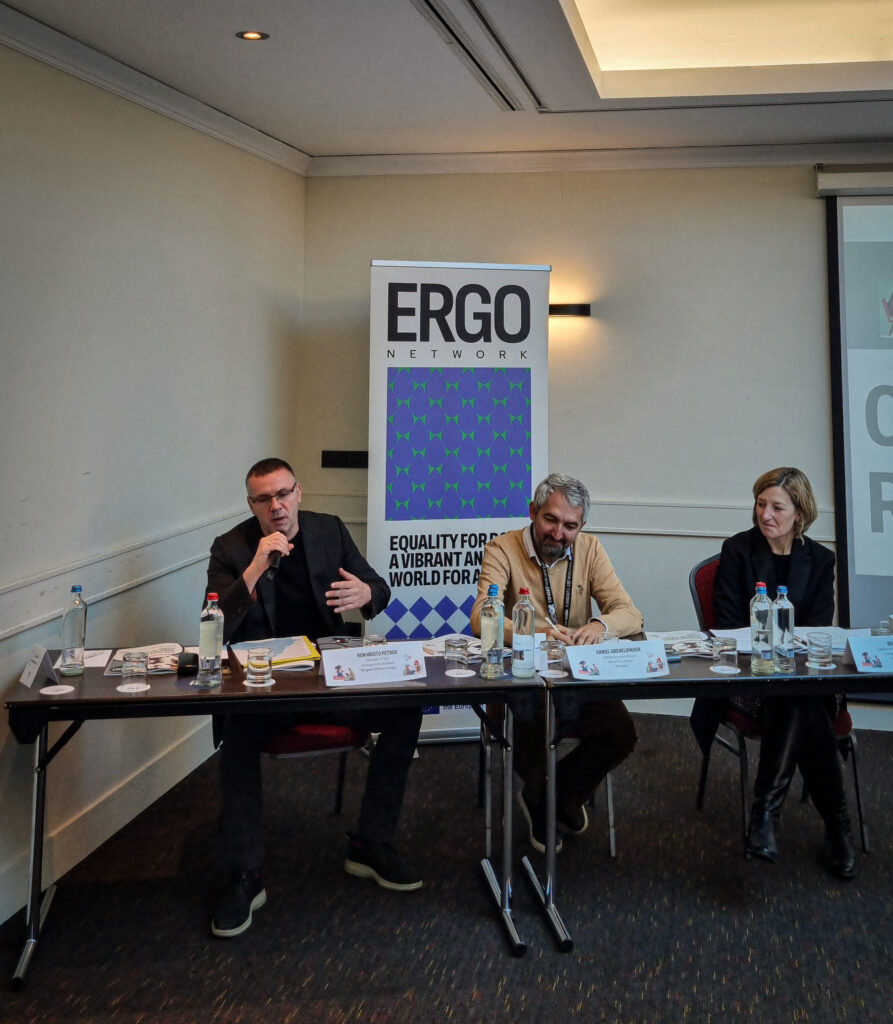
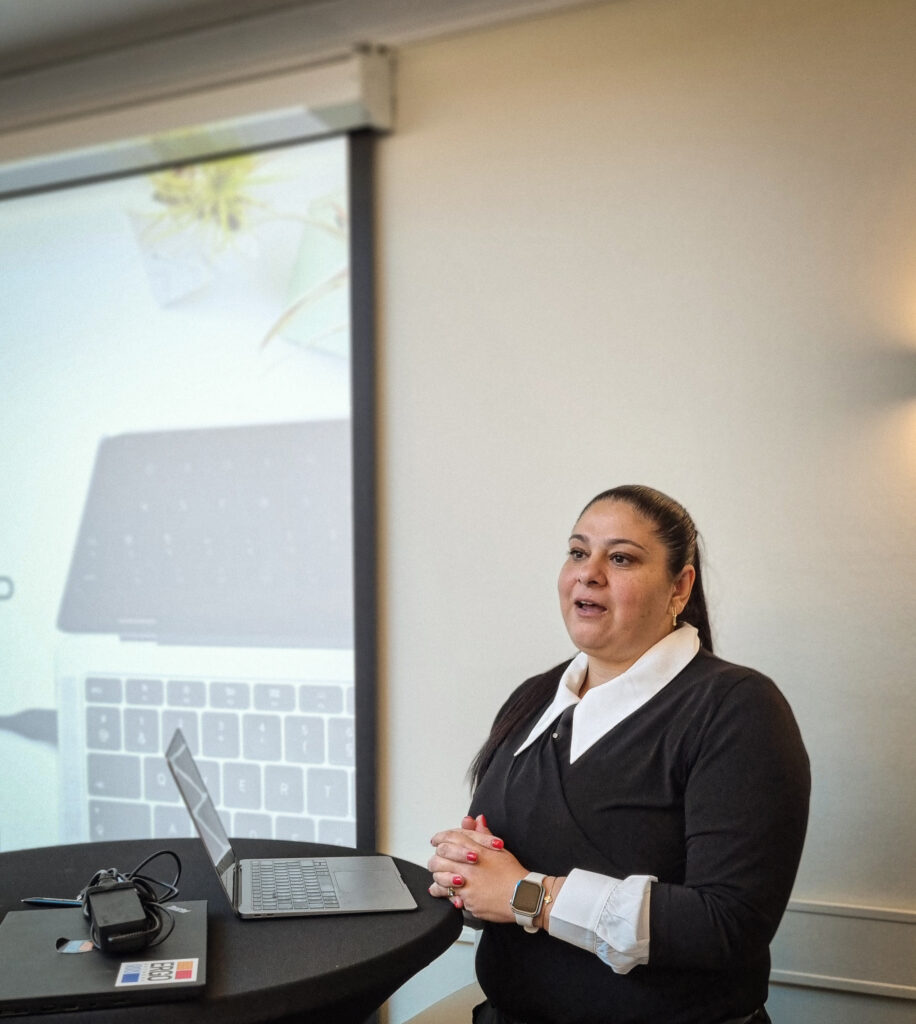
The Opening session featured welcome words by Daniel Grebeldinger of the ERGO Network Board, framing remarks by Eva Schultz from the cabinet of European Commission Executive Vice-President Roxana Mînzatu, and introductory reflections from Hon Hristo Petrov, Member of the European Parliament from Bulgaria, part of Renew Europe.  

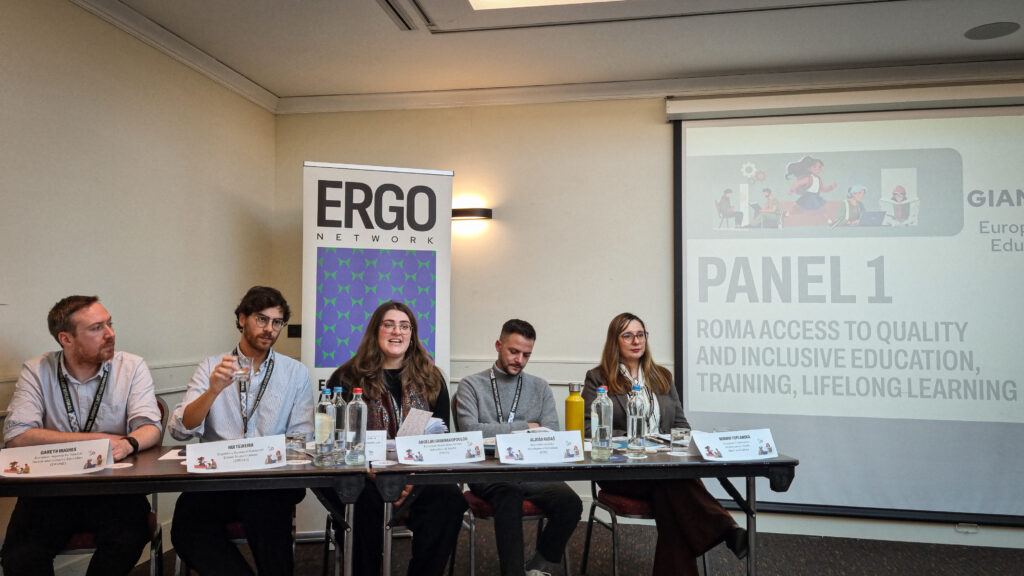
From a very young age, Roma children are unable to access the same learning opportunities as their peers. Poverty and discrimination lead to significantly lower attendance and completion rates for the Roma throughout the lifecycle. Pervasive antigypsyism, civil and institutional, results in segregated educational facilities and the misplacement of Roma children in special needs establishments. In the absence of sufficient and accessible second-chance schools and training opportunities, lifelong learning and upskilling are further impeded, and the Roma find themselves trapped in a constant state of poverty and low skills. Increasing effective equal access to quality and inclusive mainstream education is an objective of the EU Roma Strategic Framework, is extensively covered by the European Pillar of Social Rights, and is Goal 4 of the UN Sustainable Development Goals (SDGs).

The event launched ERGO Network’s research report on “Roma access to quality and inclusive education”, based on six national case studies carried out in Bulgaria, the Czech Republic, Hungary, Romania, Slovakia, and Spain. Additional benchmarking evidence was provided by ERGO Network members in Ireland and Sweden. The main findings and recommendations aim to kick-start a dialogue with key decision-makers and stakeholders to identify positive solutions to support better educational outcomes for Roma learners throughout the lifecycle and to inform the delivery of the EU Roma Strategic Framework, the European Pillar of Social Rights, and other relevant policy initiatives.

The Key Messages of the report are:

  • The Roma continue to face persistently low educational attainment and learning outcomes throughout the lifecycle
  • Financial and non-financial barriers to education continue to drive dropout and high NEET rates among Roma learners
  • Support for Roma learners and their families remains inconsistent, while educational mediators are underutilised
  • Antigypsyism and segregation remain pervasive, while Roma language and culture are invisible in curricula
  • Educational disadvantage lasts a lifetime, locking the Roma out of lifelong learning, quality employment, and social mobility
  • Roma communities and their civil society organisations must be involved to co-create sustainable ways forward

With the adoption of the EU Roma Strategic Framework up to 2030, governments in EU Member States and Western Balkan countries developed National Roma Strategic Frameworks in 4 thematic areas and 3 horizontal strategic objectives, including education, employment, health, housing, fighting antigypsyism, combating poverty, and promoting Roma participation. To ensure effective implementation of the ensuing National Frameworks, a robust, ongoing monitoring of the entire policy process should be maintained.

The afternoon of the event looked at the implementation of the EU Roma Strategic Framework on Equality, Inclusion, and Participation, in the context of the European Commission’s upcoming 2026 progress report on the National Roma Strategic Frameworks. The session also reflected on the implementation of Council of Europe standards and policy instruments for the protection of Roma and Travellers, highlighting achievements, challenges, and complementarities with EU-level processes. Covering both EU Member States and enlargement countries, it will present findings from ERGO Network’s 2025 data collection exercise, alongside perspectives from the EU institutions, the Council of Europe, and civil society.

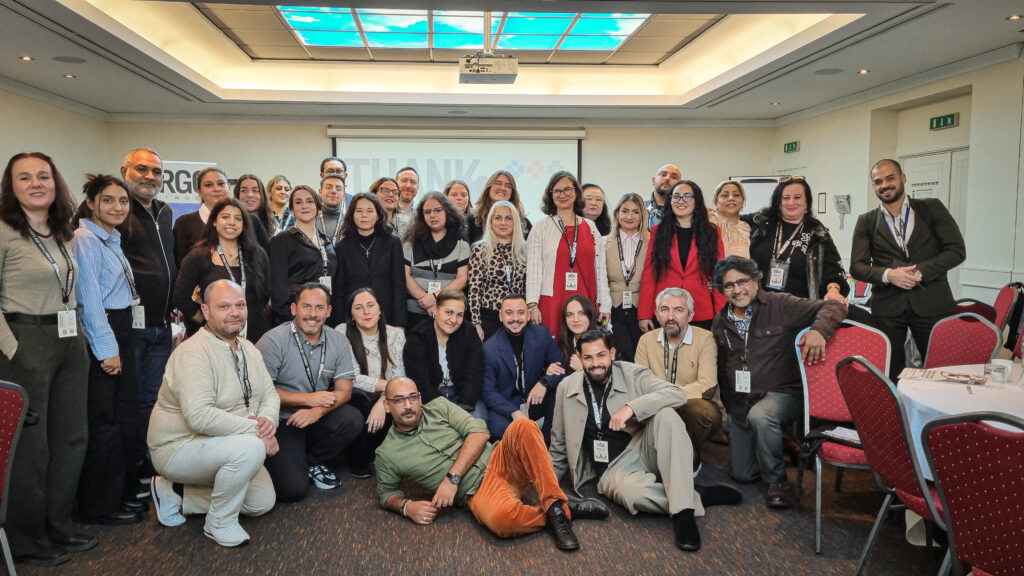
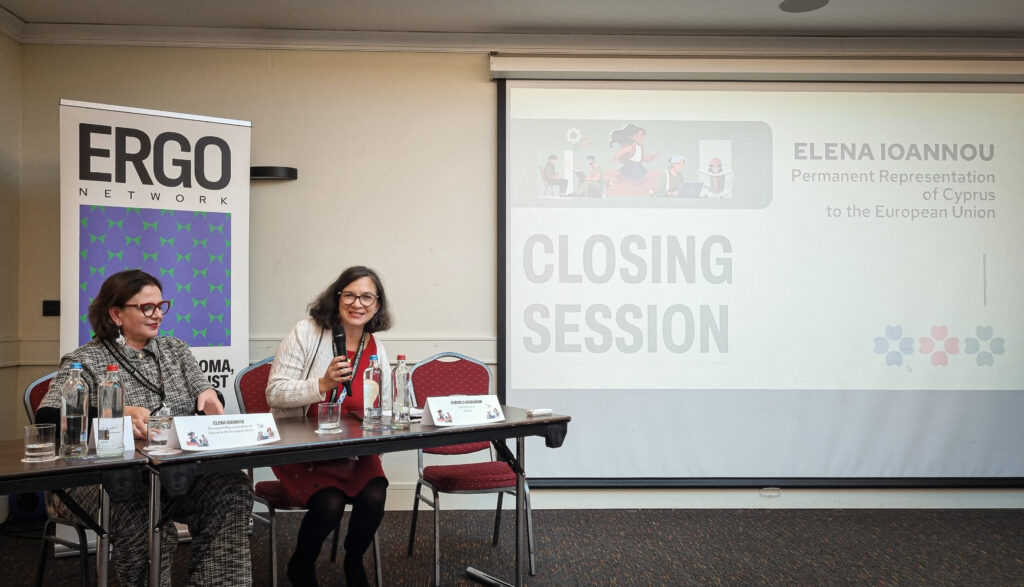
Closing remarks were provided by Elena Ioannou, Employment and Social Affairs Attaché with the Permanent Representation of the Republic of Cyprus to the European Union, while Hon Nela Riehl, Member of the European Parliament from Germany and part of Greens / EFA, provided a video message. The event was closed by Gabriela Hrabaňová, ERGO Network Director. The conference was very well attended, with over 50 participants on site and nearly 200 views online, and it brought together ERGO Network national members from the grassroots level in many European countries, as well as European civil society organisations, policy-makers from the EU and national levels, diplomatic representatives, education practitioners, and other stakeholders.

If you attended this event or watched the recording, don’t forget to let us know what you thought about it by filling in this brief Evaluation Form (project reference: 101194404; event title: ERGO Network Policy Conference).

See more:

– Agenda of the event

– Report on Roma access to quality and inclusive education

– Report on the Implementation of National Roma Strategic Frameworks

– Full recording of the conference: Part 1 (am) | Part 2 (pm)

– Photo album

– Conference Report (coming soon)

For more information about this event, please don’t hesitate to contact us: info@staging.ergonetwork.org

#ERGOConference2025

This conference is kindly supported by the European Union Programme for Citizens, Equality, Rights and Values (CERV)  and by the German Federal Foreign Office. 

CALL FOR APPLICATIONS:  EXTERNAL EVALUATION OF THE ROVA PROJECT

CALL FOR APPLICATIONS: EXTERNAL EVALUATION OF THE ROVA PROJECT

Deadline to apply:  15 November 2025 
Budget: Maximum €13,000 
Evaluation period: Flexible, finalised by December 2027 

The European Roma Grassroots Organisations (ERGO) Network is seeking an experienced external evaluator to conduct an evaluation of the ROVA project (2025–2027). The EU-funded project supports 120 Roma and pro-Roma civil society organisations and 15 national Roma coalitions across the EU through grants, capacity-building, and coalition building, with a total budget of €6.2 million. 

About the evaluation 

The evaluator will assess the project’s relevance, effectiveness, efficiency, impact, and sustainability, applying methods of empowerment evaluation and involving end beneficiaries. The process should include desk review, interviews, focus groups, and a final evaluation workshop with the project consortium. 

The evaluator will: 

  • Propose and implement an evaluation framework that they will implement in partnership with the project consortium 
  • Measure progress on both quantitative and qualitative indicators 
  • Assess the impact on third-party grantees, and where possible on their target groups 
  • Provide strategic recommendations for future grant-making 

Consultant profile:

  • Proven experience with programme evaluations, ideally with re-granting 
  • Strong understanding of Roma issues and EU policies 
  • Experience with civil society, advocacy, and capacity-building 
  • Excellent research, analytical, and communication skills 
  • Ability to work independently and collaboratively with diverse stakeholders 

How to apply:

  • Interested consultants or teams should submit: 
  • A proposal outlining methodology, timeline, and budget 
  • CV highlighting relevant experience 
  • References or a sample of previous evaluations 
  • Please send your application to rova_ergo@staging.ergonetwork.org by 15 November with the subject line: ROVA Evaluation Proposal. 

For more information:

`
General – ERGO Network

By continuing to use the site, you agree to the use of cookies. more information

The cookie settings on this website are set to "allow cookies" to give you the best browsing experience possible. If you continue to use this website without changing your cookie settings or you click "Accept" below then you are consenting to this.

Close