REVISE AND ADVOCATE  FOR IMPROVEMENTS TO THE NATIONAL ROMA INTEGRATION STRATEGY

REVISE AND ADVOCATE  FOR IMPROVEMENTS TO THE NATIONAL ROMA INTEGRATION STRATEGY

This is an article presenting the project prepared by RomanoNet, Czechia, given the subgrants under the ERGO sub-granting scheme 2024, funded by the EU

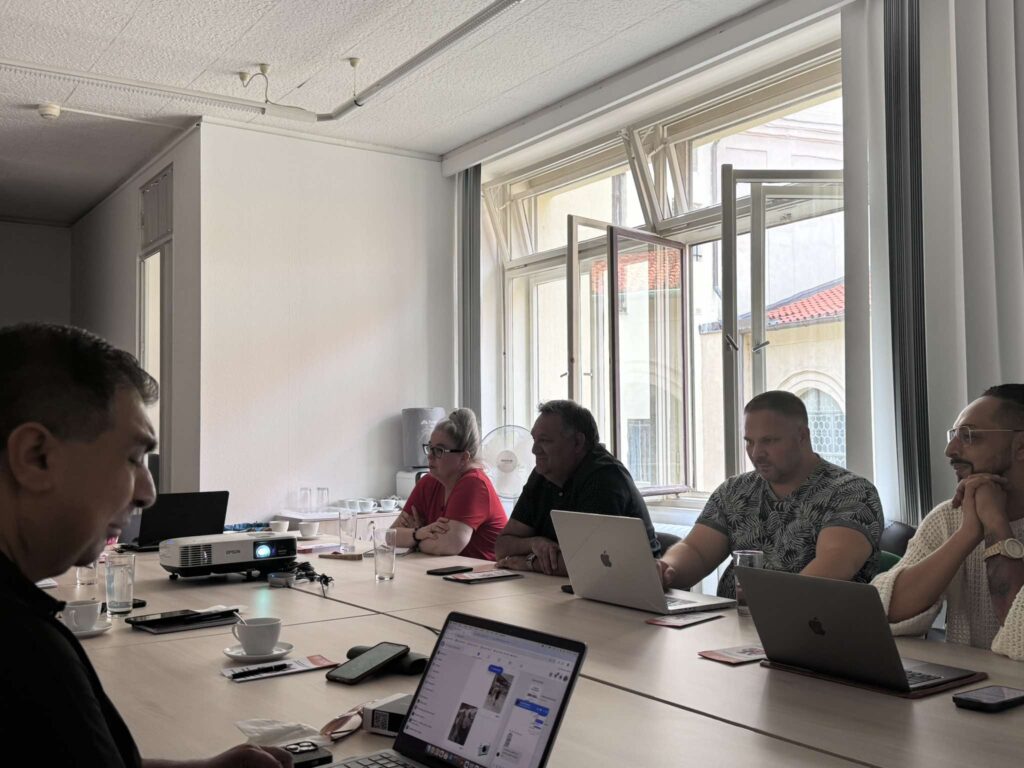
The “Revise and Advocate for Improvements to the National Roma Integration Strategy” (NRIS) project, coordinated by RomanoNet, was a successful initiative conducted through a comprehensive and inclusive approach. It involved structured monthly meetings, ad-hoc working groups, and stakeholder consultations aimed at gathering input and refining the NRIS, with a strong emphasis on Roma inclusion and combating antigypsyism. Key activities included the development of policy briefs, targeted consultations, and strategic events that actively engaged Roma communities, civil society organisations, and policymakers at all levels.  

The project focused on evidence-based revisions of the National Roma Integration Strategy (NRIS) through a series of dedicated round tables. These meetings tackled key areas of the strategy, including education, employment, housing, health, and the fight against antigypsyism. Each round table brought together a diverse group of stakeholders, ensuring that the revised strategy truly reflected the real needs and priorities of Roma communities. The report was written together with a government office.

The culmination of these efforts was the celebration of Roma Day on 17 December 2024, organised in partnership with the Office of the Roma Commissioner. This event provided a platform to present the updated strategy components and officially launch the Charter Against Antigypsyism, reinforcing a collective commitment to combating discrimination and advancing Roma inclusion.
Significant Accomplishments

One of the significant accomplishments of the project was the comprehensive revision of all major chapters of the National Roma Integration Strategy (NRIS). The project had a strong advocacy impact, as recommendations were presented to policymakers to strengthen the NRIS. A key focus was on tackling antigypsyism and enhancing Roma inclusion, ensuring that these critical issues were recognised and addressed at a strategic level. 

Stakeholder engagement played a crucial role in the project’s success. By facilitating active participation from a diverse range of stakeholders, the initiative encouraged cross-sector collaboration, bringing together policymakers, civil society organisations, and Roma representatives.

A major milestone was the celebration of Roma Day, during which the Charter Against Antigypsyism was launched. The project prioritised capacity building within the Roma civil society. A series of workshops, consultations, and policy discussions were organised, equipping Roma organisations and activists with the knowledge and tools needed to advocate. RomanoNet ensured that advocacy efforts will continue, promoting policy changes based on the revised NRIS and Roma Day initiatives. By building on these achievements, RomanoNet aims to drive lasting change and strengthen Roma inclusion in Czechia.

For more information in Czech, click the buttons below.

If you have any further questions about this application, drop us an email at info@staging.ergonetwork.org.

Culture in the Slums

Culture in the Slums

This is an article presenting the project prepared by Nevo Parudimos, Romania, given the subgrants under the ERGO sub-granting scheme 2024, funded by the EU

Roma communities continue to face persistent challenges of social exclusion, discrimination, and limited access to primary services. In Reșița and its surrounding areas, these struggles remain visible in daily life, from barriers to employment and education to inadequate housing and systemic neglect. In response, Nevo Parudimos conducted a series of advocacy and community engagement activities to address these pressing issues. The initiative included three community meetings, consultations with local authorities, and cultural events promoting intercultural understanding.


Strengthening Communities 

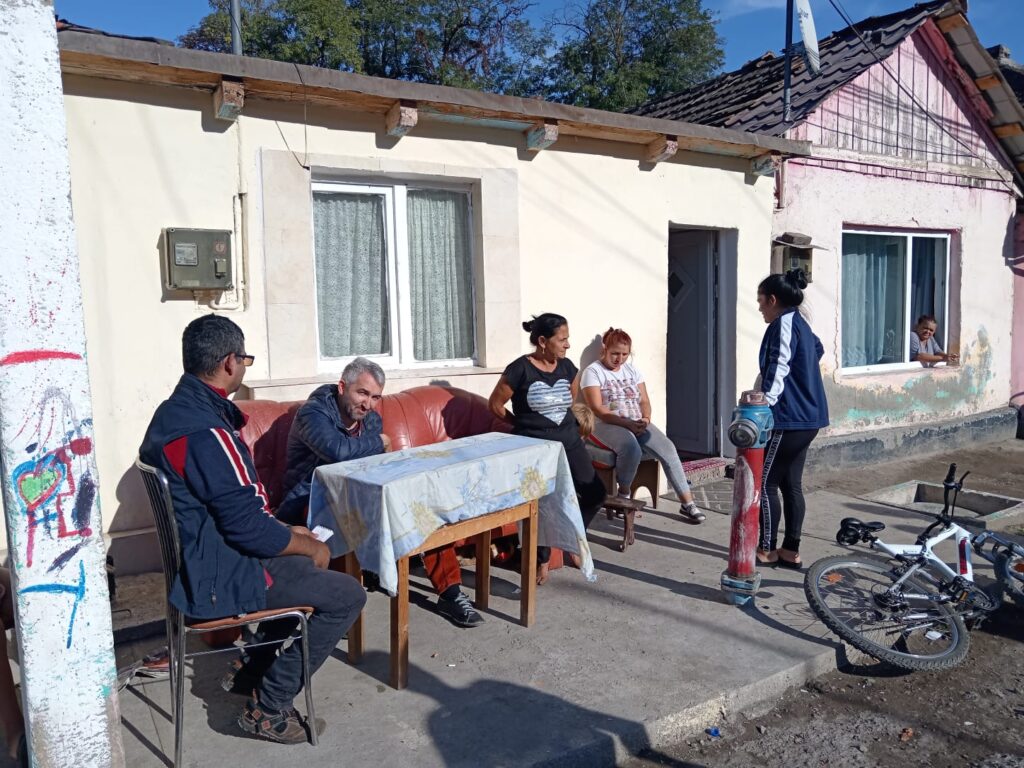
In May, community meetings were organised in Muncitoresc, Dealu Mare, and Calnic, providing a space for Roma residents to discuss their concerns. The community has been facing several challenges, including a lack of access to water, and despite promises from the municipality, there are still no housing documents. Young people are struggling to find work, and although NGOs and the municipality have collected information from residents and promised projects, nothing has moved forward. 

The children are not able to attend school due to its distance, and the school mediator has shown no interest as he/she is not visiting children in the communities. These conditions will possibly improve once the nearby school, currently under renovation, is completed. On top of it, the family doctor sometimes refuses treatment because people don’t have legal insurance, and when the spring floods threatened the area, the municipality didn’t take any action.

To address these issues, Nevo Parudimos arranged a meeting with the water company to sort out the water supply and planned a meeting with the municipality to address the problems their community is facing. They aim to ensure these issues are included in the local Roma action plan. Furthermore, they intend to make everyone informed about any job opportunities and to make sure that mediators are present in the lives of children in their communities. 

Municipality Meeting –  Building a Better Community Together

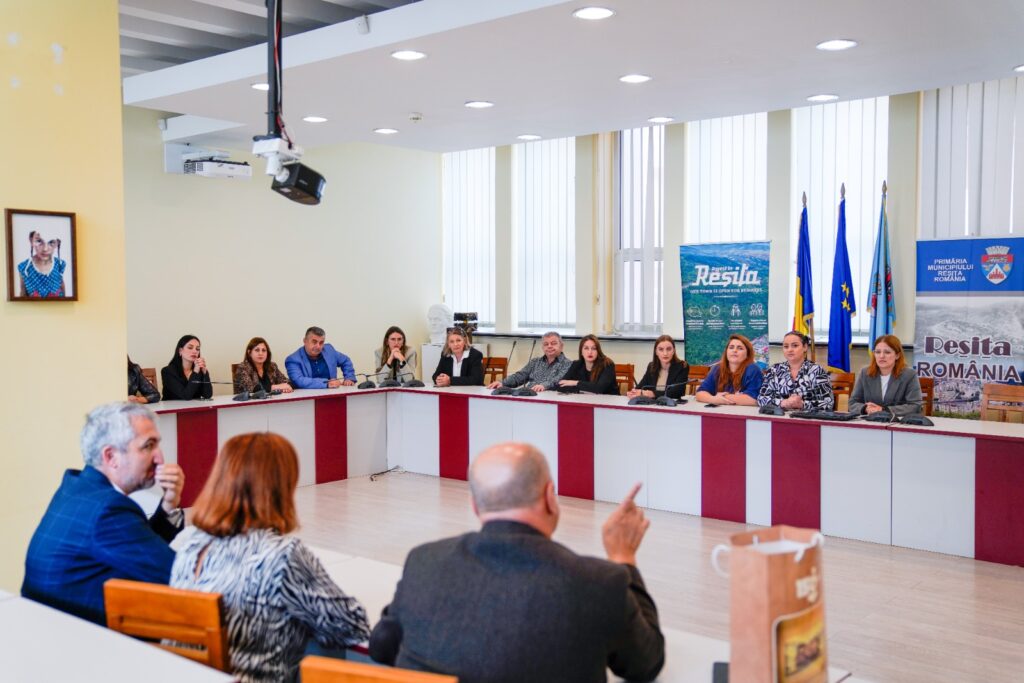
During their visit to the municipality, Nevo Parudimos reviewed the local action plan for Roma in Reșița alongside community representatives, civil society, and public institutions, as well as the mayor and deputy mayor. Updates on various projects were provided by the Local Action Group (LAG). All projects were completed by the end of 2024, except for social housing initiatives, which are expected to be finalised in 2025.

Representatives from civil society organisations, including Pro Vitam, Nevo Parudimos, and Humanitas Pro Deo, called on the municipality to pressure the water and public transport companies to ensure all citizens have reliable access to water and essential services.

Culture in the Slums

The municipality and community meetings, along with the Ethnicities Festival, represent the main efforts to improve the lives of Roma communities in Reșița. While meetings focused on concrete policy discussions, the festival used culture as a powerful tool for advocacy and change. By engaging with local authorities, civil society, and public institutions, Nevo Parudimos and its partners worked to ensure that Roma voices were heard in decision-making processes. 

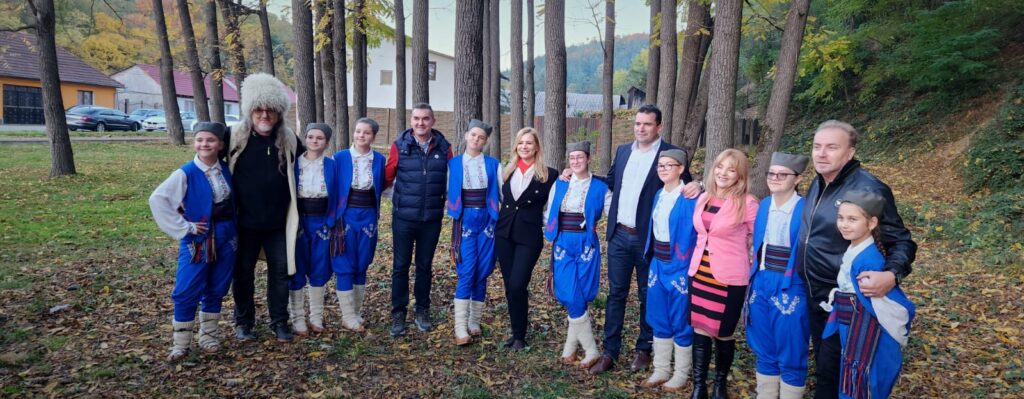
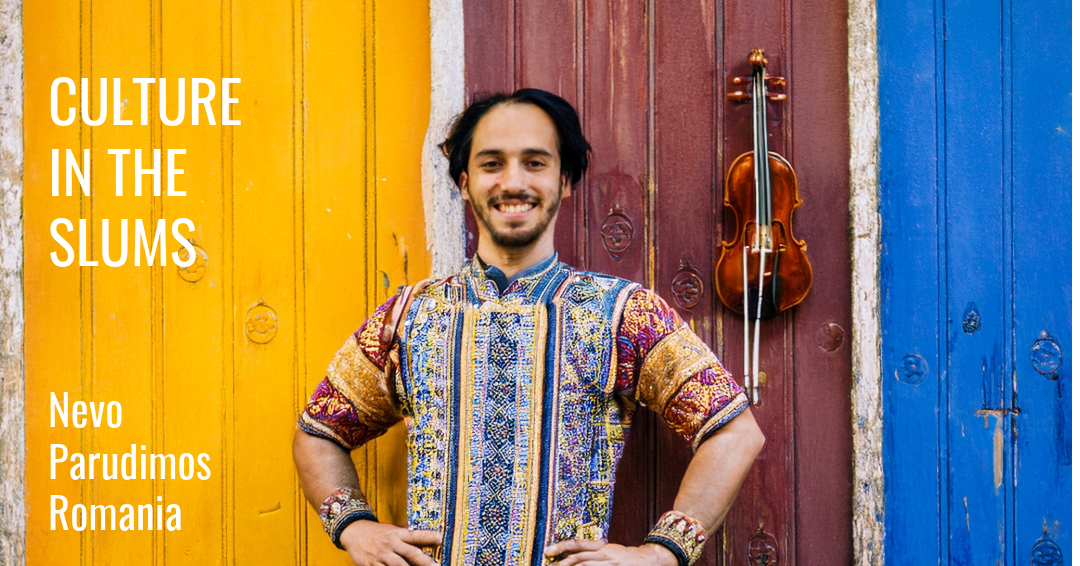
The festival provided a platform to celebrate Roma identity, challenge stereotypes, and foster a sense of unity. The Ethnicities Festival was held last year under the theme “Culture in the Slum,” in Banat.

Hosted in the Măgura neighbourhood of Bocșa and along Calea Caransebeșului în Reșița, the festival was organised by the Nevo Parudimos Association, in collaboration with the Caraș-Severin County Centre for the Preservation and Promotion of Traditional Culture, the city halls of Reșița and Bocșa, and the Caraș-Severin County Council.

The event was dedicated to Roma culture, showcasing a vibrant set of folklore representing the diverse ethnic groups that are living in the Banat region. Part of the “Culture in the Slum” project, the festival was funded by the European Commission through the ERGO Network to highlight the real issues faced by Roma communities in Reșița, bringing them to the attention of local authorities. Its goal was also to shift the general perception of the Roma community, using culture to showcase the unique aspects of the Roma minority.

If you have any further questions about this application, drop us an email at info@staging.ergonetwork.org.

Breaking the Cycle: Roma Families Trapped in Multidimensional Poverty

Breaking the Cycle: Roma Families Trapped in Multidimensional Poverty

This is an article presenting the research prepared by Integro Association, Bulgaria,  given the subgrants under the ERGO sub-granting scheme 2024, funded by the EU

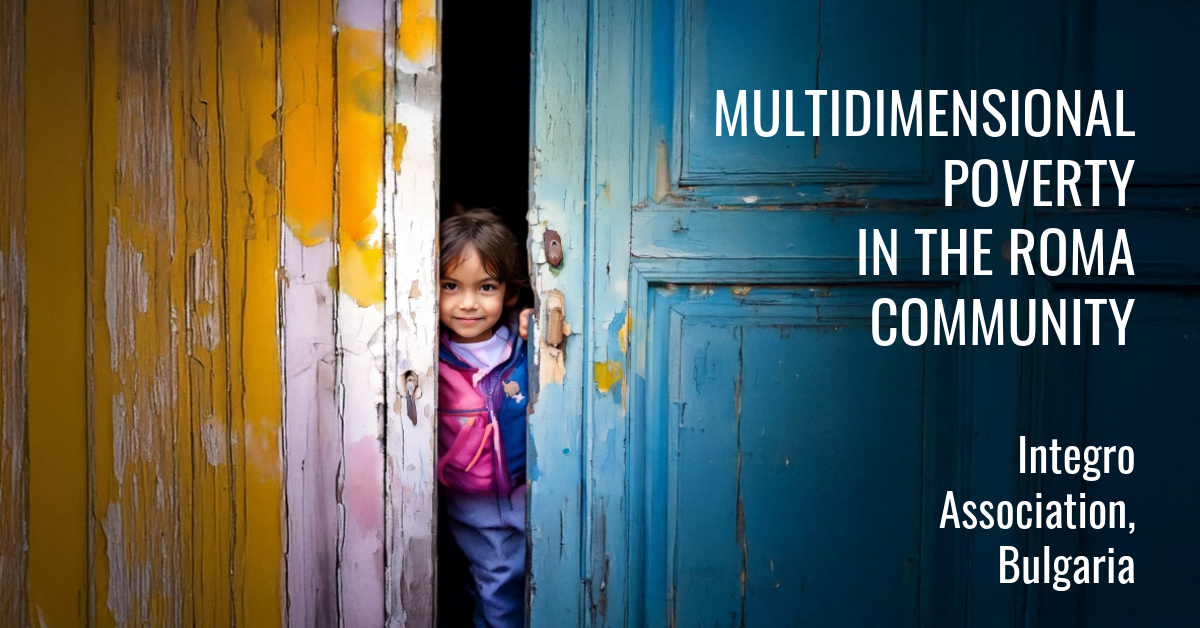
For many Roma families in Bulgaria, poverty is not just about the lack of income—it is a web of deprivation that extends into education, healthcare, housing, and employment. A new research report by Liliya Makaveeva, an ERGO Network member in Bulgaria Integro Association, based on case studies from ten municipalities, reveals the stark reality of multidimensional poverty among Roma communities and calls for urgent, integrated policy solutions.

The study, conducted between March and July 2024, combines in-depth interviews with Roma families, local mediators, and municipal representatives with statistical data from the Statistics on Income and Living Conditions (SILC) 2023. The findings paint a grim picture: 65% of Roma in Bulgaria live below the poverty line, compared to 14.3% of ethnic Bulgarians. However, income alone does not explain the depth of hardship Roma communities face.

This project was implemented using a grant from ERGO Network’s financial support to third parties through its Annual Work Programme ‘Roma Equality, Inclusion and Participation 2025’, funded by the Citizens, Equality, Rights and Values Programme (CERV) of the European Commission.

More Than Just Money: The Poverty Trap

The research highlights that poverty among Roma is multidimensional—it encompasses poor housing conditions, exclusion from social services, lack of access to quality healthcare, and systemic discrimination in education and employment. While many families rely on social benefits, the support is minimal and often comes with strict conditions that fail to reflect the reality of their struggles.

For example, children from low-income Roma families are regularly sanctioned with reduced social assistance when they miss school, even if absences are due to extreme poverty—such as lacking shoes or winter coats. A 36-year-old mother from Novi Pazar explains: “My daughter missed school because she had no coat. When I finally got a loan to buy one, it was too late—they had already cut our benefits.” Instead of helping families escape poverty, punitive measures further entrench their exclusion.

Housing Without Security, Healthcare Without Access

The lack of legal housing status exacerbates the crisis. Many Roma settlements exist outside regulated urban areas, meaning residents have no formal ownership and cannot access basic utilities such as running water or waste collection. The consequences are dire: entire neighbourhoods rely on makeshift water sources, and open sewage drains pose severe health risks.

Healthcare access is another major challenge. Many Roma lack health insurance due to irregular employment or the inability to pay past contributions, leaving them unable to see a doctor. Even those with insurance face discrimination in medical facilities. The study documents cases where hospitals refuse to acknowledge severe disabilities, preventing individuals from accessing state support. One man with a colostomy was repeatedly denied disability certification, trapping him in a cycle of poverty and medical neglect.

Employment Barriers and Generational Poverty

Employment services are failing Roma communities. The report finds that while many Roma are registered with Employment Offices, they rarely receive job offers, training opportunities, or meaningful career support. Many Roma rely on precarious, informal jobs with no contracts or security.

Even when work is available, discrimination remains a significant barrier. Employers frequently reject Roma applicants or impose unnecessary education requirements for low-skilled jobs. Women, particularly mothers, face additional barriers due to the lack of childcare options and rigid work schedules.

Urgent Call for Change

The report concludes that Bulgaria’s current social policies are not only failing to alleviate Roma poverty—they are actively reinforcing it. The study’s authors call for a radical shift:

  • Tailored, long-term support instead of punitive sanctions
  • Legalising and improving housing conditions in Roma settlements
  • Ensuring universal healthcare access, regardless of insurance status
  • Combating labour market discrimination and providing real employment pathways
  • Creating integrated social services that address the multiple dimensions of poverty

Poverty in Roma communities is not a personal failure—it is a systemic issue. Without immediate policy changes, the cycle of deprivation will continue for generations. As the report clarifies, breaking this cycle requires more than financial aid; it demands a fundamental shift in how Bulgaria approaches social justice and equality for all its citizens.

If you have any further questions about this application, drop us an email at info@staging.ergonetwork.org.
Mother-Tongue Education Should Empower Roma Children—Not Segregate Them

Mother-Tongue Education Should Empower Roma Children—Not Segregate Them

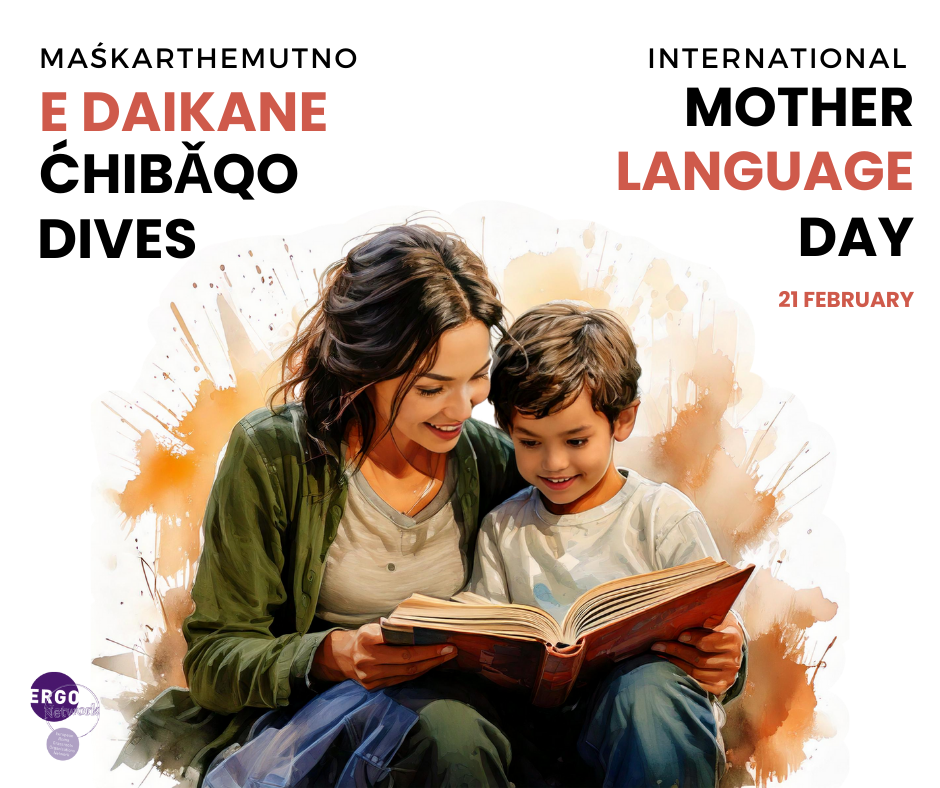
International Mother Language Day is a celebration of linguistic diversity and the right to education in one’s native tongue. For many minority communities, learning in their mother language is not just about education—it is about identity, self-esteem, and cultural survival. This is especially true for Roma children, whose language and culture have long been marginalised across Europe.

“We have seen times and times again how mother-tongue education can strengthen cultural identity and increase self-confidence. When children are taught in a language they understand, they are more likely to engage with lessons, perform better in school, and stay in education longer. Not to mention that the Roma, who faced centuries of discrimination, deserve a right to a structured and well-supported system of Romani language education.” – says Gabriela Hrabanova, director of the ERGO Network.

Slovakia’s recent move to establish a Roma minority school in the municipality of Rakúsy appears, at first glance, to be a step in this direction. The Slovak government argues that Roma children deserve education in their language, just like other minority groups, such as the Hungarian community. They also point to international commitments, such as the European Charter for Regional or Minority Languages, which encourages the inclusion of minority languages in education.

But there is a crucial difference between meaningful mother-tongue education and policies that, intentionally or not, reinforce segregation. Unlike the Hungarian minority, whose schools are well-resourced and integrated into the national education system, Roma children in Slovakia already face systemic barriers to quality education. Many are placed in separate or lower-quality schools, often justified by claims about their linguistic or cultural needs. The concern is that the establishment of Roma minority schools could institutionalise this segregation under the guise of cultural preservation.

The problem is not mother-tongue education itself but how it is implemented. International human rights standards make clear that minority education must be voluntary, equal in quality to mainstream education, and provide the choice of integration. However, in Rakúsy, Roma representatives were not formally consulted before the school was established. Roma rights organisations fear that rather than empowering Roma children, this initiative could limit their access to mainstream education and future opportunities.

More concerning are Slovakia’s plans to amend legislation on minority schools. If any school incorporating minority language instruction is reclassified as an “ethnic school,” it could legitimise existing segregated schools rather than address the root causes of educational inequality. Instead of truly supporting Roma children, these policies risk deepening exclusion.

“We are not disputing the right to education in one’s mother tongue, but we are disputing how this right is implemented in Slovakia. First and foremost, the initiative should come from the representatives of the Roma minority and not from the position of the Slovak Ministry of Education. There is reason to be concerned that the recent change in legislation on minority schools in Slovakia may lead to the covering up of segregation behind minority schools”, says Zuzana Havirova, director of Roma Advocacy and Research Centre, Slovakia.

At its core, this issue is not just about language or education—it is about antigypsyism. The long history of discrimination against Roma, not only in Slovakia but all across Europe, means that even well-intentioned policies can be manipulated to maintain systemic exclusion. What should be a tool for empowerment—education in one’s mother tongue—can become a means of segregation if not implemented with genuine inclusion in mind.

Antigypsyism turns the meaningful act of mother tongue education into yet another instrument to further persecute and discriminate Roma and perpetuate the vicious circle of lack of education, poverty and exclusion. Minority language education should not come at the cost of quality of education and inclusion.

The aim is not to reject mother-tongue education but to implement it in a way that strengthens Roma children’s identity while ensuring they receive the same quality of education as their non-Roma peers. The governments must engage meaningfully with Roma communities, ensure minority language education does not come at the cost of integration, and address the deeper structural discrimination that continues to hold Roma children back.

Mother-tongue education should be a right that uplifts, not a policy that excludes. Ensuring that Roma children have access to both their language and equal opportunities in education is the real test of Europe’s commitment to minority rights.

Equality betrayed: Commission unilaterally gives up on anti-discrimination law

Equality betrayed: Commission unilaterally gives up on anti-discrimination law

European Civil Society condemns the European Commission’s announcement to withdraw the proposed Directive on anti-discrimination as a betrayal of fundamental rights at a critical moment for democracy and equality in the EU.

On 12 February, the Commission publicly announced its intention to withdraw the proposal for the Equal Treatment Directive. This legislative measure aims to close legal gaps in EU anti-discrimination law. The EU Charter of Fundamental Rights and EU Treaties prohibit discrimination based on gender, racial or ethnic origin, religion or belief, disability, age, and sexual orientation. However, existing EU anti-discrimination legislation results in a hierarchy of protection where some forms of discrimination are more comprehensively addressed than others. The Equal Treatment Directive sought to harmonise these protections, ensuring a horizontal approach to equality.

This week’s decision severely undermines the EU’s commitment to building a Union of Equality at a time when marginalised communities require greater protection than ever. The withdrawal of the proposed Directive leaves a glaring gap in EU law, failing to protect young people, older persons, LGBTIQ+ persons, persons with disabilities or those facing discrimination based on religion or belief when accessing goods and services, housing, healthcare, social protection or education. It also does not sufficiently protect individuals who experience discrimination on the basis of race or ethnic origin and sex/gender in combination with these grounds.

The Commission’s intention to withdraw it, without consulting with civil society and without presenting any alternative plan on how to better ensure comprehensive protection against discrimination outside the labour market in the EU, sends the wrong political message.

Furthermore, this withdrawal goes against EU’s fundamental values enshrined in its treaties and disregards the support of the European Parliament, civil society, Equality Bodies and international organisations.  It is also at odds with the European Commission’s repeated commitment to building a “Union of Equality” and undermines the Polish Presidency’s priorities.

Scrapping this directive without introducing a stronger and more comprehensive alternative at such a critical time when discrimination and rights violations are on the rise undermines the EU’s credibility as a global leader in human rights. It sends a clear message that those living in the EU will not be shielded from the worldwide backlash against equality, democracy and fundamental rights. It is not enough for the Commission to reverse its course. Member States must also step up and finally agree on an ambitious law that fights discrimination. 

It is especially concerning that while the far-right is on the rise everywhere in Europe, the Commission chooses to sacrifice the human rights of citizens in what appears as a dangerous political gamble. In times of hatred and fear-mongering, we need more human rights protection, not less.

For this reason, we urge the European Commission to:

  • Reconsider its intention to withdraw the Equal Treatment Directive;
  • If the withdrawal proceeds, immediately propose a more robust and comprehensive legislative proposal that takes an intersectional approach, along with a clear timeline;
  • Immediately engage in meaningful consultation with the European Parliament, civil society, Equality Bodies and EU citizens to determine the necessary action to achieve true equality;
  • Make an unequivocal commitment to making the Union of Equality a reality for all of us.

We also call on:

  • The Polish Presidency to hold an urgent and public Council meeting for the Commission to explain this decision
  • The European Parliament to hold a public hearing with the European Commission on the decision and future steps to ensure protection against discrimination for all people living in the EU

Signatories:

  • Eurocentralasian Lesbian* Community (EL*C)
  • European Roma Grassroots Organisations Network (ERGO Network)
  • Organisation Intersex International Europe e.V. (OII Europe)
  • The International LGBTQI Youth & Student Organisation (IGLYO)
  • European Network against Racism (ENAR)
  • ILGA-Europe
  • European Disability Forum (EDF)
  • AGE Platform Europe (AGE)
  • Trans Europe and Central Asia (TGEU)
`
General – Page 8 – ERGO Network

By continuing to use the site, you agree to the use of cookies. more information

The cookie settings on this website are set to "allow cookies" to give you the best browsing experience possible. If you continue to use this website without changing your cookie settings or you click "Accept" below then you are consenting to this.

Close