Roma Week 2025: Progress on Roma rights can not be left to chance

Roma Week 2025: Progress on Roma rights can not be left to chance

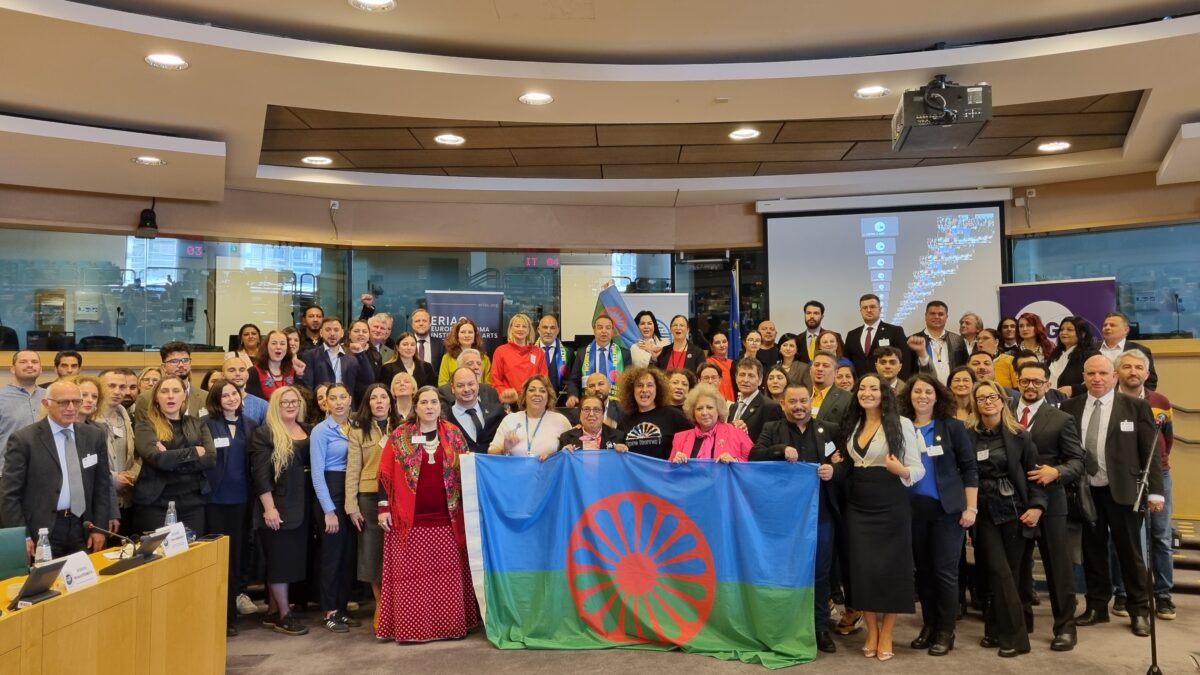
From 7–10 April 2025, Roma Week returned to Brussels with a clear focus: to push for real change in the lives of Roma people across Europe. Organised by ERGO Network together with Members of the European Parliament, civil society, and other key partners, this year’s edition brought together Roma leaders, experts, EU officials, and activists to speak up about what needs to happen next—especially when it comes to fighting antigypsyism, tackling inequality, and making sure Roma voices are heard where decisions are made.

Held to coincide with International Roma Day, the week’s events aimed to remind EU leaders that commitments alone aren’t enough. It’s time to invest in inclusion, confront antigypsyism, and create real space for Roma people in policymaking, especially women and youth. With sessions hosted inside the European Parliament and across Brussels, participants looked at everything from digital inclusion and Roma history in schools to intersectional discrimination and the need for justice.

What happened during Roma Week 2025?

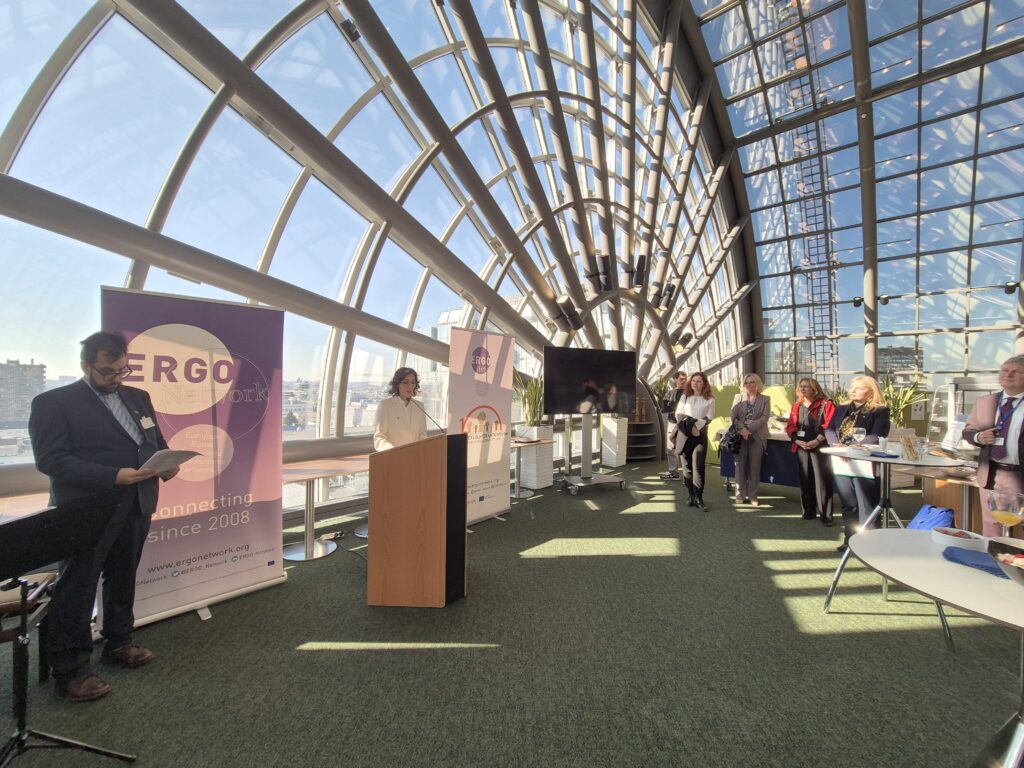
This year’s Roma Week covered various pressing issues—from inclusion in education and employment to the rise of antigypsyism across Europe. The week opened with a reception with Commissioner for Equality, Preparedness and Crisis Management Hadja Lahbib, and was hosted by the MEP Krzysztof Smiszek.
At the heart of many discussions was one key message: fighting antigypsyism isn’t just about tackling hate—it’s about securing equal access to housing, jobs, education, and public services. In a panel hosted by the European Commission, experts emphasised the need to build stronger safeguards into EU funding, especially with new legislative frameworks like the Racial Equality Directive under review.

According to Bjørn Berge, Deputy Secretary General of the Council of Europe, “We, the non-Roma people, have to stop and fight discrimination, prejudice against Roma. We also need to support the Roma politically so that they have a voice in political parties, processes, and parliaments. To be the decision-makers.”
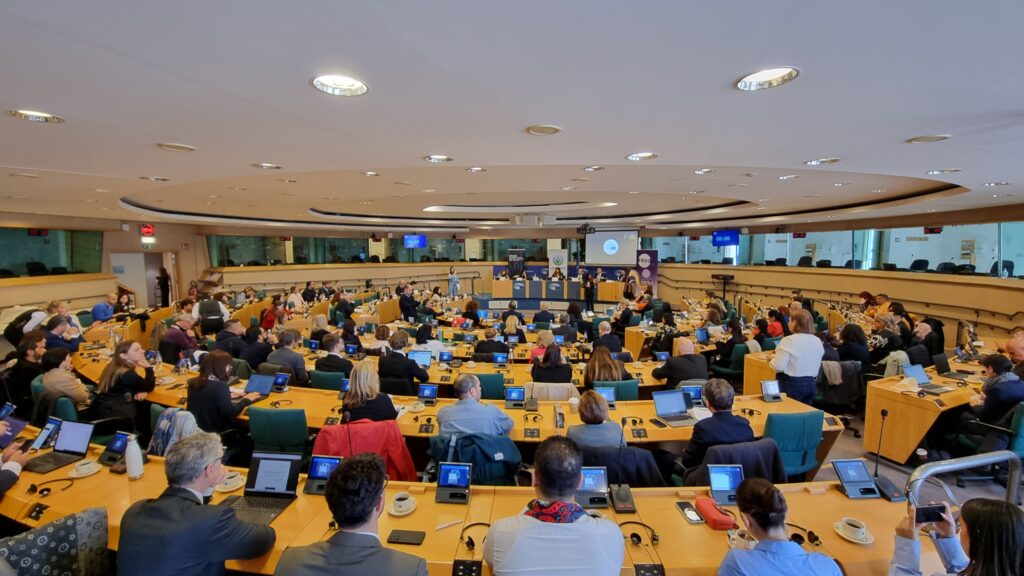
The high-level event on Roma history and culture in school curricula, part of the Jekhipe Project,  was hosted by Nicolae Ștefănuță, Vice-President, European Parliament and brought together the speakers from the European Commission, Council of Europe, national Ministries and international Roma and pro-Roma organisations. The event promoted the sustainable inclusion of Roma heritage in national education systems by examining lessons learned, showcasing best practices, and discussing policy commitments. The Roma leaders called out the lack of trust in public institutions, pointing to how structural discrimination is still allowed to persist across many Member States.

The Roma Civil Monitoring event highlighted how the findings of the national reports reveal a troubling picture: antigypsyism remains widespread, and national Roma inclusion strategies are failing to deliver. Civil society warned that these strategies risk becoming little more than paper promises without proper oversight and funding tied to anti-discrimination measures.

Roma youth organisations also urged EU leaders to include more young Roma in political decision-making. Mihai Oancea, President of ternYpe, emphasised the potential Roma youth hold. “Roma youth are not just survivors of online hate speech. We are creators, innovators, and leaders. We have the capacity to shape the digital world, just as we have done in every other space we have entered.”

However, this new step is not easy to take without considering and correcting past injustices. The event on achieving transitional justice for Roma brought experts and MEPs together to explore ways to move forward while acknowledging the past.
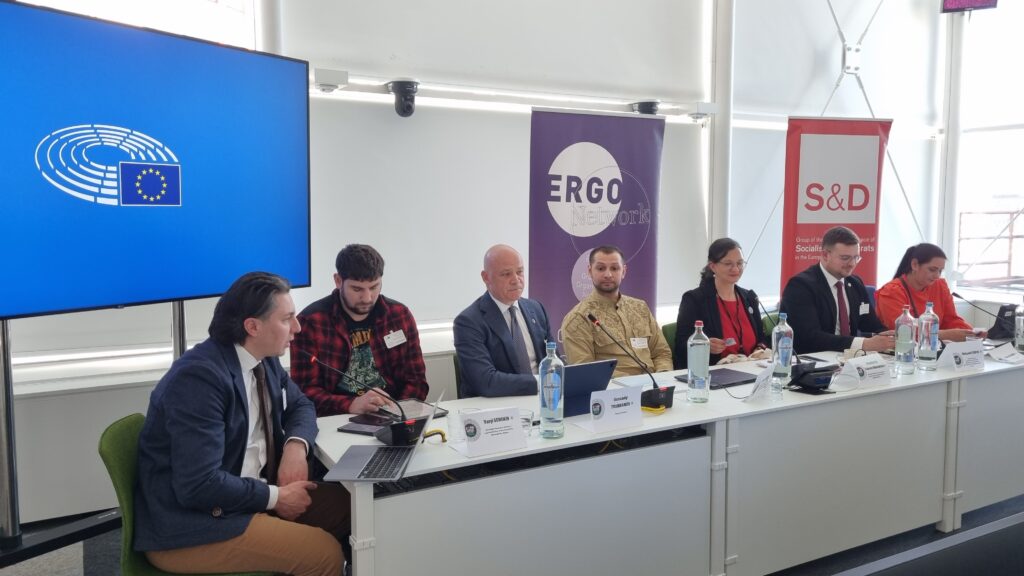
A powerful event also brought together EU institutions and representatives of Ukrainian Roma and non-Roma authorities. Starting with messages from our member organisation in Ukraine, Chiricli, and other civil society and activist voices, the event continued with giving the floor to the Mayor of Odesa and finally with a touching personal account of a Roma soldier fighting for the safety of Ukraine.

Another vulnerable moment was the film screening, organised by our member from Poland Fundacja Jaw Dikh, London Metropolitan University and ERGO Network. The film THAT BOY: A Conversation About Hate and Healing documented a conversation between two Polish migrants now living in the UK. Toby, a Polish Roma, fled to Britain in the 1990s as an asylum seeker escaping anti-Roma violence from neo-Nazi skinheads. Mirek, a former neo-Nazi, moved to the UK after the EU enlargement and has since undergone a radical transformation, now sharing testimonies about his past as a born-again Christian.

The story of Toby and Mirek offered a powerful lesson on the long-lasting effects of hate and the potential for transformation, reconciliation, and justice. It was followed by a discussion essential for understanding how Europe’s past informs its present and future challenges in combating far-right extremism and antigypsyism.

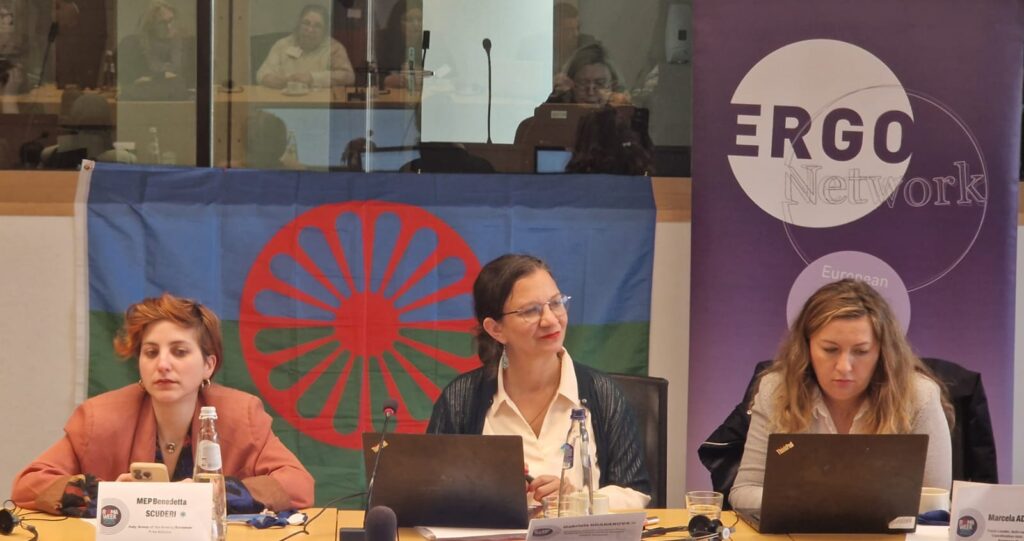
The following day gave more space to discuss Intersectional Discrimination and Racism Against Racialised Minorities and Roma women’s voices, focusing on political participation and empowerment. Activists, national government, European institution representatives, and MEPs debated how to increase understanding of racialised minorities and women’s experience in politics and analysed the factors that have already enabled some to overcome barriers and enter politics.
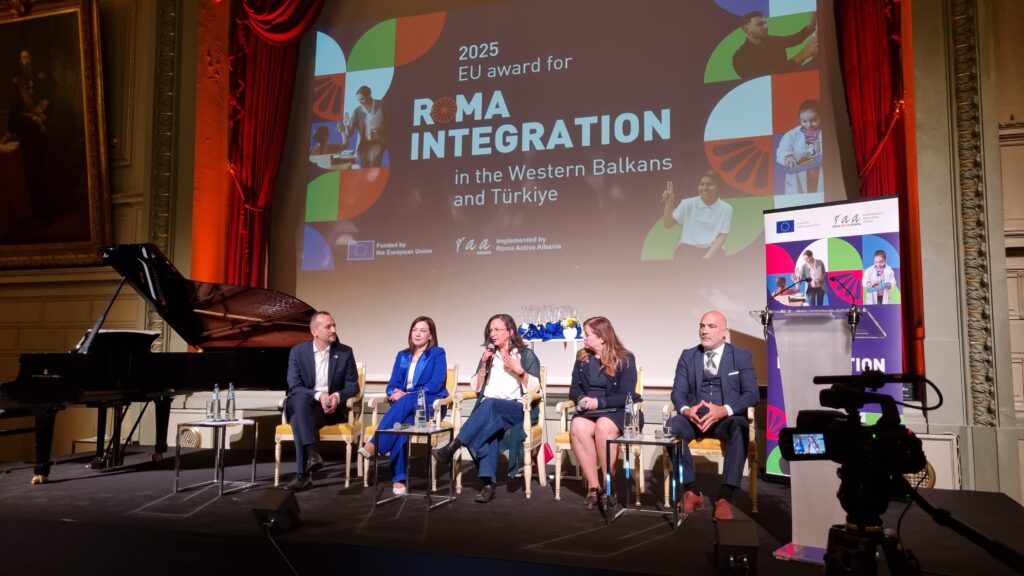
Roma Week 2025 finished on a festive note with the EU Award for Roma Integration in the Western Balkans and Türkiye, organised by the European Union and our member Roma Active Albania. The award highlighted the incredible work and dedication of people and organisations that are active changemakers, and you can learn more about it here. 

Throughout the week, civil society demanded stronger participation in EU-level structures, including monitoring and implementing the EU Roma Strategic Framework. Speakers stressed that Roma people must be at the centre of decisions that affect their lives—not just consulted after the fact.

The message we send with the Roma Week 2025 is this: progress on Roma rights can not be left to chance. Across the sessions, Roma voices called for urgent political will, stronger safeguards in the EU’s funding and legislation, and fair representation in all spheres of life. The gap between promises and reality is still wide, but the knowledge, solutions, and voices to close it are already here.

Now, it’s up to policymakers to follow through—not just with words, but with actions.
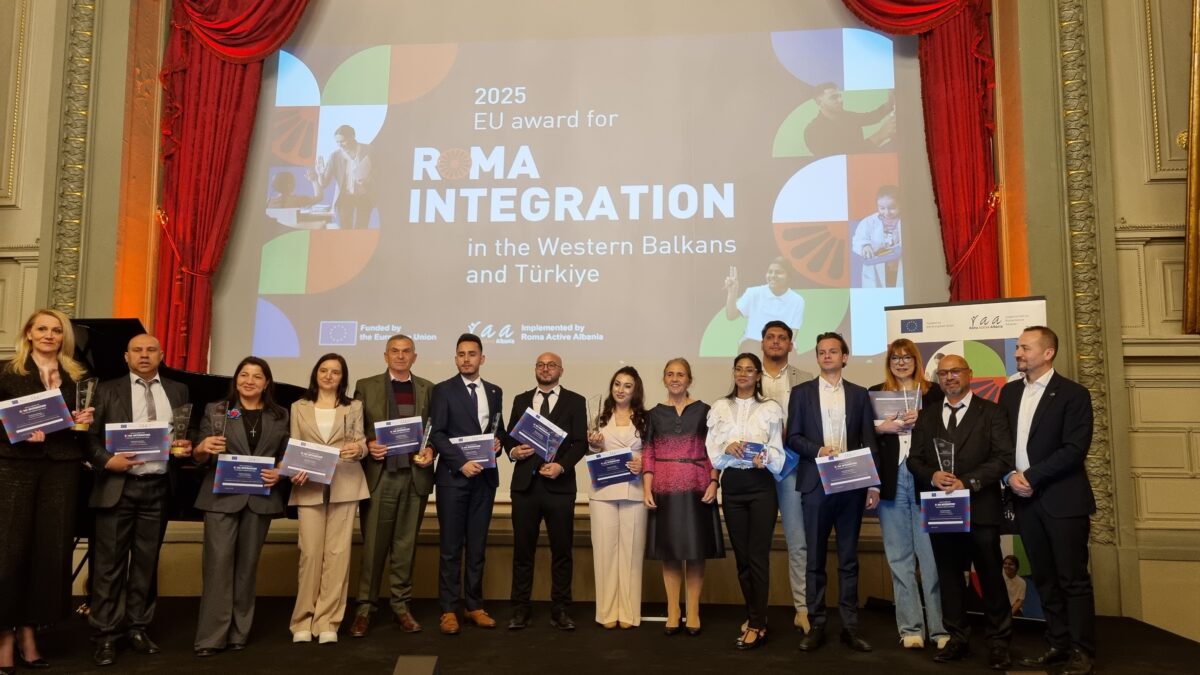
2025 EU award for ROMA INTEGRATION in the Western Balkans and Türkiye

2025 EU award for ROMA INTEGRATION in the Western Balkans and Türkiye

The 2025 EU Award for Roma Integration in the Western Balkans and Türkiye celebrated its sixth edition this year, showcasing people and organisations who are making a real difference in the lives of Roma communities. This year’s focus was on education, a powerful tool. But it is not just about attending school, it’s about having the chance to grow, socialise and take part fully in society. Yet, for many young Roma, education is where exclusion begins. 

Organised by the European Union and Roma Active Albania, the awards took place 10th of April during the Roma Week 2025. The awards highlighted the incredible work and dedication of people and organisations who are active changemakers. The message from this year’s winners was strong and clear: anyone, from any background, can create real and lasting change. 

The 6th edition of the 2025 Awards recognised 15 winners, selected from over 100 applications and nominations across the Western Balkans and Türkiye.

Winners:

Albania

Roma Women Rights Centre (first prize) was recognised for its powerful role in fighting school segregation. The centre supports Roma children in mainstream education and empowers over 600 adults, particularly women, through learning and vocational training.

Latif Kazanxhiu (second prize) was honoured for his lifelong dedication to Roma education. He opened a Romani-language school in his home and advanced digital and educational skills for youth today. It helps bridge generational gaps in learning and opportunity.

Bosnia and Herzegovina

Romska djevojka – Romani Ćej (first prize) was recognised for its grassroots efforts to boost school attendance and reduce dropout rates among Roma girls in Prnjavor. The program focused on mentorship, community trust-building, and creative learning to empower the next generation.

Mujo Fafulić (second prize) has dedicated over 20 years to improving education access for Roma children in Kakanj, increasing enrollment from 54 to 146 students. Through preschool preparation and family outreach, he has supported hundreds of children and parents while continuing to advocate for systemic education improvements as a local councillor

Kosovo

Roma Versitas Kosovo (first prize) has empowered Roma, Ashkali, and Egyptian youth through mentoring, scholarships, and training. They continue to expand their impact with initiatives like Win4VET and support for early childhood education.


Orhan Butic (second prize) has supported early education for Roma, Ashkali, and Egyptian children in Kosovo, focusing on reintegration, learning, and bridging gaps between families and schools. His plans are to expand support for Roma girls and strengthen institutional collaboration. 


Balkan Sunflowers Kosova (second prize) supports over 600 Roma, Ashkali, and Egyptian children daily through community-based education, and in 2024, helped boost preschool and high school transitions, with plans to expand digital literacy and institutional collaboration.

Montenegro

Ministry of Education, Science and Innovation (first prize) is advancing inclusive education for Roma and Egyptian communities through early learning, scholarships, mobile kindergartens, and Roma mediators, with plans to expand digital access and school support.

Sebastijan Baftijari (second prize) empowers Roma and Egyptian youth through peer mentoring, school clubs, and his NGO RE Green, blending education with environmental and digital literacy to foster youth-led community change.

North Macedonia

Doan Sulejmanoski (first prize), a principal and advocate, empowers Roma youth through mentorship, civic education, and leadership training. He aims to connect students with opportunities in law, media, and public life.

Senada Sali (second prize), a Roma lawyer, leads the fight against school segregation in North Macedonia. She uses community advocacy and training efforts to ensure inclusive, dignified education for Roma children.

Serbia

Centre for Youth Integration (first prize) supports Roma children in street situations with education and job skills. They are reducing dropout rates and planning to expand through mobile outreach and stronger institutional ties.

Music Art Project (second prize) uses music to unite Roma and non-Roma children, building confidence and inclusion through performance, while expanding its diversity-focused curriculum and reach across Serbia.

Turkey

Şişli Municipality (first prize) supports Roma inclusion through education and community services. They offer tutoring, workshops, and vocational training, with plans to expand early learning and study centres.

Tugay Aslım (second prize), a Roma educator and researcher. He supports Roma children through mentorship and sports, He plans to establish a Roma Coordination Centre and a platform linking youth to scholarships and employment.

The award is funded by the European Union and implemented by Roma Active Albania.

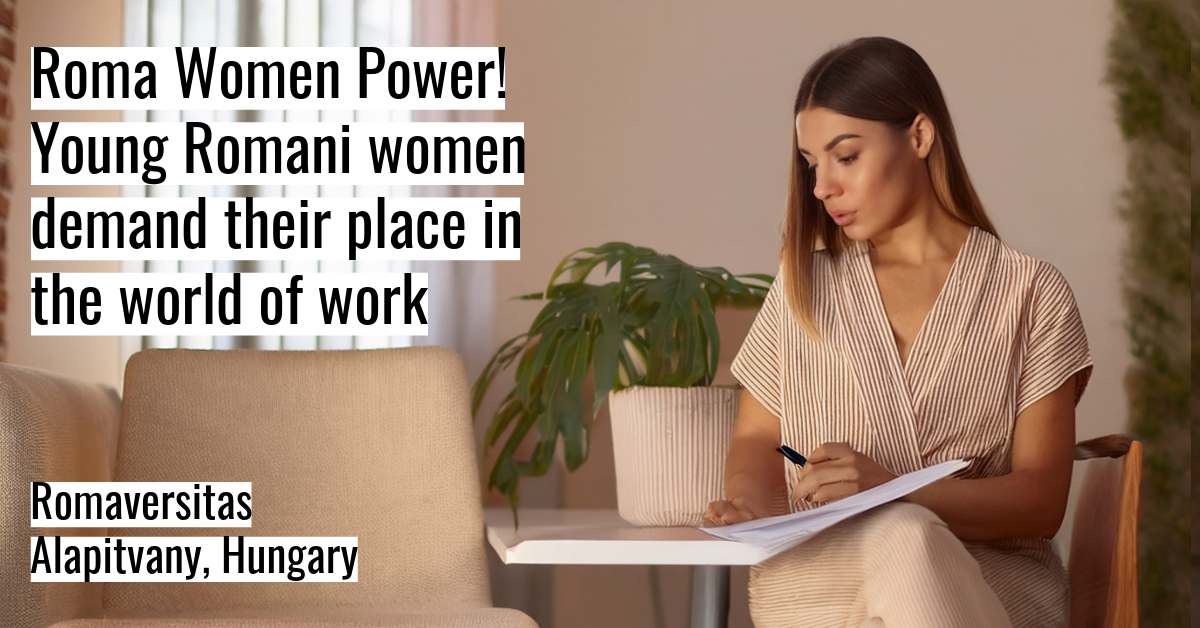
Roma Women Power! Young Romani women demand their place in the world of work

Roma Women Power! Young Romani women demand their place in the world of work

This is an article presenting the project prepared by Romaversitas Alapitvany, Hungary, given the subgrants under the ERGO sub-granting scheme 2024, funded by the EU

In the summer of 2024, Romaversitas Alapitvany launched an important initiative aimed at supporting young Romani women in Hungary in the employment sector. The project combined desk research, community engagement, and policy advocacy to better understand these challenges, and it laid the groundwork for future advocacy and action.

The project was focused on a systematic desk research study, conducted in June and July. It aimed to uncover insights into the inclusion and exclusion of Romani women in the labour market. The Romaversitas team reviewed policies, employment statistics, and good practices from across Hungary, with a special focus on the barriers that prevent young women from accessing fair and decent work.

Gathering Real-Life Stories

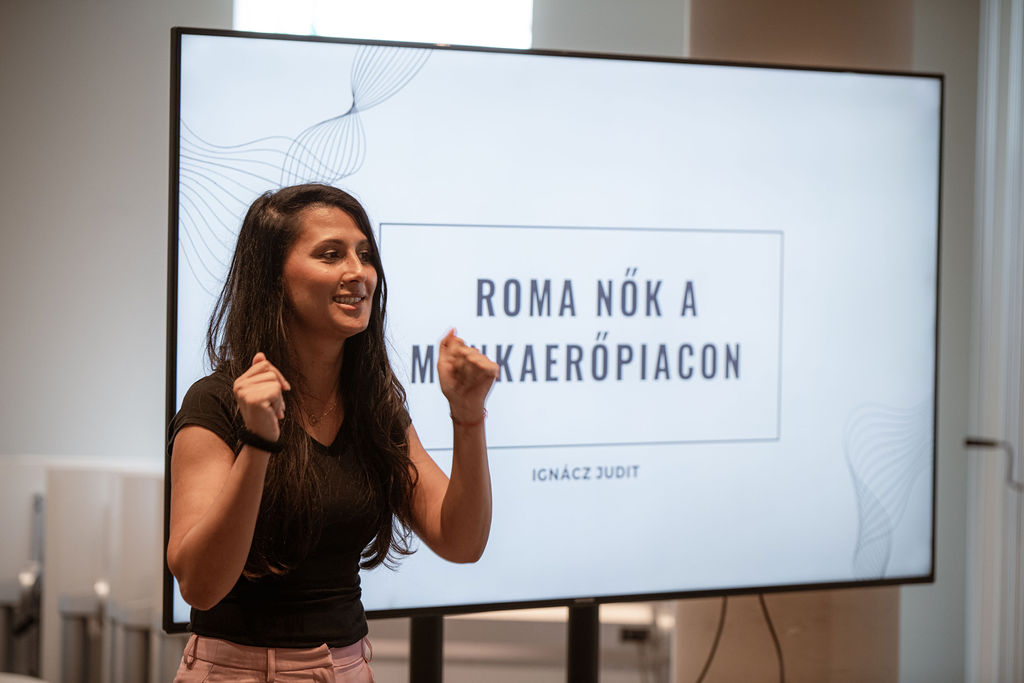
To complete the data, Romaversitas brought together 19 young Romani women from various parts of Hungary, including Pécs, the northeast region, and the outskirts of Budapest, for a community meeting in May. This one-day gathering gave Romaversitas an opportunity to hear directly from those most affected by exclusion in the labour market.


Through open discussions, the women shared their personal stories, the obstacles they’ve faced their entire life, but they also showcased the strength they carried on for so long. These firsthand experiences and testimonies enriched the research with more context, adding powerful voices to the findings. 


The community meeting didn’t just gather stories, it also provided practical help. The young women took part in workshops on CV writing, crafting motivation letters, and communication strategies for job interviews. These sessions helped to build confidence and offered concrete support for those entering or navigating the job market.

Building for the Future

Romaversitas hopes to use the insights gathered from both the research and the personal stories to inform future campaigns and advocacy efforts. In combining research with real community voices, this project shows the value of approaching social challenges with structure. 

Thanks to the openness of the young women who took part, it provides help for future work that is even more inclusive, and grounded in the reality of those who know the issues best.

If you have any further questions about this application, drop us an email at info@staging.ergonetwork.org.

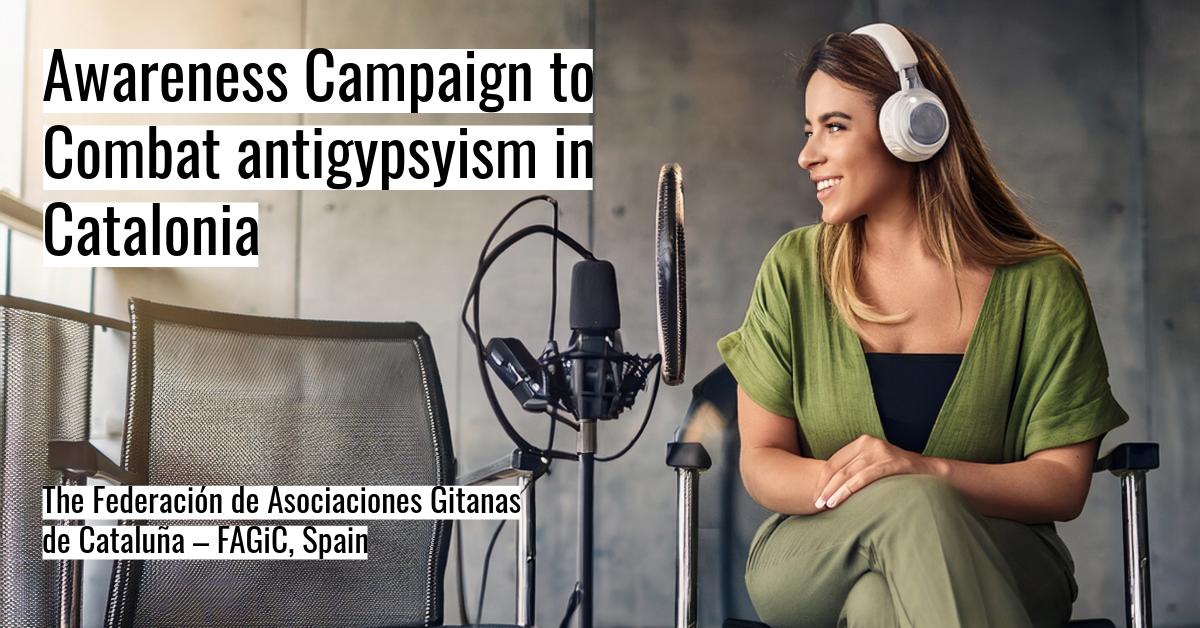
Awareness Campaign to Combat Antigypsyism in Catalonia, The Federación de Asociaciones Gitanas de Cataluña – FAGiC, Spain 

Awareness Campaign to Combat Antigypsyism in Catalonia, The Federación de Asociaciones Gitanas de Cataluña – FAGiC, Spain 

This is an article presenting the project prepared by the The Federación de Asociaciones Gitanas de Cataluña – FAGiC, Spain given the subgrants under the ERGO sub-granting scheme 2024, funded by the EU

Cultivating Awareness and Advocacy: FAGiC’s Journey Against Antigypsyism

Over the past months, FAGiC – the Federation of Roma Associations in Catalonia – has been powerfully growing its impact. It involved a series of creative, strategic, and community-rooted activities, and they have worked to raise awareness of antigypsyism and strengthen their advocacy efforts across different sectors of society. The project collaborated with Blanquerna University’s Media Pluralism Monitor to examine media narratives related to discrimination, and it prepared to join the Anti-Rumor Network to combat stereotypes.

Telling Our Stories

Their campaign was mainly focused on the power of storytelling. They partnered with Catalunya Ràdio and La Marina FM to produce a thought-provoking podcast delving into the roots and consequences of antigypsyism. These conversations opened up space for Roma voices to be heard in mainstream media, challenging long-standing narratives and offering fresh perspectives.

To broaden their reach, they also contributed articles to respected platforms such as La Directa and Racó Català, offering insights into the lived experiences of Roma people and inviting wider Catalan society into an honest dialogue.

Building Bridges with Institutions

FAGiC has also taken significant steps into the institutional sphere, becoming an active voice in decision-making spaces. They joined the Table of Entities of the Office for Non-Discrimination in Barcelona, where they contributed directly to shaping local anti-discrimination policies. They have also begun a promising collaboration with the Media Pluralism Monitor project at the Faculty of Communication and International Relations, Blanquerna. This partnership aims to explore how discrimination manifests in media narratives and to develop tools for accountability and change. 

Laying New Roots: Growing Alliances for the Future.

The project reached diverse audiences, including members of the Roma community, civil society organizations, policymakers, media professionals, and academics. It increased awareness of antigypsyism through media platforms, strengthened its institutional presence, and initiated collaborations with key stakeholders to challenge stereotypes. Key lessons learned emphasized the importance of institutional cooperation, media partnerships, and community involvement in combating antigypsyism.

Looking ahead, FAGiC is preparing to join the Anti-Rumour Network (Xarxa Antirumors) of the Barcelona City Council – a coalition dedicated to dismantling stereotypes and prejudice in the public sphere. They also had the honour of sharing their experiences and learnings at the European Experiences Panel during the Congress of Roma Women, engaging with activists and policymakers from across the continent. 

If you have any further questions about this application, drop us an email at info@staging.ergonetwork.org.

TAOO Project during EU Roma Week

New Partnership for Digital Inclusion: TAOO Project Gains Momentum During EU Roma Week

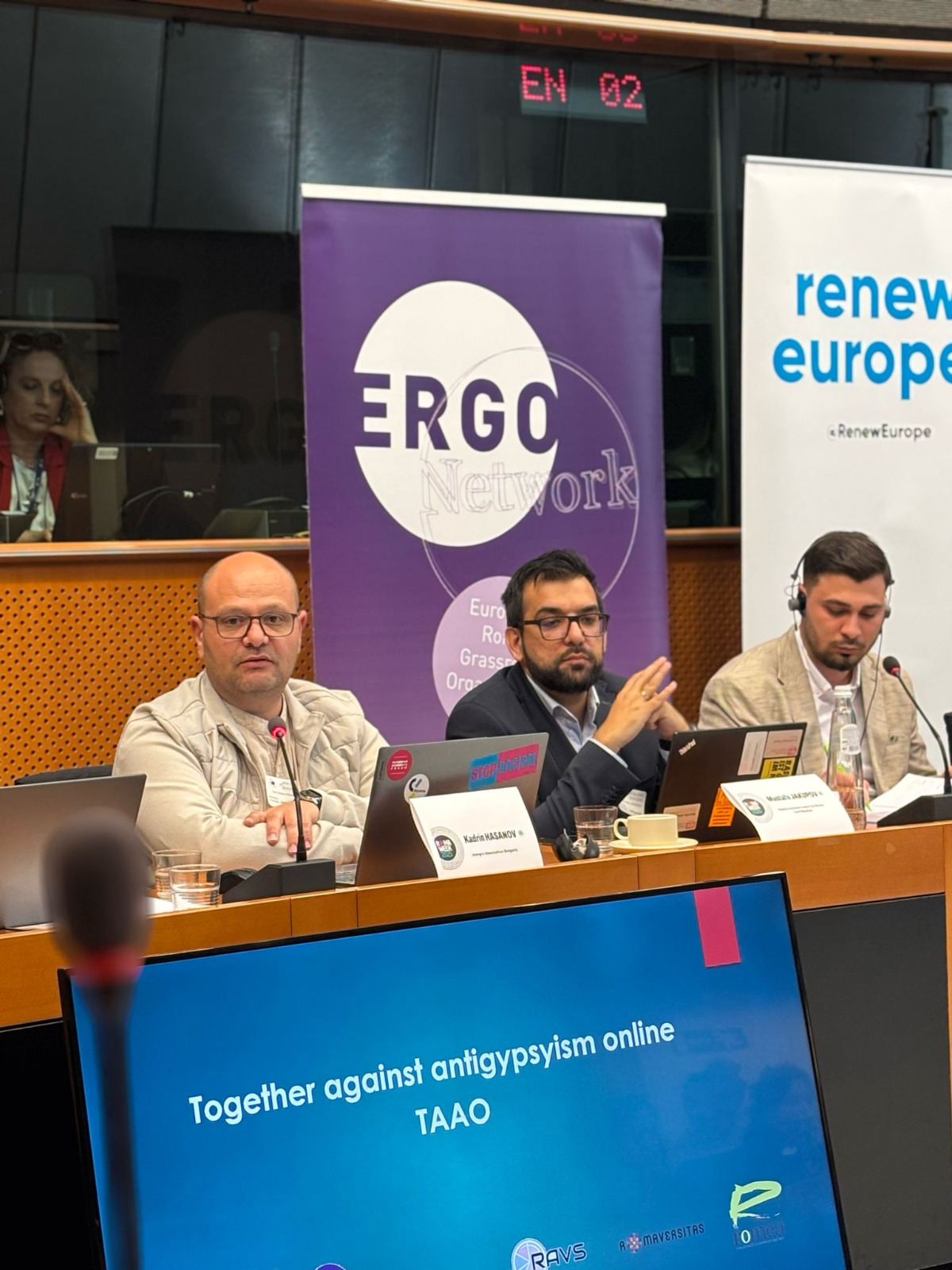
Brussels, April 2025 — The Together Against Antigypsyism Online (TAOO) project made waves at this year’s EU Roma Week, emerging as a key initiative in the fight against digital exclusion and online hate speech targeting youth. Held at the European Parliament, the event brought together Members of the European Parliament (MEPs), civil society actors, and youth leaders to discuss pressing issues facing Roma communities in the digital age.

At the heart of the “Digital Futures: Bridging the Divide for Roma Youth” panel, Kadrin Hasanov of Bulgaria’s Integro Association shared insights from the ground. Presenting case studies from Bulgaria, Hasanov outlined how Roma communities grapple with limited access to digital tools, literacy challenges, and discriminatory algorithms. “Without equitable and safe digital environments, Roma youth remain excluded from education, employment, and democratic participation,” he said.

The event drew strong political attention and was organised in collaboration with the ERGO Network and the ternYpe International Roma Youth Network. MEPs Hristo Petrov (Renew Europe, Bulgaria) and Nikos Papandreou (S&D, Greece) co-hosted it and expressed support for long-term solutions to online antigypsyism, signalling potential cooperation between EU institutions and TAOO partners.

Roma Week 2025—one of the EU’s largest annual events on Roma inclusion—served as a powerful platform for the TAOO project. Co-hosted by the European Parliament, European Commission, and civil society groups, the week-long program spotlighted issues from antigypsyism to political representation.

Looking ahead, TAOO partners plan to deepen collaboration with digital rights watchdogs such as Lie Detectors, EDRi, and Equinox.

“This is just the beginning,” said Gabriela Hrabanova of ERGO Network. “We’re building a bridge between Roma communities and EU institutions—one that leads to lasting change.”

`
General – Page 6 – ERGO Network

By continuing to use the site, you agree to the use of cookies. more information

The cookie settings on this website are set to "allow cookies" to give you the best browsing experience possible. If you continue to use this website without changing your cookie settings or you click "Accept" below then you are consenting to this.

Close