Remembering the Roma Holocaust: Fostering Unity! 

The era we live in has changed its moral compass and is notably based on universal human rights; it has marked the 2nd of August as a painful reminder of the Roma Holocaust. The perpetual persecution and massive extermination of the Roma population by Nazis should remain a pained cry of society that must never forget the horrors of our past. Despite the moral changes, selective racial empathy flourishes in today’s society. Therefore, the memory of the Roma Holocaust goes beyond mere remembrance – it paves the way for common identity and interconnectedness. 

Looking at the Roma Holocaust through the lens of emotions and feelings fosters interconnectedness and creates a common conscious identity in our society. By examining the historical injustices, we strive for a more comprehensive understanding of human behaviour to build inclusive policies. In this article, we will look back at the Roma Holocaust, draw comparisons to the current challenges that the Roma community is experiencing, and explore the possibilities for moving forward and making progress by strengthening common identity.

The Roma Holocaust prevails as an abandoned memory in our history, preceded by many other crimes committed against the Roma. Throughout the centuries, Roma were subjected to persecution, discrimination, and extermination alongside other targeted groups. The Nazis tore families apart, destroyed homes, and shattered lives in their attempt to wipe out our culture, identity, and existence. On August 2, 1944, the remaining 2,897 Roma prisoners in Auschwitz-Birkenau were killed. This date is remembered by the Roma community as a symbol of great suffering and loss. Unfortunately, World War II and the Holocaust are not the end of the persecution of our people. Until now, Roma communities across Europe suffer antigypsyism, prejudice, and marginalization. 

Emotions play a crucial role in fostering unity

Human beings belong to various social groups in which they associate with each other based on common beliefs and identities. Emotions are extremely important for groups because they are at the heart of how communities understand and feel about things or situations. (Hutchinson and Bleiker, 2014). Moreover, emotions connected to shared memories and history, particularly those that are shaped around strong emotional experiences, could be institutionalized at the state level in the form of laws or resolutions (Mercer, 2010, 2014; Sasley 2011; cited in Hutchinson & Bleiker, 2014). 

Genocide or crimes against humanity evoke specific emotions that may become a political matter by reaching various audiences. Genocide, slavery or war hold the same effect: dead or injured bodies connect physical and emotional spheres with culture, memory and history. The linking pattern between the past and the present, between the individual and collective emotions, is through representation. Representation can happen through various means such as music, images, gesture, speech, sounds, etc. However, predominantly, if the representation is used by individuals, politicians, etc. (carrier groups) it is leading to evoking particular emotions which tend to unite society. The major tool reaching the vast majority is mass media. Carrier groups are efficiently using the mass media by depicting horrendous events like terrorist attacks or any crimes, which cultivates certain emotions about how the audience will collectively feel about it. These processes through which emotions are manifested, shape identities, attitudes and behaviours of communities (Abu-Lughod and Lutz 1990, 13–16; Scheff 1990; Lutz 1988, cited in Hutchison & Bleiker, 2014). 

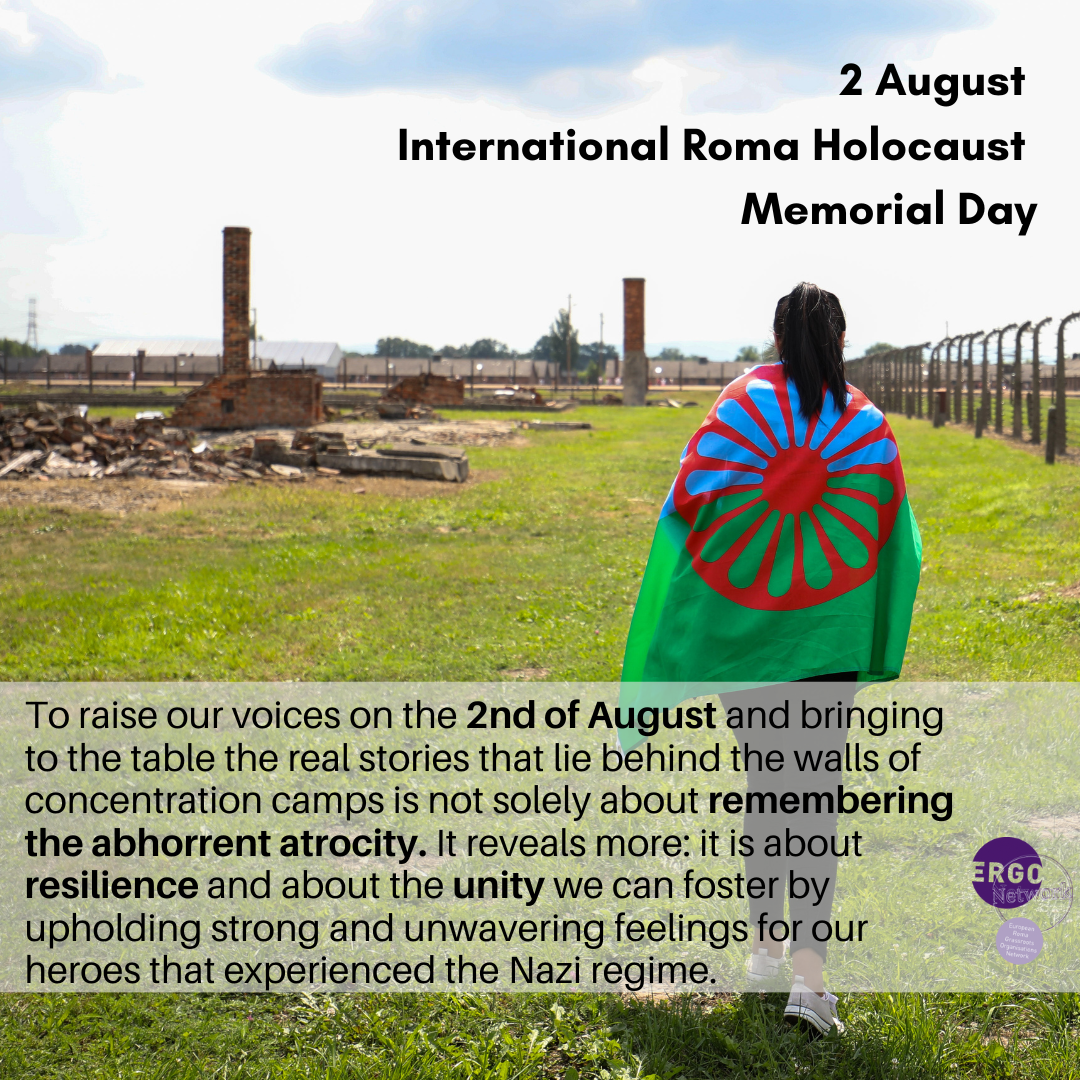
Hence, to be raising our voices on the 2nd of August and bringing to the table the real stories that lie behind the walls of concentration camps is not solely about remembering the abhorrent atrocity. It reveals more: it is about resilience and about the unity we can foster by upholding strong and unwavering feelings for our heroes that experienced the Nazi regime. 

Reconciliation and Truth Committees: Pathways to Healing

In the pursuit of justice and healing, reconciliation and truth committees have played vital roles in addressing historical injustices and promoting reconciliation. The CHACHIPEN project offered valuable insights into how truth committees can contribute to the recognition of the Roma Holocaust and facilitate healing and reconciliation within the Roma community. With the JEKHIPE project, we aim to continue to overcome the barriers that prevent justice and equality for Roma people. By addressing the issues Roma people face daily, JEKHIPE will work on different levels, including research, advocacy, and building alliances with various stakeholders. It tries to challenge the current approach to antigypsyism and proposes ways to hold national governments accountable. The foundation of the program is based on the findings of the “Chachipen” project, which aims to address antigypsyism in Europe and pave the way for a Truth and Reconciliation process.

Reconciliation and truth committees provide platforms for truth-telling, acknowledging past atrocities, and working towards accountability and reparations. By acknowledging the suffering endured during the Roma Holocaust, truth committees become essential tools in the pursuit of justice, healing, and reconciliation. 

Towards the Future: 

By commemorating the Roma Holocaust on the 2nd of August, we are honouring the memory of victims and survivors. This day reminds us of the importance of confronting historical injustices and working towards justice and equality.

The 2nd of August is an opportunity to increase awareness, foster dialogue, and expand empathy and understanding. By acknowledging the Roma Holocaust alongside other historical injustices, we dedicate ourselves to creating a future where past atrocities are recognized, commemorated and the lessons learned lead us towards a more inclusive world. Together, we commit to building a better future, where the past serves as a guiding light for a brighter tomorrow.

Written by Annamaria Psenkova for ERGO Network

References:

Abu-Lughod, L. & Lutz, C. A.(1990). Introduction: Emotion, discourse, and the politics of everyday life. In Language and the politics of emotion, edited by Lila Abu-Lughod, and Catherine A. Lutz, 1–23. Cambridge: Cambridge University Press

Fierke, K.M. (2013). Political self-sacrifice: Agency, body and emotion in International Relations. Cambridge: Cambridge University Press.

Hutchison, E. & Bleiker, R. (2014). Theorizing emotions in world politics. International Theory, 6, pp 491-514 doi:10.1017/S1752971914000232 

Sasley, B. (2011). Theorizing states’ emotions. International Studies Review Vol.13 No.3, pp. 453–76.

Supporting Ukrainian Roma impacted by war in the Czech Republic, Romania, Poland, Hungary and Moldova

ERGO Network is contracting local experts to draft a monitoring report on the situation of Ukrainian Roma refugees in the Czech Republic, Romania, Poland, Hungary and Moldova. Each expert will draft a monitoring report for the country of assignment. Besides, local experts will support ERGO Network in advocacy efforts to address the antigypsyism the Ukrainian Roma refugees face by monitoring the experiences of Ukrainian Roma refugees on the ground.

ERGO Network

ERGO Network brings together around 30 members from across Europe and supports organisations with a common perspective on Roma grassroots empowerment and equal citizenship to challenge stereotypes and combat stigmatization. We mobilize and connect organisations and individuals that share and express our values – active citizenship, shared responsibility, and passion – to strengthen and empower Roma civil society involvement in decision-making at local, national, and European levels and to address existing shortcomings of policies targeted at Roma.

Context and objectives for the project

The approximately 400,000 Roma living in Ukraine have faced antigypsyism for centuries, manifested for example in statelessness, extreme poverty and hate crimes. Today, Roma refugees and IDPs experience differentiated, sub-standard treatment in the Ukrainian humanitarian response inside Ukraine and in all countries receiving refugees. Besides antigypsyism in the provision of aid, the Roma are also neither involved nor receives special consideration in the development of programmes for refugees and IDPs and the planning of post-war programmes in Ukraine.

For the estimated 100,000 Ukrainian Roma who have fled the country. Roma civil society organizations are currently their main – and often only – point of support. Both state services and mainstream humanitarian NGOs largely ignore the Roma or treat them differently.

With this project, we aim to:

  • Support the work of national and local Roma CSOs in countries receiving refugees in improving access to quality services for Roma refugees;
  • Advocate for equal access to timely and quality services for Ukrainian Roma refugees on national and European level, based on evidence from the ground;
  • Raise awareness of antigypsyism faced by Ukrainian Roma and contribute to changing the narrative about Roma.

Role of the local monitoring expert

We are looking for local experts with experience in the context of monitoring the situation  of Ukrainian Roma refugees takes place – the Czech Republic, Romania, Poland,Hungary and Moldova. 

Specifically, each expert is expected the following:

  • Develop and write the monitoring report on the situation of Ukrainian Roma refugees for the country they are assigned to work based on a common methodology.
  • Conduct interviews and focus groups, with a special focus on vulnerable sub-groups of Roma refugees
  • Collect and analyse data on the existing situation regarding Ukrainian Roma refugees as a part of the work on drafting the report
  • The Report shall provide relevant data to ERGO Network on Ukrainian Roma refugees, including a detailed scope of work and target locations produced (i.e. number of Ukrainian Roma refugees in certain regions, or the number of Ukrainian Roma refugees in certain reception centres).
  • Special attention in the report should be given to cases in which Ukrainian Roma refugees have faced antigypsyism
  • Tracking of progress and changes in comparison to the first round of monitoring reports produced by ERGO Network between January and June 2023
  • Develop recommendations on possible sustainable solutions to be part of the legal framework in this area and in the specific country produced as a part of the report.

                                Please see the full call and the conditions HERE

Profile of the expert:

  • Sound background in the field of Roma inclusion in countries of assignment
  • Experience in conducting monitoring and research within the topic of this Call for Application
  • Experience in drafting monitoring and research reports in the field of Roma inclusion

Conditions:

  • This Call for Applications will be open from until 20 August 2023. The deadline for submission of applications is 20 August 2023, 24.00 (CET).
  • Anticipated starting date of the local expert engagement is the 01 of September 2023, while the anticipated contract term is from the 01 of September 2023 to the 01 of November 2023.

Contract and budget:

  • Expert shall be paid 2000 EUR expert costs per report in each country, all taxes and VAT included.
  • The total number of days for the assignment is 10.

Application procedure:

Those who wish to apply to this Call for Applications should submit the following documents:

  • CV, highlighting background and expertise regarding research on Roma and with particular focus on Roma population vulnerable sub-groups
  • Document/statement explaining why this topic is interesting and relevant, and how it can improve the lives of Ukrainian Roma refugees in a particular country encompassed by this project
  • Brief description of the methods and tools to be used to carry out the monitoring of delivery of humanitarian aid to Ukrainian Roma refugees

We will select the experts for each country defined by the project in which monitoring of the situation of  Ukrainian Roma refugees should take place. The selection of the experts will be performed according to the “Value for money” principle.

Please submit your application to d.markovic@staging.ergonetwork.org by the 20 of August 2023, 24.00 (CET).

For further questions, please contact d.markovic@staging.ergonetwork.org

ERGO Network General Assembly 2023: Strengthening Collaboration and Empowering Change

  • Date: June 25 – June 28, 2023 
  • Location: La Padure, Brebu, Romania

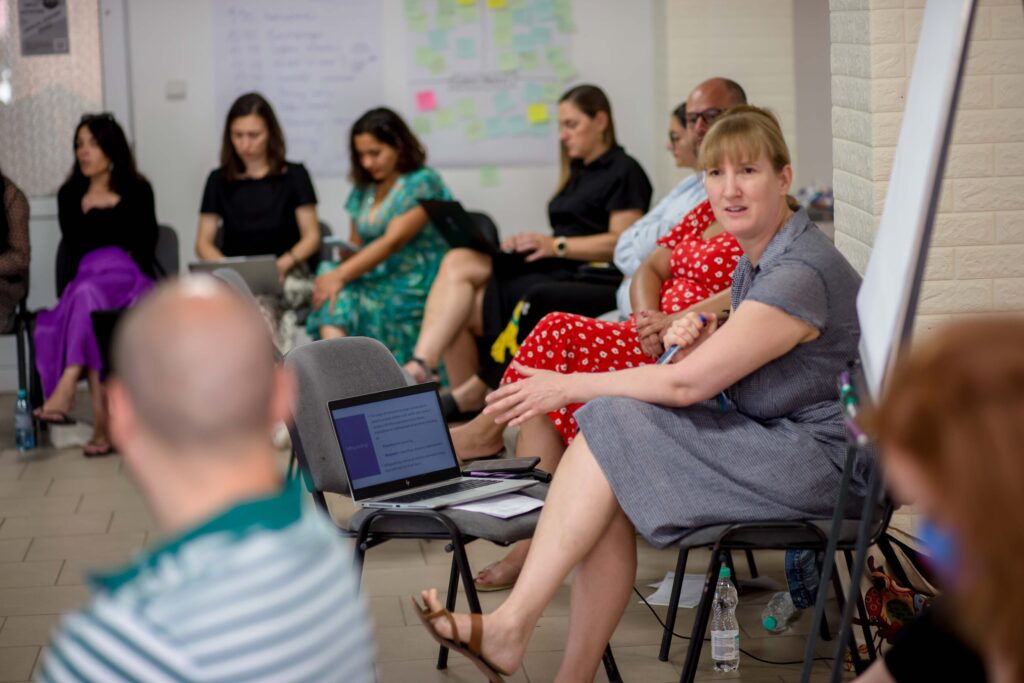
We have successfully held our General Assembly from June 25 to June 28, 2023. The event took place in the picturesque location of La Padure, not far from the town of Resita in Romania, hosted by our member Nevo Parudimos and it offered a serene setting for productive discussions and collaborative efforts.

Monday 26 June: Updates and Sharing Among ERGO Network Members

The first day of the General Assembly was filled with lively discussions, updates, and the exchange of ideas among the ERGO Network members.

The day began with the registration, followed by a warm welcome from the Board, including Soraya Post, Daniel Grebeldinger, and ERGO Network Director Gabriela Hrabaňová.

Gabriela Hrabaňová provided an insightful framing of the General Assembly, setting the context for the discussions and activities to come.

As we had many new faces during this General Assembly we continued with an exchange session where we all could introduce ourselves, and share our hopes, fears and commitments, facilitated by Martina Horváthová and Ana Rozanova.

The focus then shifted to sharing the latest grassroots and national-level activities. Members had the opportunity to discuss their organisations’ biggest successes, challenges, and projects of which they were proud.

Following the enriching discussions, attendees enjoyed lunch together, fostering further networking and connection among participants.

In the afternoon session, ERGO Network policy work took centre stage. Isabela Mihalache provided updates on the EU Roma Strategic Framework up to 2030, Roma Civil Monitoring, and the work of the Anti-Racism Coalition. Amana Ferro and Carmen Tănasie presented on combating Roma poverty and social exclusion. 

Afte this the statutory items and voting took place. Attendees were reminded of the General Assembly’s statutory role and voting procedures. The Internal Governance Handbook was reviewed, and topics for voting were presented, including the approval of the end of the mandate for founding members and the consideration of new membership applications.

We are now happy to reveal that our Network grew bigger. Our associate member Jaw Dikh Foundation from Poland was approved as a full member, and three new associate members joined us: Roma Women Platfrom ROMNI from Moldova, Sastipen from Romania and Roma Women Dendropotamos, Greece. 

The day concluded with a sense of accomplishment and unity, followed by a BBQ dinner accompanied by live music and warm and relaxed atmosphere.

Tuesday, June 27: Building the New ERGO Network – Strengthening Leadership

The second day of the General Assembly focused on shaping the future of the ERGO Network by enhancing leadership and strategic planning.

The day began with a warm welcome by a framing session and check-in led by Christine Sudbrock and continued with the presentation of two projects. Ana Rozanova shed light on the Decade “Fighting against Antigypsyism,” while Dejan Markovic discussed the power of Romani women for change in the Western Balkans and Turkey.

After this (and a short coffee break) Christine Sudbrock delved into the topic of safeguarding policies. Participants gained valuable insights into the importance of such policies and how to develop them within their organisations.

Martina Horváthová facilitated an interactive discussion on the Membership Strategy, inviting members to contribute their thoughts and ideas.

The afternoon session explored ways to strengthen the ERGO Network

by fostering collaboration and initiating new projects. An open space format was adopted to encourage participants to create cooperative initiatives and explore potential areas of collaboration, and we have several concrete ideas to implement in the coming year.

After a brief coffee break, attendees had the opportunity to visit a housing project in Resita organised by Nevo Parudimos. This visit provided firsthand exposure to a successful initiative aimed at improving housing conditions for Roma communities, showcasing the tangible impact of dedicated efforts.

The day concluded with a closing dinner, where participants gathered to reflect on the General Assembly and provide valuable feedback. 

Concluding remarks

As the General Assembly came to a close, participants departed with a sense of renewed energy, strengthened partnerships, and a shared commitment to continue the vital work of promoting the rights and empowerment of Roma communities.

The ERGO Network General Assembly 2023 served as a significant milestone in strengthening collaboration, empowering change, and charting the course for a more inclusive and equitable future. The event showcased the collective dedication and determination of ERGO Network members to overcome challenges, share successes, and create lasting impact.

Through engaging discussions, policy updates, and the exploration of new projects, we departed with a renewed sense of purpose and motivation to drive positive change in communities and for the Secretariat to support our members in their work.

The ERGO Network remains steadfast in its commitment to advocating for the rights of Roma communities, combating antigypsyism, and fostering social inclusion. With the outcomes and momentum generated during this General Assembly, the organisation is poised to further amplify its impact, expand its network, and promote meaningful change for Roma communities across Europe.

As the General Assembly concluded, the ERGO Network looks forward to the continued collaboration, collective efforts, and achievements that lie ahead.

ERGO Network’s Exchange Visit to Amaro Drom, Germany

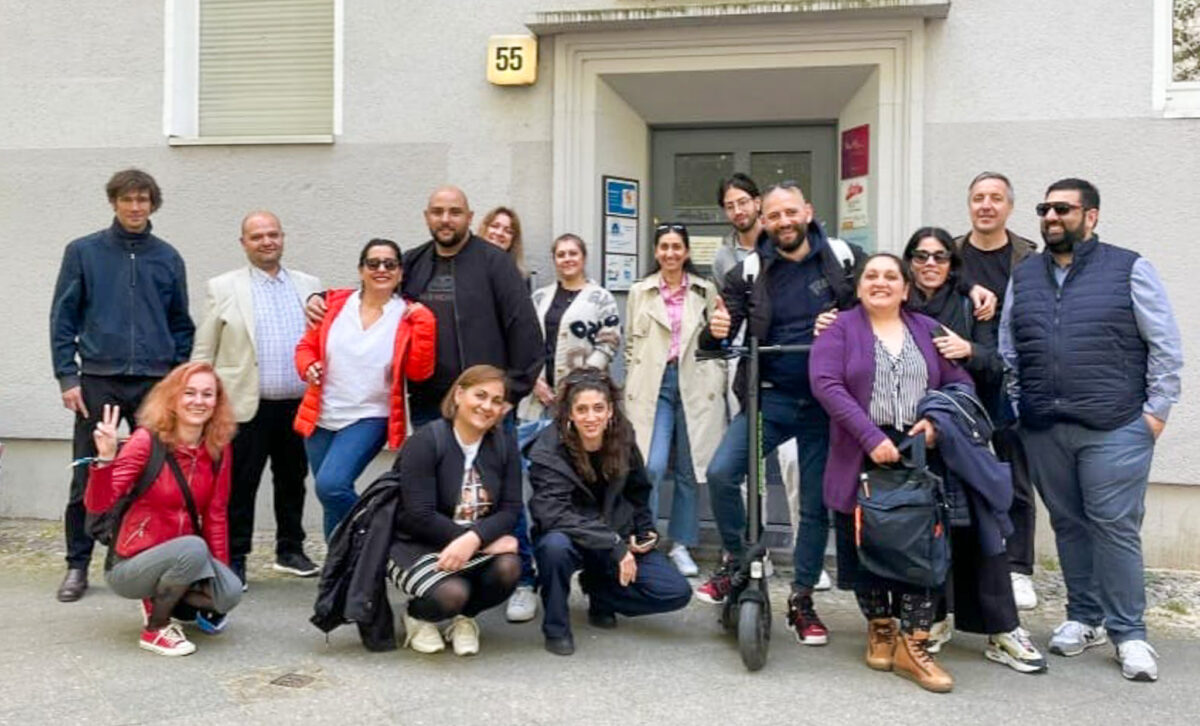
On 23-26 May, ERGO Network organised an exchange visit in collaboration with one of its members – Amaro Drom, located in Berlin. The visit team included representatives from seven member organizations, accompanied by three staff members from ERGO Network.

Amaro Drom is a youth organization that promotes political and social participation among Roma and non-Roma individuals. They aim to empower and mobilize young people through self-organization. Amaro Drom operates as a federal association with a strong network for exchange and support among state associations and other youth organizations in Germany.

During the visit, we were warmly welcomed by Mr Merdjan Jakupov, the director of Amaro Drom, and had dinner together on May 23. For many of us, this was our first opportunity to meet colleagues from other member organizations.

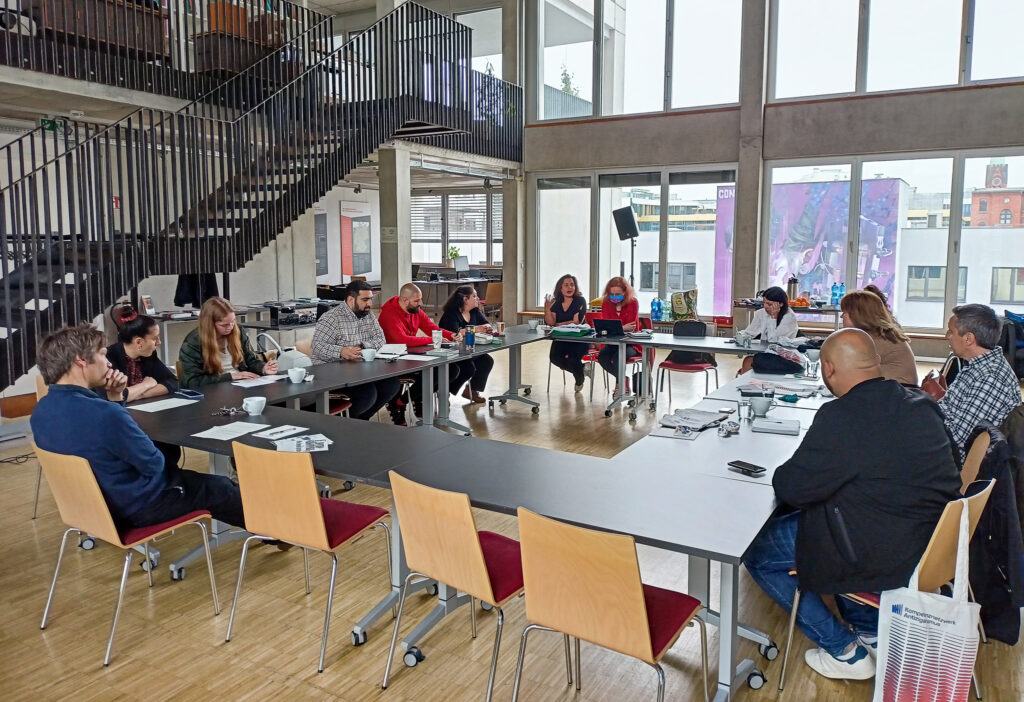
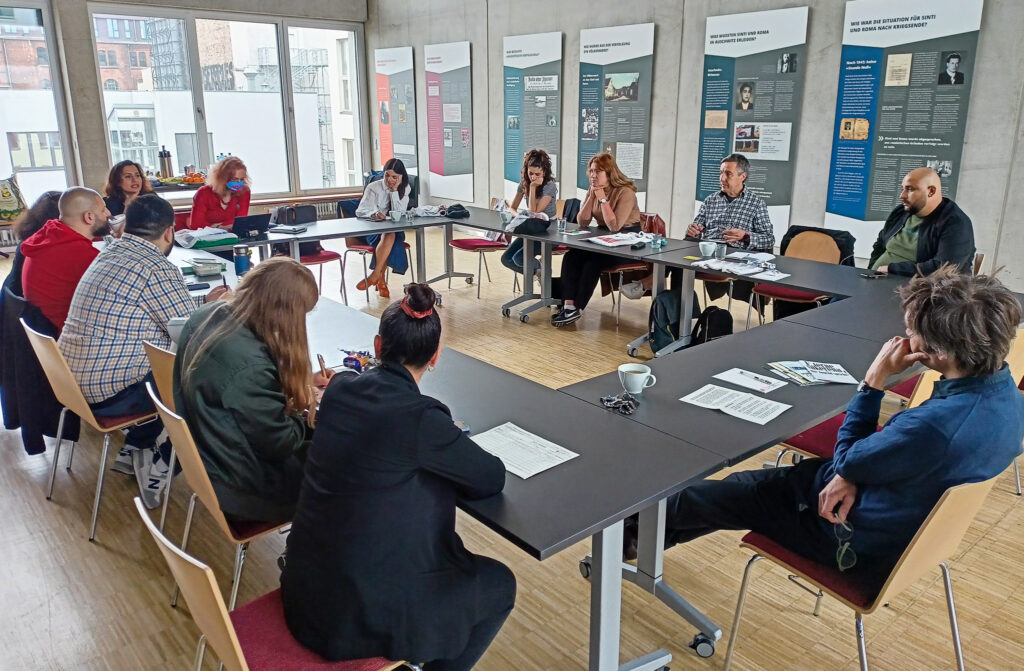
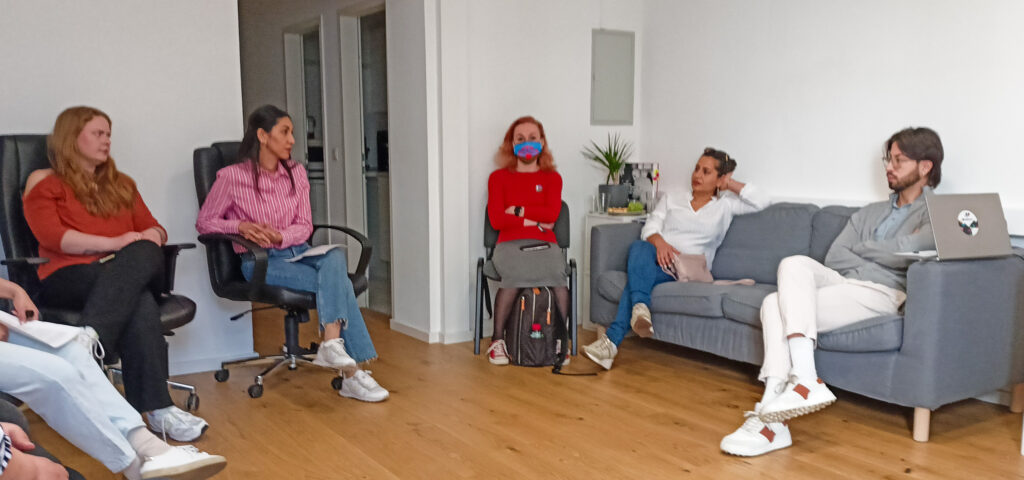
On May 24, the first day of the visit, we gathered at the Bildungsforum gegen Antiziganismus (Educational Centre against Antigypsyism), which shares the same building as Amaro Drom’s offices. The premises featured informative displays about the Roma Holocaust and the development of the movement for its recognition.

We were introduced to the work of Amaro Drom by four of their employees. Since it is primarily a youth organization, they focus on projects that educate young Roma about antigypsyism, its consequences, and effective ways to combat it. Through the “Kompetenznetwork Anticiganismus” project, they have established six new youth groups that transformed into associations and joined the Amaro Drom network. They also provide training for young Roma and Sinti leaders and organize national and international youth exchanges. Additionally, they raise awareness about antigypsyism among the majority of society through workshops in schools. Amaro Drom also uses platforms like TikTok to enhance the visibility of young and active Roma and Sinti, gaining 5,000 followers in just six months. They publish a youth magazine that shares the ideas and thoughts of young Roma and Sinti and run an Intercultural Academy for both the general public and the Roma community.

In Berlin, Amaro Drom aims to raise awareness among young people aged 18-30 about various human rights issues. They organize thematic city tours from alternative perspectives, including those of immigrants, street art, and Roma, followed by workshops on intersectionality and prejudices.

During the visit, we also learned about the work of the Bildungsforum gegen Antiziganismus. Their main focus is to document the history and current state of antigypsyism in Germany while educating the public. As a branch of the Documentation and Cultural Centre of German Sinti and Roma Genocide Victims, the Educational Centre collaborates with Amaro Drom to counter the prevailing narrative that Sinti and Roma are mainly seen as criminals. They conduct training for various groups of civil servants, such as teachers and police officers, organize public discussions, produce publications, and raise awareness about antigypsyism.

The third organization we encountered was the recently established Registration and Information Centre on Antigypsyism (Melde- in Informationsstelle Antiziganismus, MIA). MIA is a civil society monitoring agency that systematically records and evaluates instances of antigypsyism in Germany. Their goal is to shed light on the manifestations and extent of antigypsyism in German society and promote awareness of the problem. MIA collaborates with associations, consulting and anti-discrimination agencies, other civil society organizations, and government institutions. They also offer qualification seminars on the topic and develop a category system for recognizing and reporting antigypsyism.

Throughout our visit, we engaged in discussions with our colleagues on various topics. We learned that there are no official figures for the number of Roma and Sinti living in Germany, as they are not recognized as a national minority. The estimated official number is around 60,000 Sinti and 100,000 Roma, but field reports suggest a minimum of 500,000 Roma, including immigrants from Balkan countries in Germany with the total population of 80 million. We also discussed the barriers faced by Roma in the German education system, which hinder their access to higher education.

It is important to note that all the organizations presented during the visit are funded by both federal and Berlin governmental budgets.

On the second day of the visit we visited the administrative offices of Amaro Foro. Since 2010, this organization has provided social counselling to Roma living in Berlin, particularly those from Bulgaria and Romania. They are also members of the Amaro Drom network and document and report incidents of antigypsyism through their project called Dosta, which started in 2014.

During our discussions with Amaro Foro, we explored the different treatment of immigrants from Bulgaria and Romania, as well as those who speak Turkish, which is even encoded in state law.

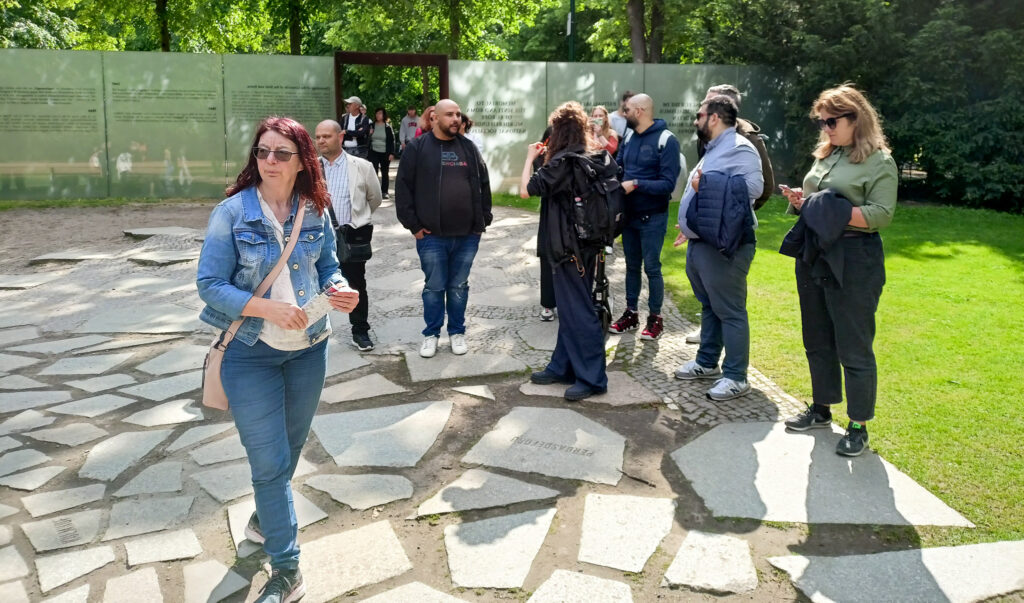
After lunch, we visited memorials dedicated to victims of antigypsyism. We first paid our respects at the memorial stone for the boxer Rukeli Trollmann, who was persecuted during World War II. Then we visited the Memorial of Jewish victims of the Holocaust, followed by the Roma and Sinti Holocaust Victims Memorial, situated near the German Parliament (Bundestag).

Everyone departed for their countries filled with excitement and inspiration. The exchange visit turned out to be a resounding success for our member organizations, providing us with a deeper understanding of the persisting antigypsyism attitudes in German society and the importance of combating them. We owe this achievement to the incredible hospitality and inspirational work of our host, Amaro Drom.

ERGO Network has plans to organize similar visits to other member organizations in the coming years. These events play a vital role in our work by allowing us to understand the challenges faced by Roma communities in different countries and learn about the innovative solutions being implemented by local organizations. By facilitating these exchanges, we foster a spirit of collaboration and knowledge-sharing that enables us to collectively address the issues affecting Roma communities and work towards positive change.

Roma Week 2023: Join us this week!

Policymakers, experts, activists and organisations concerned with persistent antigypsyism in Europe are planning to collaborate for Roma Week in the European Parliament and other EU institutions after the International Roma Day (8 April) and ahead of the Roma Resistance Day (16 May). The Roma Week 2023 is aligned with the objectives of the European Year of skills 2023.

In the framework of the Roma Week 2023, there will be a series of events focusing on how history affects the current situation of Roma in Europe and what are the prospects for the future.

The Roma Week 2023 is hosted by the European Parliament and European Commission and organized in partnership with  Roma and pro-Roma civil society. This year it takes place under patronage of the President of the European Parliament Roberta Metsola.

You can check the full agenda of the #RomaWeek2023 on the dedicated website brought to you by ERGO Network here.

Below we present the events, (co-)organised by the ERGO Network:

History, Memory and Justice for Roma people in Europe: Final Conference

The event will showcase the results of the CHACHIPEN project – Remembrance, Recognition, Justice and Trust-Building.

It will discuss remembering and recognition of the Roma Holocaust in Europe and antigypsyism within transitions from fascist regimes. It will look at the case studies of Spain under Franco and Romania under Antonescu and to which extent antigypsyism has been addressed as well as Sinti issues and the fight against antigypsyism.

Read more about the event and check the AGENDA here.


New Solutions to Old Problems: Maximising the Use of Funding for Roma Equality, Inclusion and Participation 

The event aims to facilitate discussions on the challenges in ensuring adequate and effective regional, national, and local funds for Roma, as well as on the importance of monitoring data on funding and its effective implementation towards achieving equality, inclusion, and participation of Roma.

We will also look at the challenges and opportunities to scale up the use of EU funds for Roma during the 2021-2027 programming period and to promote the enhancement of Roma entrepreneurship, health, education and access to employment at the local level.

Read more about the event and check the AGENDA here.

Roma Civil Monitoring – Strengthening capacity and involvement of Roma and pro-Roma civil society in policy monitoring and review

Roma Civil Monitoring’s selected findings on Roma participation and access to housing

Following consultation with the partners implementing the RCM and agreement with the EC, the event will focus on two topics:

  1. Participation of Roma civil society in the development of the new NRSF and its potential impact on systematically improving Roma civil society’s participation in policymaking.
  2. Improving the access of Roma to housing with a particular focus on desegregation is one of the areas where the RCM’s ex-ante assessment of new NRSFs identified several weaknesses, including a failure to eliminate residential segregation in isolated rural settlements or urban ghettos. Without tackling such problems, successful Roma inclusion is not realistic. Yet, despite the gravity of this problem, only a few Member States have tackled these issues in their NRSFs.

Read more about the event and check the AGENDA here.

Roundtable Discussion on the Situation of Ukrainian Roma Refugees

In the framework of EU Roma Week, ERGO Network is delighted to invite you to a roundtable discussion on the situation of Ukrainian Roma refugees. The roundtable is part of ERGO Network’s efforts to raise awareness about the challenges faced by Ukrainian Roma refugees and to explore possible solutions to these issues.

The situation of Ukrainian Roma refugees is a matter of great concern, as they often face antigypsyism, discrimination, social exclusion, and limited access to basic services such as healthcare, education, social protection and housing. This roundtable discussion will bring together experts, and representatives from various institutions and organisations to exchange knowledge and experiences, discuss practices, and identify opportunities for collaboration.

Special attention will be given to the participation of Permanent Representatives of EU Member States in the round table for ensuring effective collaboration and informed decision-making towards addressing the challenges and needs of this vulnerable population.

During this roundtable, we will explore topics such as the legal and political framework for the protection of Roma refugees from Ukraine, the challenges of their access to basic services such as healthcare, education, social protection and housing and the role of civil society in supporting Roma refugees into host communities and the potential participation of Roma in the Recovery Plan for Ukraine.

Read more about the event and check the AGENDA here.

`
General – Page 16 – ERGO Network

By continuing to use the site, you agree to the use of cookies. more information

The cookie settings on this website are set to "allow cookies" to give you the best browsing experience possible. If you continue to use this website without changing your cookie settings or you click "Accept" below then you are consenting to this.

Close