80 Years Commemoration: Honouring the Past and Building a Just Future!

As we commemorate the 80th anniversary of the liquidation of the Roma and Sinti camps in Auschwitz-Birkenau, we reflect on the profound loss and enduring resilience of the Roma community. On the night between August 2 and 3, 1944, over 4,000 Roma, including women, children, and men, were brutally murdered by the Nazis.

This tragic event, part of the genocide against the Roma and Sinti people, saw more than 20,000 of the 23,000 imprisoned Roma in Auschwitz lose their lives. Today, as we remember these massacres, we acknowledge the ongoing struggles faced by Roma communities. The historical injustices of slavery and the Holocaust have left deep scars, and antigypsyism  lives on to this day. This commemoration is a moment to look back with sorrow and a call to action for justice and equality.

On August 2, 2024, we will take part in the international conference in Krakow, titled “The Future of Holocaust Remembrance and Education: Passing on the Testimonies of Roma and Sinti Holocaust Survivors,” organised by the Central Council of German Sinti and Roma, in partnership with the ERGO Network, the Alliance against Antigypsyism, and the Association of Roma in Poland. The event will mark the 80th anniversary of the Roma and Sinti genocide at Auschwitz-Birkenau. Experts from numerous institutions will contribute to the discussion.

Despite the European Parliament’s recognition of the Roma and Sinti genocide in 2015, the persecution of Roma remains a lesser-known chapter of history. As we mark 79 years since the end of World War II, we still lack this history being integrated into educational curricula and public consciousness. Decades have passed, yet the quest for truth and recognition of the Roma and Sinti’s suffering is still in its initial stages.

At the forefront of efforts to address these enduring challenges, ERGO Network, through the JEKHIPE project, aims to break up structural and institutional obstacles that hold back justice and equality for Roma communities, thus promoting the inclusion and participation of Roma in society, seeking to resolve historical injustices and confront contemporary issues head-on. The project raises awareness of institutional antigypsyism and policy advancements in the fight against it, promotes Roma identity, history, and culture as tools to prevent and combat antigypsyism, and sets out to promote and support restorative and transitional justice mechanisms at European and national level.

Europe faces a significant challenge in addressing the rising tide of antigypsyism, which current crises have increased. Even 74 years since the adoption of the European Convention on Human Rights, minorities in Europe, including Roma, are still racially profiled, mistreated, attacked, and not represented in the international arena – an issue reflected very clearly during the recent European Parliament elections, which resulted with not a single MEP to represent the largest minority in the EU. The rise of xenophobia, racism, and far-right movements underscores the urgent need to raise awareness about the Roma Holocaust and combat present-day discrimination.

As we honour the memory of those lost and reflect on the injustices of the past, we must also look to the future with a commitment to justice and equality. Today, let us remember the past and work to build a future where the Roma community can access justice and equality. Let us ensure that history lessons are remembered and that the fight against antigypsyism continues.
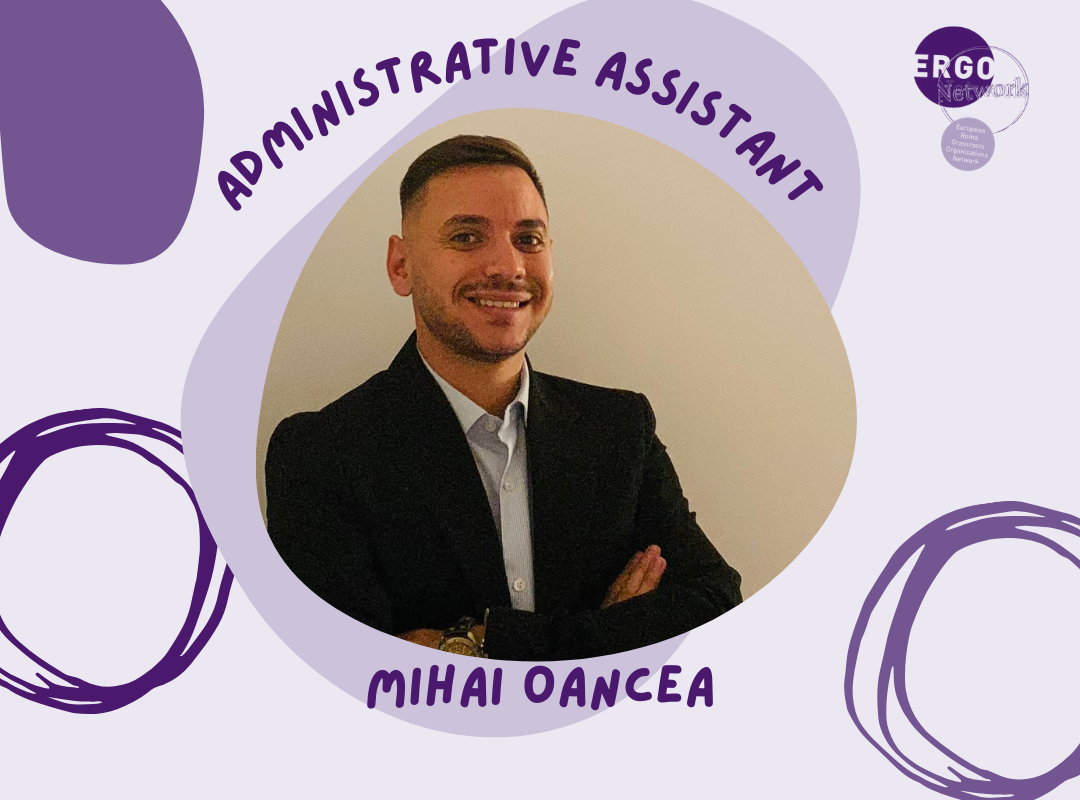
Welcome to our new Administrative Assistant

We welcome a new team member, Mihai Oancea, who has joined as an Administrative Assistant.

Within the ERGO Secretariat Mihai has the following responsibilities:

  • Event management: Liaising with event participants, booking venues and flights, preparing material and documentation, taking minutes and other tasks related to event logistics;
  • Contracting and finances: Supporting other team members in administrative procedures of contracting and sub-granting to our members, experts and external partners, supporting other team members in preparing invoices, dealing with reimbursements to participants, collecting financial evidence from members; working closely with the financial manager to preparing and filing financial documents.
  • Office management: Liaising with the Mundo Matonge management and team about any issues regarding our office space, ordering office materials etc.
  • Other administrative tasks: Assisting the Director with other tasks.

Read more about Mihai in his own words:

“I was born and raised in a traditional Roma community in the southern part of Romania. Since 2016, I’ve actively participated in Roma civil society, starting as a volunteer with Romani Criss, the first Roma organisation in Romania. Through this experience, I discovered my passion for working to improve the situation of Roma communities.

From a professional point of view, my experience includes activities that have for a long time involved involvement in the civic sector of Roma youth, working on the grassroots in various communities as well as working with various institutions aiming to improve the Roma inclusion sector (health and education sectors and human rights)

I believe that it is always good to combine useful things with pleasant things, which is why, throughout my career, I have always had to learn and gain experience in both the administrative and financial fields as well as in the social sector, and all this experience I gained working in civil society organizations has brought me different positions in the organizations I worked with, starting from volunteer to mentor, youth worker and project assistant, and then project coordinator. All these experiences have contributed to gaining knowledge in various areas related to the communities we are fighting for and the people whose voices need to be heard: Roma communities, generations of people, and people who need us to be there.

My last studies were a master’s degree in Management and Internal Audit within the Faculty of Management and Rural Development; this was an essential step in my career because I believe that despite the flexibility that the NGO sector allows, even in working on the grassroots, there is a need for adaptability and identification of ways of intervention focused on the needs of communities, and the procedures and strategies are directly related to them.

I am happy to continue working in the field of Roma civil society with ERGO; I am convinced that this experience will sustain my motivation to work for the community.”

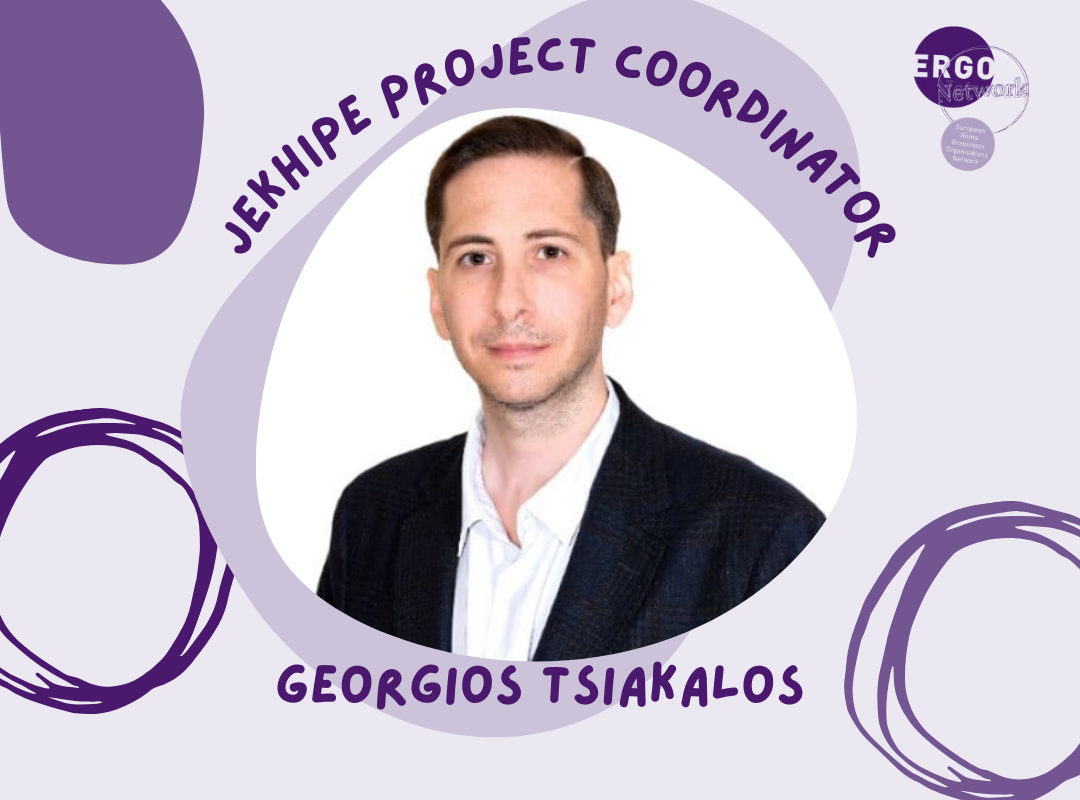
Welcome to our Jekhipe Project Coordinator

Welcome to our new team member

News from the ERGO Network Secretariat: Georgios Tsiakalos, the Project Coordinator for Jekhipe, has joined the team.

Within the ERGO Secretariat, Georgios has the following responsibilities:

  • Coordination of the Jekhipe project
  • Work on anti-discrimination and antigypsyism files
  • Coordination of transitional justice initiatives

Read more about Georgios in his own words:

I am an Attorney at Law specialising in Strategic Litigation for Human Rights and an experienced project manager. I hold a Bachelor’s degree in Political Science and Government from the National and Kapodistrian University of Athens, an LL.B. in European Law, and an LL.M. in Forensics, Criminology, and Law from the University of Maastricht. Additionally, I earned an MSc in Modern Medical Practices with a focus on bioethics, medical research, and legal regulation from the School of Medicine of the Aristotle University of Thessaloniki.

My legal career began in 2013 with a focus on criminal defence, where I quickly discovered my true calling: seeking redress for human rights abuses for those most in need. This passion led me to concentrate on Human Rights Law, dedicating my practice to strategic litigation and legal advocacy, particularly for the Roma community.

My career path was significantly shaped by my role as a legal expert for the EU/CoE Joint Programs JUSTROM (Access to Justice for Roma Women) since 2016. Leading legal clinics, I handled thousands of legal issues and became deeply acquainted with systemic injustices and gross manifestations of antigypsyism.

Since 2023, I have had the honour of serving as the National Coordinator in Greece for the Council of Europe in the Joint Programme of the European Union and the Council of Europe – EQUIROM (Equality and Freedom from Discrimination for Roma). Additionally, I have been selected as an international expert/consultant for various departments of the Council of Europe, including the Council of Europe Office in Georgia, the Horizontal Facility II & III, the Justice Sector Reform, CEPEJ, and the Elections and Participatory Democracy Division.

I have extensive experience as a trial lawyer and in Strategic Litigation for the defence of the Human Rights of Roma, focusing on addressing forced evictions, environmental racism, and law enforcement abuse. Notably, in 2022, alongside dedicated colleagues, I founded the non-profit alliance of human rights lawyers, Pro Bono Publico, aimed at litigation to generate significant societal impact for the most marginalized.

I have provided my services as an independent expert to the Greek National Roma Contact Point and the Fundamental Rights Agency under the EEA/Norway Grants Task Force on Roma Inclusion and Empowerment. I also served as the Trainings Coordinator for the Roma Platform 2020 in Greece.

My project management experience includes several initiatives funded by the Open Society Foundations, leading program planning and advocacy efforts for grassroots organizations, notably the Roma Women Association of Dendropotamos. Here, I designed and managed significant projects like the Environmental and Climate Justice Network—ENVIROM, which influenced larger organizations such as UNICEF and social entrepreneurship ventures like the non-profit Romani women-led Romani cuisine restaurant Amalin. I also achieved the association’s recognition as a US Public Charity equivalent.

In addition to these roles, I have served as the National Coordinator for the Roma Civil Monitor for Greece and Cyprus and as Project Coordinator of the Council of Europe’s Roma Political Schools for three consecutive years.

I am honoured to take on the role of Project Coordinator for JEKHIPE, where I can utilize my skills and experience in both project management and the pursuit of justice. I see JEKHIPE as a vital counterweight to the gross and historical injustices the Roma community continues to face.

I am eager to contribute to the ERGO Network’s impactful work, ensuring the Roma community receives the respect, empowerment, and opportunities it deserves.

In my free time, I enjoy long drives, reading books, watching quality series, and cooking.

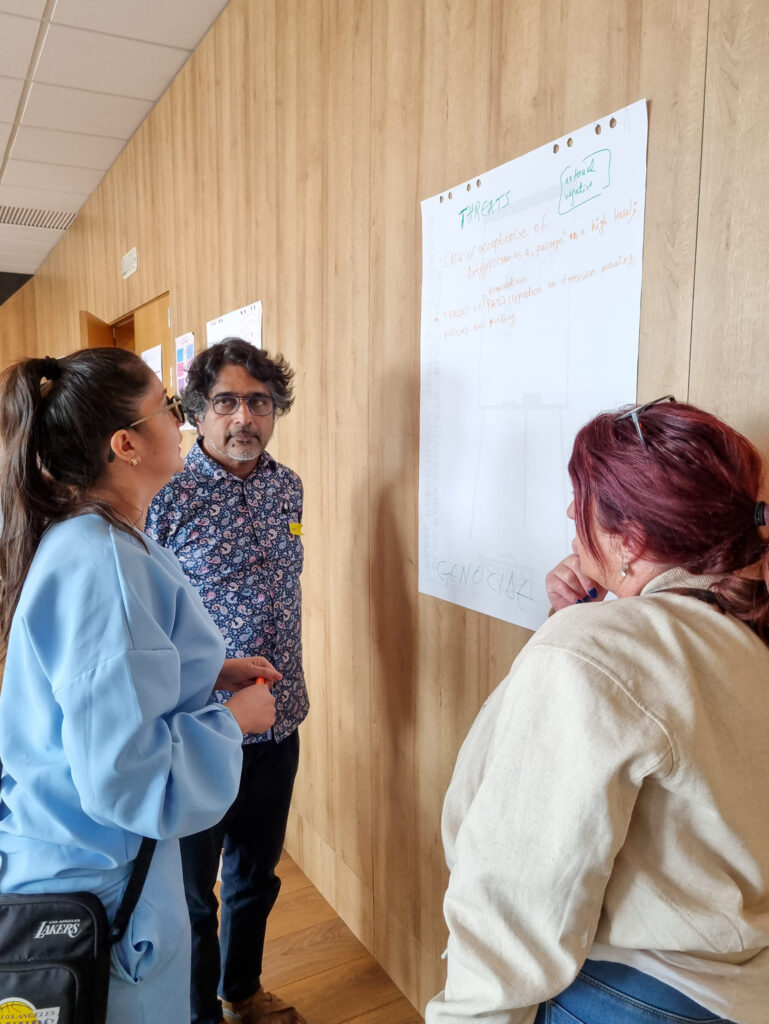
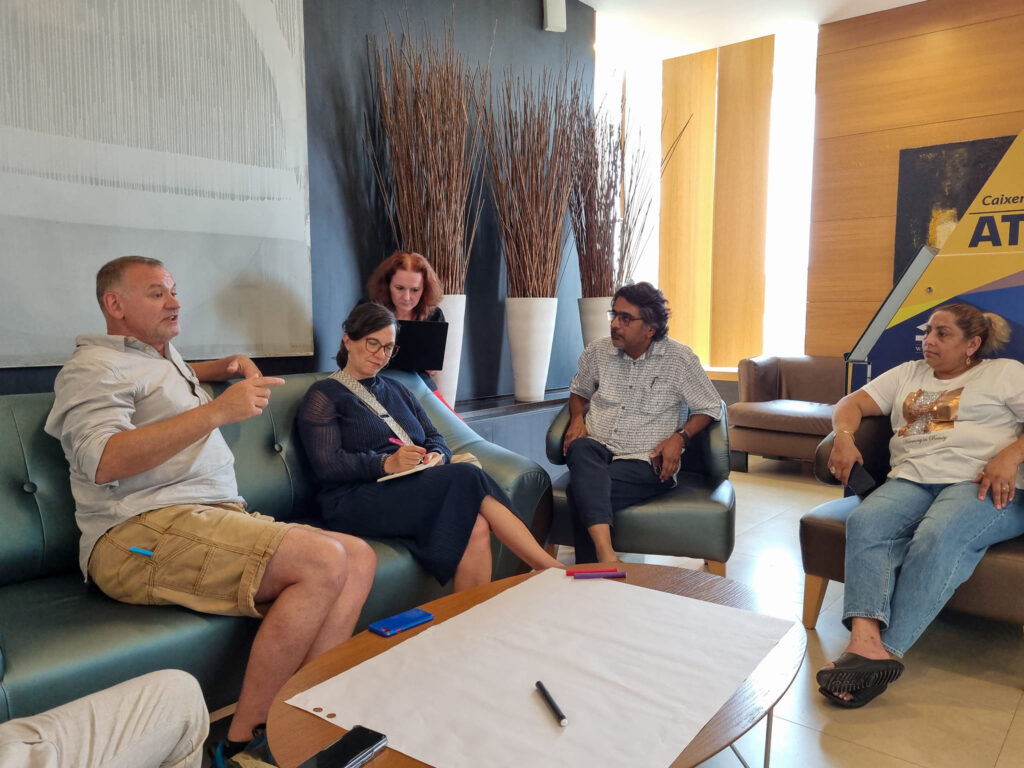
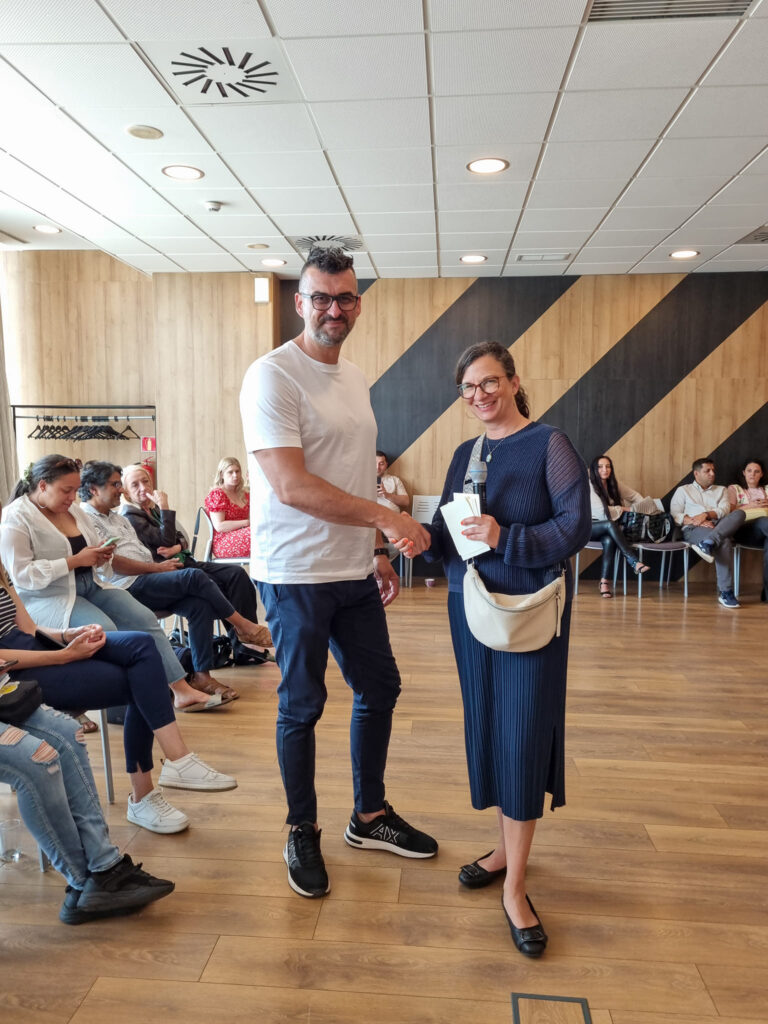
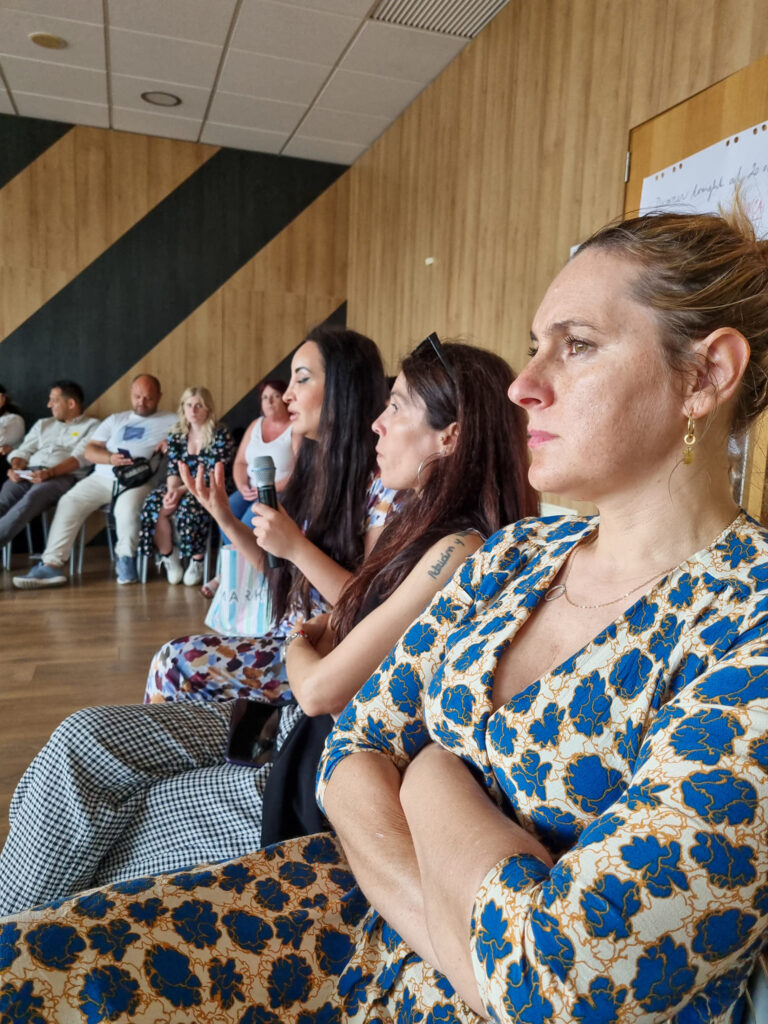
ERGO Network General Assembly 2024: Shaping the Future in Barcelona

ERGO Network General Assembly 2024: Shaping the Future in Barcelona

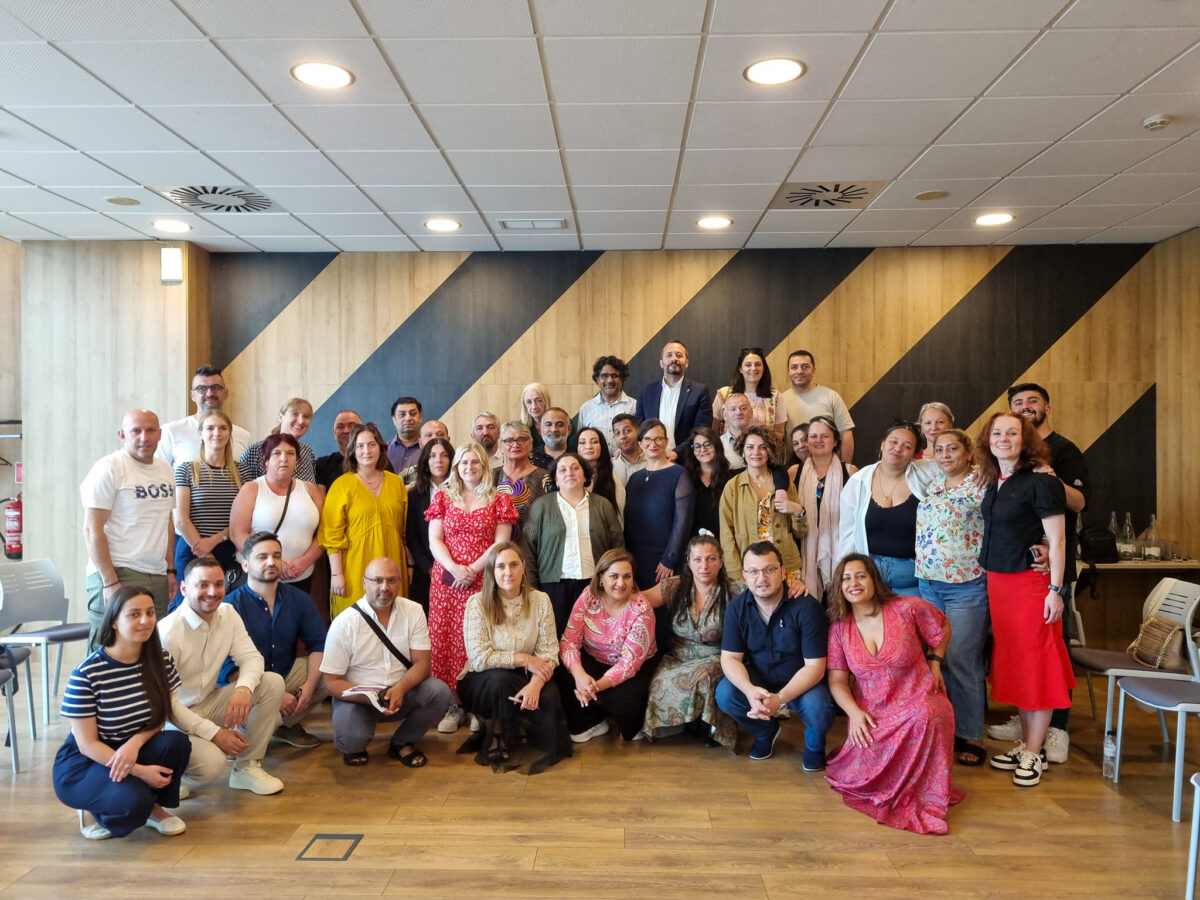
ERGO Network held its annual General Assembly from June 18 to 21, 2024, in Barcelona, Spain. This year’s assembly, hosted by the Federació d’Associacions Gitanes de Catalunya (FAGIC), was particularly momentous as members gathered to chart the network’s strategic direction up to 2030.

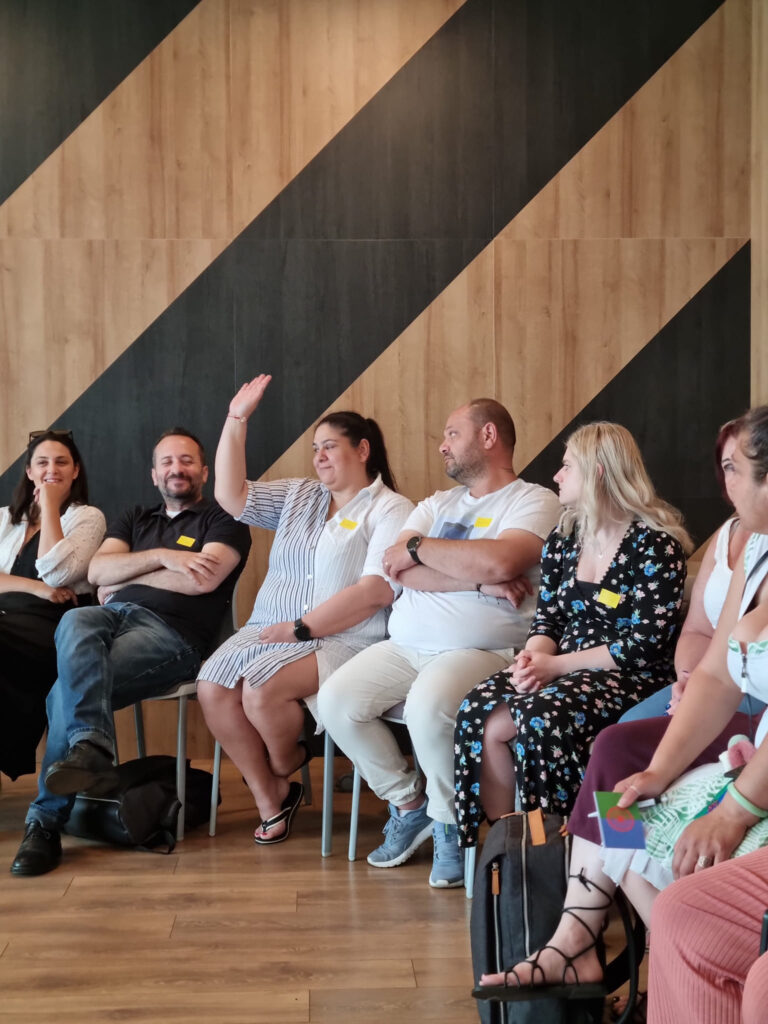
The assembly brought together representatives from 25 European countries. Over two packed days, the participants engaged in discussions, strategic planning, and exchanges aimed at fortifying the network’s future.

Strategic Planning for 2030

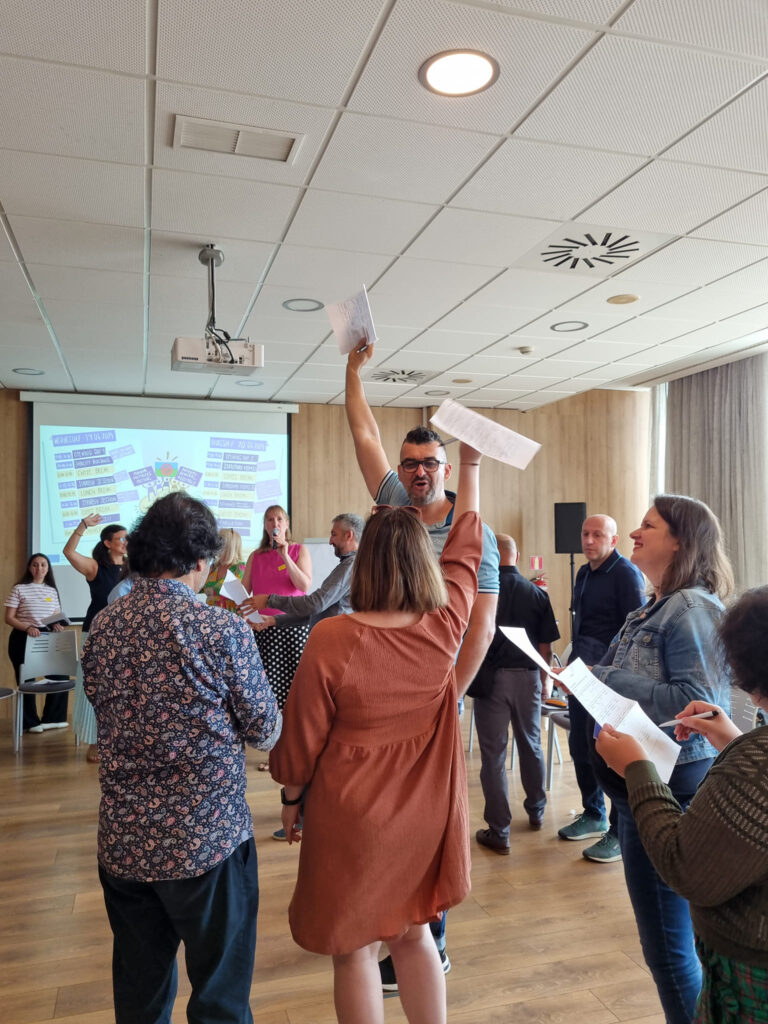
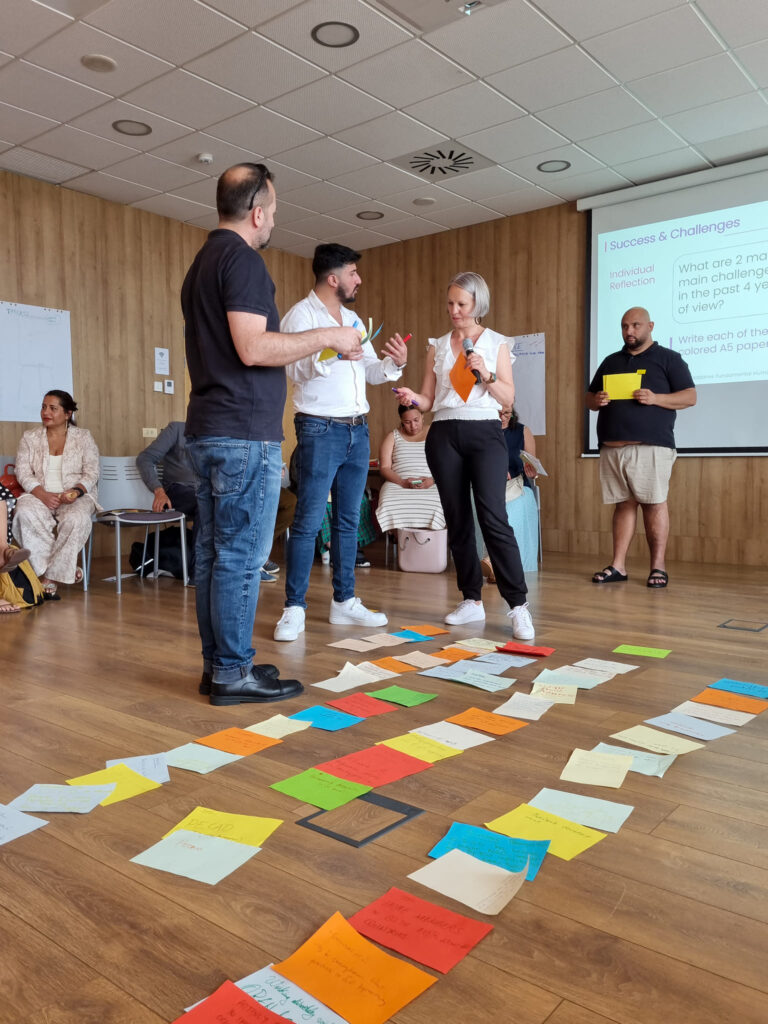
A significant portion of the assembly was dedicated to the initial phase of crafting ERGO Network’s strategy for the next six years. Cristina Rigman, an independent strategy consultant, moderated three sessions focused on defining the network’s long-term vision, understanding its role, and enhancing member engagement.

Cristina’s sessions facilitated reflections on the network’s successes and challenges, the core values guiding our mission, and the collective aspirations for 2030. These dialogues were essential in aligning views and setting a foundation for the network’s strategic roadmap.

Capacity Building and Membership Strategy

In addition to strategic planning, the assembly featured a capacity-building session titled “I Work, You Work, WE NETWORK,” which aimed to strengthen connections among member representatives and clarify opportunities for engagement within the network.

Membership strategy also took centre stage, with Martina Horváthová presenting the objectives and principles guiding ERGO Network’s membership framework. The session highlighted the importance of a robust membership strategy to ensure the network’s growth and sustainability.

The discussion underscored the need for solidarity and mutual support among members. Representatives from Zero Discrimination (Türkiye) and Chiricli (Ukraine) shared their visions for continued cooperation, while La Voix des Rroms (France) offered their support in direct work with evicted Roma communities.

Elections and New Members

The General Assembly also elected a new board member. Dragan Joković, from Otaharin, Bosnia and Herzegovina, was elected, bringing his extensive experience and dedication to the board.

New associate members were welcomed, including Romni APS (Italy), Suomen Romaniyhdistys (Finland), and Trajosko Drom (Sweden) and this inclusion is expected to strengthen the network’s reach and impact across Europe. Videos from new members can be found online here.

We also approved the change of status for our members Sastipen (Romania) and Roma Women Platform ROMNI (Moldova) to full members. Three new Friends of ERGO were also approved: Monika Mihaličková (Czechia), Biser Alekov (Belgium), and Stanislav Daniel (Slovakia).

Field Visit and Cultural Exchange

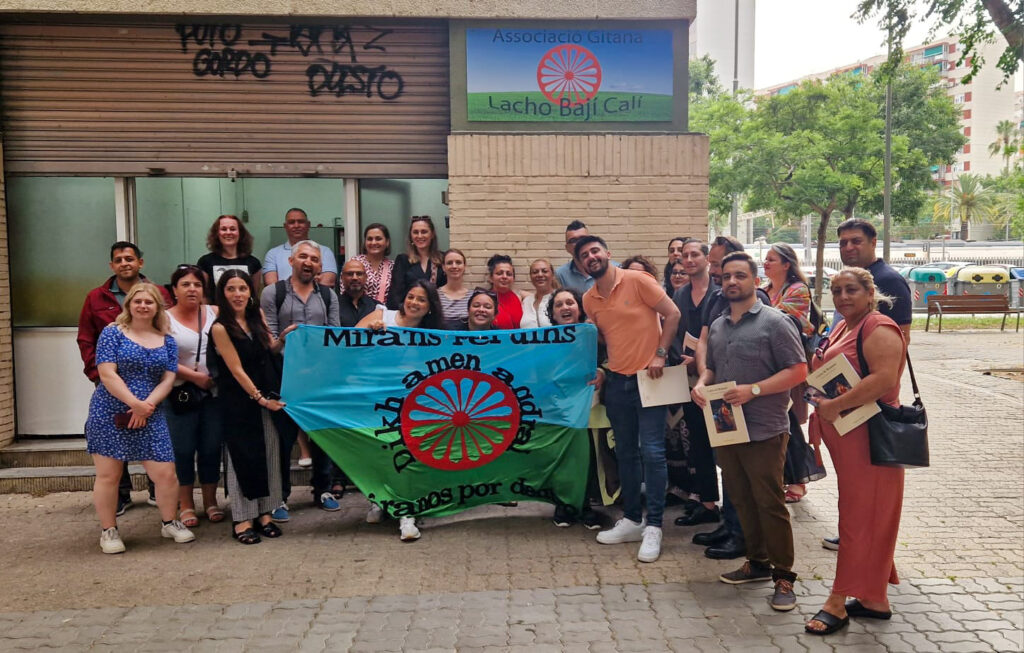
A highlight of the assembly was a field visit to Lacho Baji Cali, a local grassroots organisation in L’Hospitalet de Llobregat, Barcelona. Led by the Roma leader Ms Mercedes Gómez, the visit offered a firsthand look at the organisation’s efforts in supporting Roma community members through education and cultural initiatives. This visit provided insights into successful local activism and community engagement.

Conclusion and Future Outlook

The 2024 General Assembly concluded with reflections on the shared experiences and a call to action for the coming years. Gabriela Hrabaňová, ERGO Network Director, expressed her gratitude to all participants and extended an invitation to the next General Assembly, planned in Prague in spring 2025.

The ERGO Network General Assembly 2024 in Barcelona was a testament to the collective effort and strategic vision. As we fine-tune the strategy and look towards 2030, the foundations laid during these sessions promise to strengthen the solidarity among Roma communities across Europe.

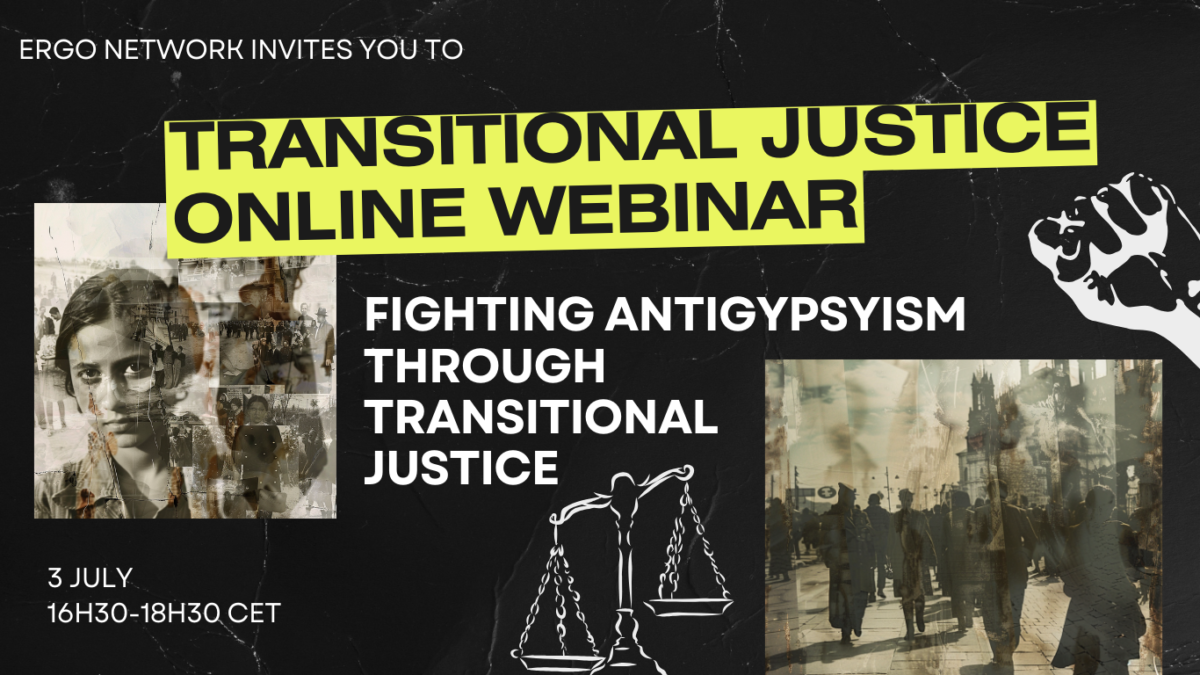
Transitional justice online webinar 

Transitional justice online webinar: 
Fighting antigypsyism through addressing transitional justice processes

🗓️Date: 3 July 2024

🕒 Time: 16h30-18h30 CET

🌐 Location: Online

Watch this event LIVE here!

The Roma have suffered atrocious injustices throughout time, where perpetrators have acted with impunity and were unpunished by state authorities and little awareness by the general public. Atrocities include the Holocaust, dictatorial regimes, forced sterilisations, forced evictions, policies aimed at cultural elimination, segregation in education and housing, inhuman conditions and overall exclusion from societies where they live.

In today’s Europe, despite developments in human rights legal frameworks, many Roma across Europe are still faced with the consequences of the past. Specifically, ongoing antigypsyism and serious human rights abuses. These past injustices have not been adequately addressed and corrected.

Thus, Transitional justice processes are needed. These processes can respond to systemic human rights violations through judicial redress, political reforms, and other measures to prevent the recurrence of human rights abuses, provide redress to victims, and create opportunities for the transformation of the political systems, conflicts, and other conditions that may have been at the root of the abuses.

In this webinar, we would like to further discuss the current political and social context in Europe after the June European elections, as well as ongoing or upcoming challenges that would either facilitate or block ongoing discussions about setting up transitional processes for Roma in Europe and answer some of the crucial questions about whether, when, and how to embark on a path toward a peaceful, just, and inclusive future for Roma in Europe through a transitional justice path. The webinar will also discuss the specific cases of Germany, Romania, and Spain in more detail.

We’re looking forward to counting you among the online participants!

ERGO Network has recently also launched Jekhipe project which addresses some of the key structural and institutional obstacles in achieving justice and equality for Roma in practice by tackling the lack of acknowledgement of Roma as victims of historical injustices such as slavery or the Holocaust and the set-up or adequate compensations and reconciliation processes; or the lack of access to services and rights; the lack of Roma museums and institutional representation of Roma in arts and culture; the lack of Roma history teaching etc.

For more information about ERGO Network’s work on transitional justice, please contact Jekhipe Project Coordinator Marko Pecak.

This webinar has received financial support from the European Union. Views and opinions expressed are however those of the author(s) only and do not necessarily reflect those of the European Union or Citizens, Equality, Rights and Values Programme. Neither the European Union nor the granting authority can be held responsible for them.

`
Ana Rozanova – Page 8 – ERGO Network

By continuing to use the site, you agree to the use of cookies. more information

The cookie settings on this website are set to "allow cookies" to give you the best browsing experience possible. If you continue to use this website without changing your cookie settings or you click "Accept" below then you are consenting to this.

Close