Substandard Romani settlements across Europe: Environmental racism and disinvestment
We are happy to showcase the work of our partners in the Global Forum of Communities Discriminated based on Work and Descend. It sheds light on the situation of Roma living in substandard Romani settlements, which can take different forms such as slums, shanty towns, ghettos, squats, dwellers, etc.
This report aims to illustrate some of the key challenges and living conduction in such sub substandard Roma settlements across Europe and raise awareness of the slow violence of state disinvestment towards such communities.
This report has been coordinated by Simona Torotcoi (GFoD, Romania), with the collaboration of Fatos Kaytan (Romani Godi Association, Turkey), Slobodan Stankovic (Central European University, Serbia) and Albert Memeti (Romalitico Institute for Policy Analysis, N. Macedonia).
Discrimination based on Work and Descent (DWD) affects more than 270 million people worldwide. Communities Discriminated on Work and Descent (CDWD) can be found on all continents: Dalit communities in South Asia and Buraku in Japan, Roma communities in Europe, Haratin, Osu and other communities in West Africa and Quilombola or Palenque communities in Latin America.
DWD is a unique form of discrimination characterized by social exclusion based on inherited status and ancestral occupation. Rooted in notions of “purity and pollution,” DWD often manifests in practices of untouchability and systemic marginalization. As a result, CDWD face daily harassment, violence, and extreme discrimination in accessing fundamental rights such as employment, education, healthcare, and housing.
Imagine being denied the opportunity to live in a preferred neighbourhood solely because of social stigma linked to your identity. For CDWD identity-based groups, this scenario is not just hypothetical but a grim reality. Forced into separate settlements away from mainstream communities, CDWD individuals endure systemic segregation and deprivation.
The concept of “purity pollution” perpetuates the marginalisation of CDWD communities, relegating them to isolated areas devoid of essential services. Roma communities in Europe often inhabit suburban settlements lacking basic amenities like water and sanitation. Similarly, Quilombos in Latin America are secluded in remote mountainous regions with limited state support.
Spatial segregation extends beyond physical separation, encompassing social distancing and systemic barriers. CDWD individuals are often barred from using the same roads and facilities as dominant populations, further entrenching their marginalization.
Scholarly research, such as Picker’s analysis of Roma segregation in European cities and Vincze’s exploration of marginal urban housing areas, sheds light on the mechanisms perpetuating CDWD exclusion. However, many studies have historically “blamed the victim” instead of addressing systemic inequities.
This report delves into the plight of Roma communities residing in substandard settlements across Europe, highlighting the egregious forms of discrimination they endure. From slums and shanty towns to ghettos and squats, these settlements epitomize the slow violence of state disinvestment.
By raising awareness of the challenges faced by CDWD communities, this report advocates for systemic change to dismantle discriminatory structures and uphold the rights of all individuals, regardless of their descent or occupation.
Global Forum of Communities Discriminated on Work and Descent (GFoD)

Global Forum of Communities Discriminated on Work and Descent (GFoD) is the global coordination and engagement mechanism for the Stakeholder Group of Communities Discriminated on Work and Descent (SG CDWD). Both were founded in 2021 and formally recognise the core motto of ‘Leave No One Behind’ propounded by Transforming Our World: the 2030 Agenda for Sustainable Development, which ensures Planet, Peace and Prosperity for all, especially those who are marginalized through generations and suffered social prejudices for life of dignity and peace.
In case you are selected, your participation will be confirmed by the end of July at the latest, and you will need to confirm your participation by purchasing your travel tickets.
We invite young Roma and non-Roma to apply for our six-day youth meeting, a study session, to empower them as ambassadors for the “Decade to Counter Antigypsyism.” We welcome young people who already have some experience and who are able and ready to implement their own small projects to counter antigypsyism after they are back home.
We welcome applications from all candidates, regardless of gender, disability, marital or parental status, racial-ethnic or social origin, religious belief, or sexual orientation.
Objectives:
To introduce human rights concepts and the concept of antigypsyism to Roma and non-Roma young people
To support young people in recognising the manifestations and consequences of antigypsyism
To share successful approaches to challenging antigypsyism by making use of the CM Recommendation on Roma Youth Participation and the standards on combating antigypsyism from ECRI and the Committee of Ministers.
To empower participants to implement local educational projects to counter antigypsyism
To give young Roma and their non-Roma allies the opportunity to strengthen their support networks
Profile of the participant:
have some first experience in the area of combating antigypsyism or racism more broadly;
motivated to develop their competencies and to share their experiences with other participants;
aged 18 – 30 (exceptions are possible);
committed to attend for the full duration of the course;
able to work in English;
resident in a member state of the European Cultural Convention of the Council of Europe.
Location: The study session will take place in the European Youth Centre in Budapest (Hungary) from 8.-15. September 2024 (travel days are 8th and 15th September). The Youth Centre is run by the Council of Europe and frequently hosts youth programmes. It is uniquely equipped to make our stay as pleasant and enjoyable as possible.
Logistics: The Council of Europe covers all travel and programme costs via reimbursement of real costs. The participation fee is 50 euros and will be deducted from your travel reimbursement. We will provide all participants with a detailed information sheet.
BACKGROUND OF THE EVENT & DECADE AGAINST ANTIGYPSYISM
In the last years, ERGO Network, ternYpe – International Roma Youth Network, and other partners of the “Alliance against Antigypsyism” have achieved great progress in the recognition of antigypsyism on the European political level. The European Roma Grassroots Organisations Network (ERGO) with its member organizations in Central Europe and the Western Balkans and the Alliance want to address the current situation of many Roma in Europe with the large-scale campaign “Decade to Counter Antigypsyism” which started in 2022 targeting the general public, to raise awareness for antigypsyism and contribute to changing attitudes towards Roma in the majority society.
By registering for this event, you agree that your photographs might be taken and published by ERGO Network or ternYpe International Roma Youth Network in our online and print publications and social media for the purpose of sharing updates from the event.
Empowering communities: ERGO Network exchange visit to Bulgaria
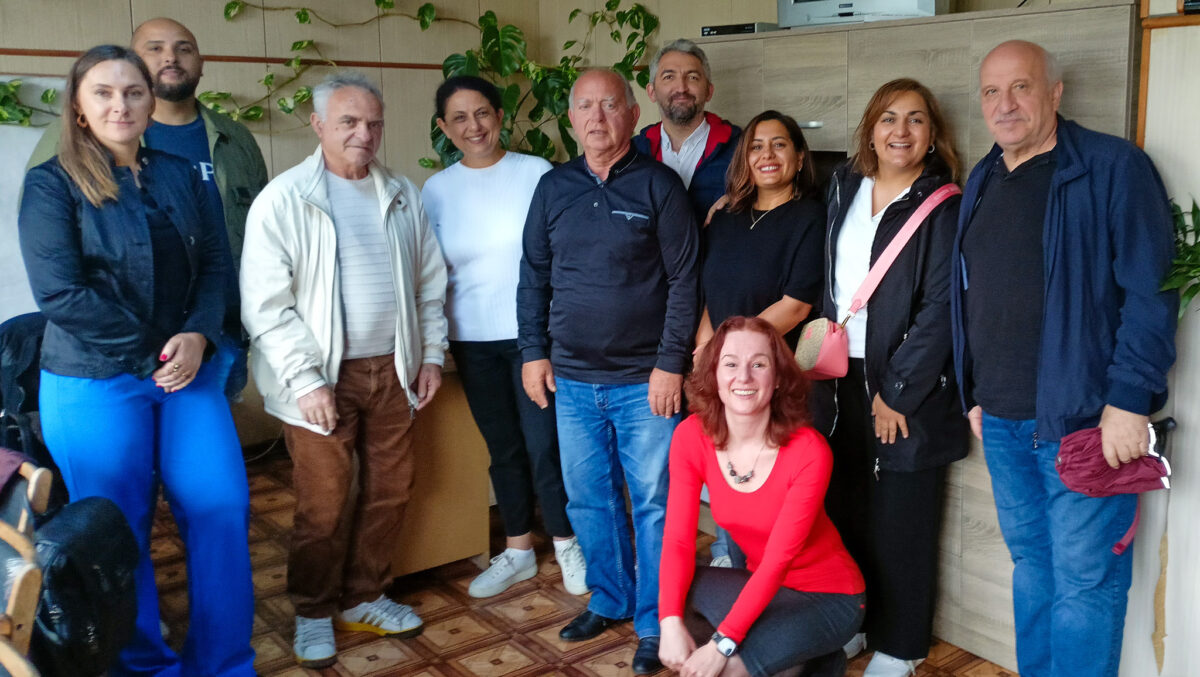
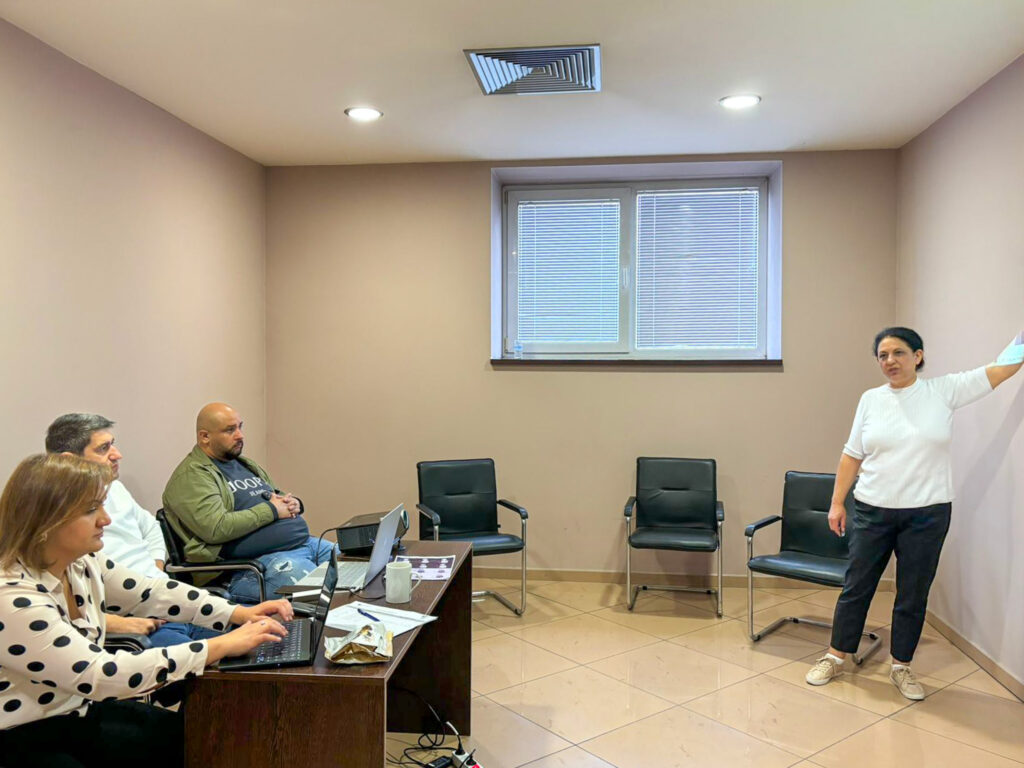
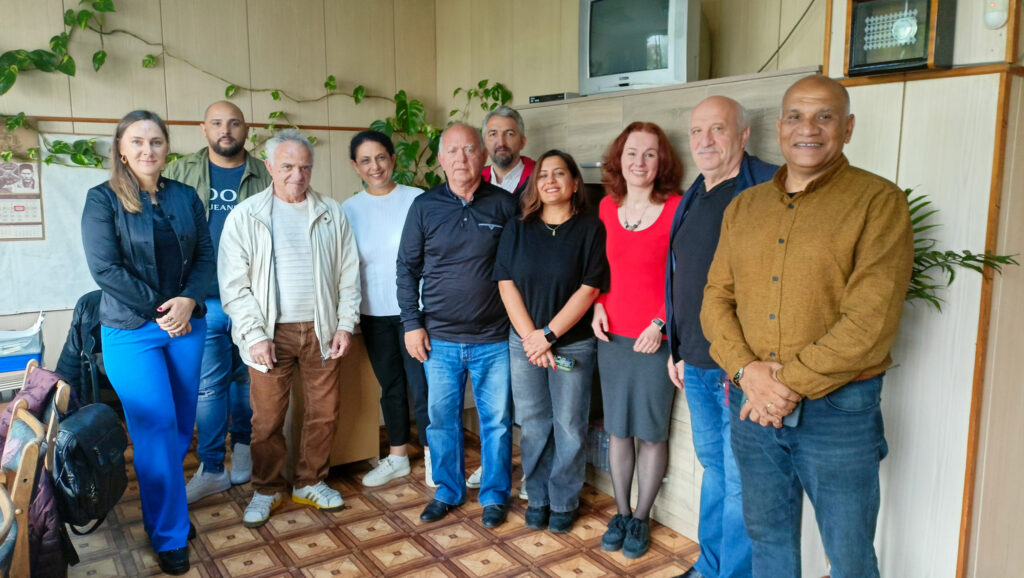
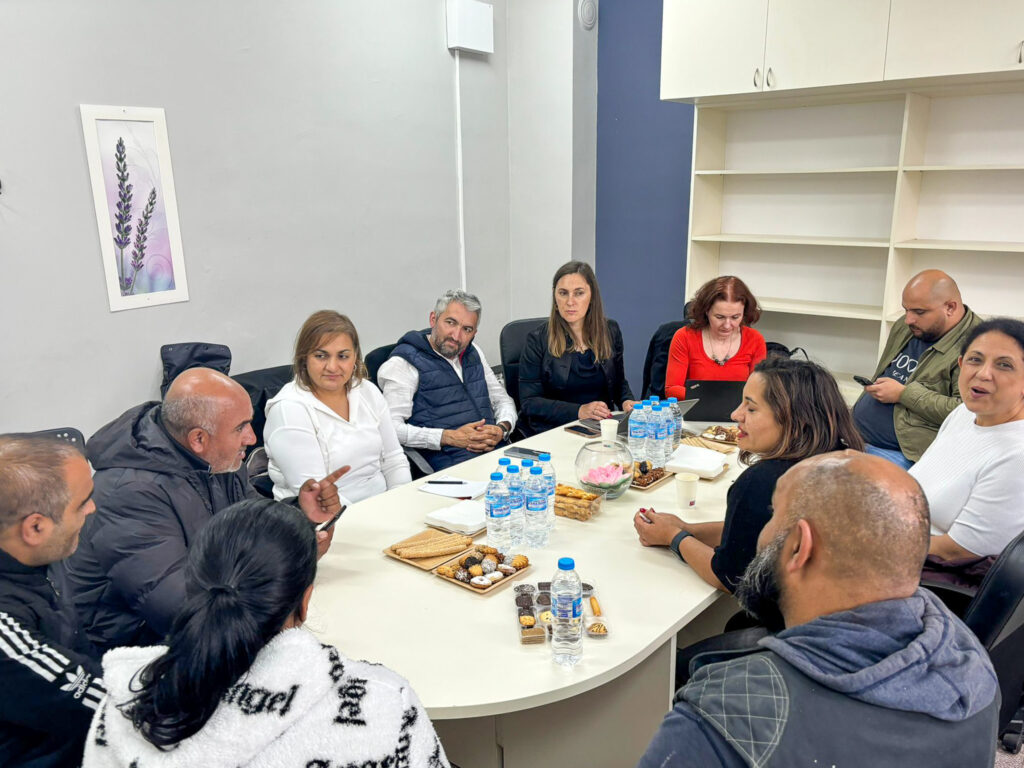
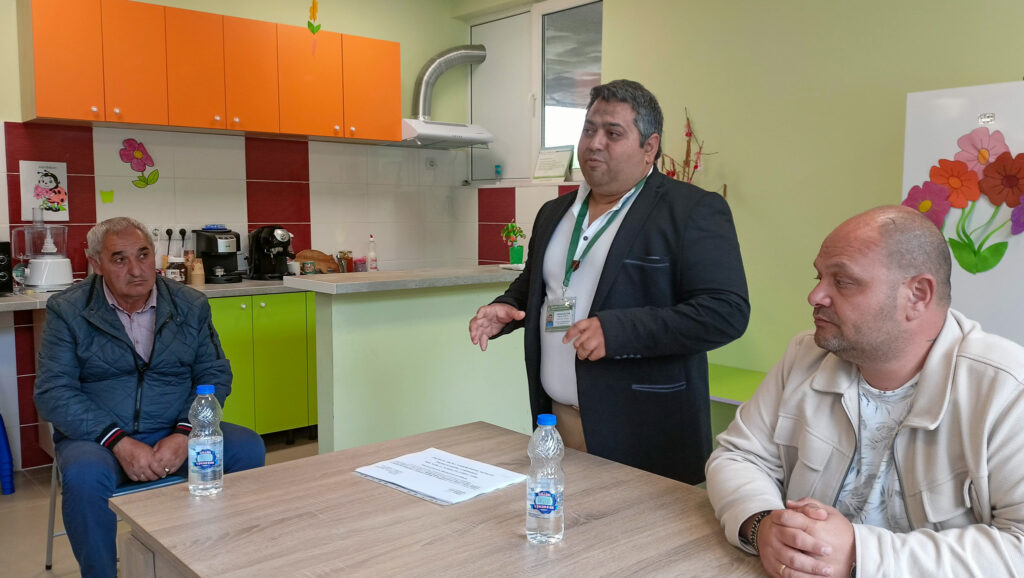
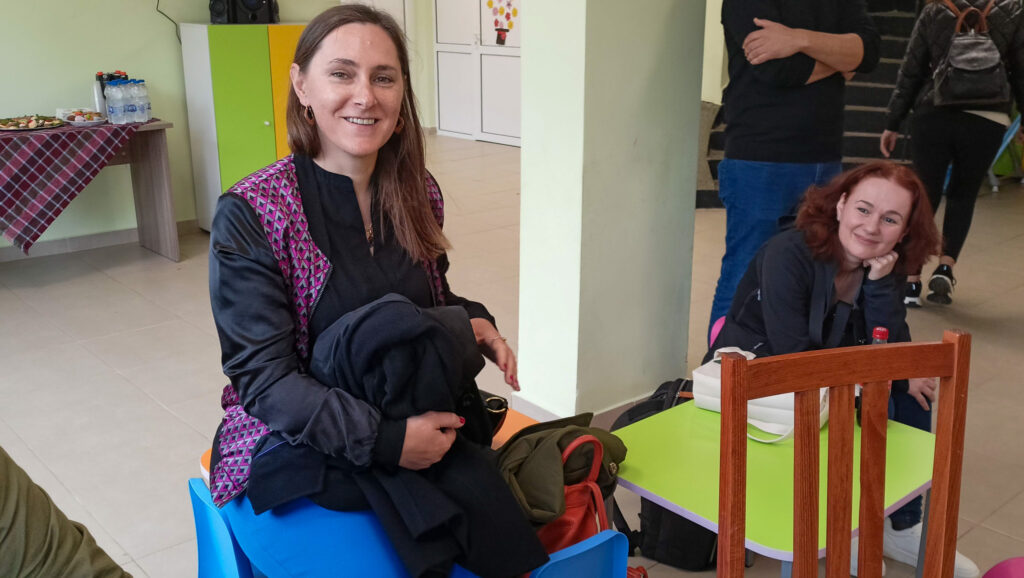
From May 14 to 17 2024, representatives from ERGO Network Secretariat and several members gathered in Bulgaria for an enriching exchange visit to Integro Association. The visit aimed to foster understanding, share best practices, and strengthen ties among organizations dedicated to Roma empowerment and anti-racism efforts.
Learning more about Integro Association
The Integro Association emerged organically in 1997 during a period of hyperinflation, when Roma communities were facing starvation. Desperate for help, they turned to Lili, a local doctor, to assist them in accessing social support and advocating for land to practice agriculture. From its inception, Integro identified antigypsyism as the root cause of the dire living conditions faced by Roma communities.
Since then Integro has become a key player in shaping public discourse on Roma issues in Bulgaria. The association is a coalition of various small organisations, with 10 NGOs currently represented on its Board. Despite the challenges of limited funding and leadership at the grassroots level, exacerbated by the emigration of many capable Roma, Integro has built a robust network of NGOs and alliances.
The Board is composed entirely of Roma members, reflecting Integro’s commitment to representation. The core team consists of six permanent employees and approximately 15 mentors, community workers, and facilitators. Hiring Roma staff is crucial, as community members are more likely to trust and follow those who share their backgrounds and experiences. Roma involvement in needs assessment is a fundamental aspect of Integro’s approach.
Discussion: the ROMACT program of the CoE and its impact in Bulgaria, Romania, and Czechia.
Integro’s mission centres on empowering Roma communities and fostering community leadership, with a strong emphasis on securing the commitment of local authorities. The association is dedicated to combating antigypsyism, celebrating Roma culture, and eradicating poverty.
Their projects and activities span a wide range of initiatives aimed at community empowerment and youth development. They run awareness campaigns to support Roma empowerment and manage the ROMACT Programme, which enhances financial literacy and involves local budget processes. They advocate for basic income guarantees and strive to improve access to secondary education. School debate clubs and job opportunities for NEETs (Not in Education, Employment, or Training) are also part of their comprehensive strategy.
Integro actively engages in advocacy with both local and national authorities, leading campaigns to reduce prejudices and diligently monitoring and reporting hate speech. They conduct extensive research, produce case studies, and provide policy analyses and recommendations. Additionally, they offer training and consultation services, all aimed at building a more inclusive and equitable society for Roma communities.
Did you know that Integro also was one of the founding members of ERGO Network?
Isperihovo’s Transformation: A testament to effective local governance
Isperihovo, a municipality with 2,500 residents — half of whom are Roma — has undergone significant transformations under the leadership of its long-serving mayor. Now in his 13th year and third term, the mayor has spearheaded a series of initiatives aimed at improving infrastructure and services critical to the community’s well-being.
Under his mandate, families now have access to water and water meters, facilitated by an innovative payment plan with the water company to prevent outstanding balances. This development was paired with the introduction of a sewage system, ensuring that homes now have internal plumbing.
Roads throughout the village have been significantly upgraded, with almost all of them asphalted or concreted, including reinforced concrete for durability. Public lighting for streets has also been installed, funded by the ROMACT Programme, enhancing safety and visibility at night. Gas, however, remains unaffordable for many households.
Monthly visits from publicly funded social workers help residents access social protection services without the need to travel. There are 140 recipients of social protection in the village, illustrating the critical support system in place.
Educational support is robust, with mediators available for both kindergarten and primary school. The primary school serves 140 children (mostly Roma), as the Bulgarian residents in the village are primarily seniors without school-aged children.
Healthcare access has also been a priority. Every resident has a medical practitioner and a dentist, supplemented by regular visits from specialists including cardiologists, internists, and physiotherapists. However, many Roma remain uncovered by health insurance, particularly those working in the informal economy. This gap is not only financial but also reflects a broader issue of trust.
In a bid to support self-sufficiency, Roma families have been allocated land to farm and produce vegetables. The mayor has emphasised a pragmatic approach to problem-solving, finding alternative solutions where standard ones were unattainable. This includes using concrete instead of asphalt, extending water pipes to illegally built houses, and ensuring regular visits from social workers.
The community has now requested the installation of public surveillance to reduce crime, including drug abuse, reflecting a proactive stance towards maintaining and enhancing the safety and security of Isperihovo’s residents. This comprehensive approach highlights the village as a model of community-led improvement and resilience.
Empowering Peshtera: A Model of Roma Community Leadership
In Peshtera, a town of 20,000 residents with a substantial Roma population of 8,000, the Integro Association has made significant strides by investing in local community leaders through empowerment seminars and other initiatives. A pivotal figure in this effort is Mr Yuksel, a highly effective community organiser whose mobilisation efforts began in 2007 in response to discrimination. At that time, Roma were barred from entering restaurants and bars in Peshtera and the nearby town of Orešak, prompting a wave of self-organisation that led to the formation of Community Councils.
The momentum gained from these efforts culminated in a historic achievement: the election of the first Roma representatives to the city council, with three Roma councillors among the 21-member council. This breakthrough facilitated several key advancements:
A new city ordinance was enacted, prohibiting all forms of discrimination in public spaces and penalizing violations. The municipality established three new positions for Roma specialists, who act as mediators and facilitators between the Roma community and local authorities.
A landmark case was taken to the International Human Rights Court in Strasbourg regarding the demolition of illegally built Roma houses, resulting in municipal investment in infrastructure for Roma-inhabited areas.
Since then, the regional administration has organised biannual roundtables involving stakeholders and Roma community members to discuss local budgeting processes and other issues. These efforts have attracted substantial investment, and the Fund Peshtera was established with 2.5 mln euros from the Trust for Social Achievements to address the housing needs of Roma. The presence of three Roma councillors and regular engagement with the mayor at the community centre highlights the ongoing commitment to inclusive governance.
Incorporating Roma into the Local Development Strategy was a challenging endeavor, but ultimately successful. Local Roma received training on how to participate in budget processes and monitor the strategy’s implementation. The community council plays a crucial role in deciding land allocations, prioritizing individuals with stable incomes—either from abroad or within Bulgaria—and those from overcrowded households. This approach not only addresses immediate housing needs but also generates income that can be reinvested into further infrastructure improvements.
Supporting Early Childhood Education: The Mothers’ Centres in Litakovo
During our visit to Litakovo and Skravena, the mayor of Litakovo warmly welcomed us in the village home to 1,850 residents. The village boasts a kindergarten for children aged four to seven, and the recently established mothers’ centre plays a crucial role in preparing Roma children for this educational milestone.
Many Roma in the area live in challenging conditions, often relying on seasonal work such as mushroom or blueberry picking. Educational attainment is low, and basic amenities like showers and washing machines are often absent. Recognizing these hardships, Integro has supported Julian, a local Roma community facilitator, in developing his leadership skills. Julian now coordinates the Mothers’ Centre project, funded by EEA and Norway grants, which facilitated the construction and initial operations of these essential facilities across three villages.
The mothers’ centres offer a safe haven and early education for children under four and their parents. Parents can participate in activities with their children or leave them at the centre while attending to other responsibilities. These centres provide comprehensive services, including:
Kindergarten preparation
Educational mediators
Nurses
Teachers and pedagogical experts
Psychologists
Access to washing machines and showers
Sleeping rooms to acclimate children to kindergarten routines
The positive impact of these centres is evident, with local kindergartens reporting that children from the mothers’ centres are better prepared for school. As the initial grant funding concludes in April 2024, the municipality has committed to financing the centres from the communal budget, though securing funds to maintain all three centres by 2025 remains a significant challenge.
The majority of the centre staff are Roma from the local communities, many of whom have been inspired to further their qualifications in child education. This initiative not only supports early childhood education but also empowers Roma community members, fostering a cycle of growth and development.
A Commitment to Future Collaboration
The exchange visit to Bulgaria allowed us not only to get to know our member Integro Association better but also reinforced the commitment of all participating organisations to collaborate and support each other in our shared mission. The experiences and insights gained during this visit might inform future strategies and actions aimed at fostering inclusive and empowered Roma communities across Europe.
The launch of the new project “Together Against Antigypsyism Online” in Reșița, Romania: Combating Hate Speech on the Internet
Reșița, Romania, April 18-20, 2024 – The kick-off meeting of a new project, “Together Against Antigypsyism Online,” took place in Reșița, Romania. This project aims to counter antigypsyism and hate speech on the internet. It will run for two years, from March 2024 to February 2026. The project’s objectives are to collect data on online hate speech, develop policy advice, improve national and EU-level instruments, enhance cooperation, advocate for better enforcement, raise awareness, report hate speech incidents, and train content creators to change the narrative about the Roma online.
The “Together Against Antigypsyism Online” project is a collaboation between several organizations, including Nevo Parudimos, Integro Association, Amaro Drom, Romaversitas, Roma Advocacy and Research Centre, Romea, and ERGO Network. This project follows the PECAO project, which was implemented by ERGO Network members from 2020 to 2022.
Additionally, the project aims to involve Roma civil society in formulating perspectives on new developments in the digital society that impact Roma, increase the number of reported incidents of hate speech against Roma, enhance awareness among non-Roma civil society and human rights actors about online hate speech against Roma, and empower content creators to change the narrative on Roma online.
This project is very important because it aims to develop a network of civil society organizations that fight against and monitor hate speech against Roma in partner countries (Romania, Czechia, Bulgaria, Hungary, and Slovakia) and at the European level under the coordination of ERGO Network.
The project is funded by the European Commission through the Citizens, Equality, Rights, and Values program, contract no. 101143111. It will impact three distinct groups of people: policymakers, multipliers, and young people.
For more information about the project activities, you can contact:
Call for Solidarity Corps volunteer in ERGO Network
ERGO Network is looking for an enthusiastic and active young Roma to join our office team in Brussels for 10 months in theframework of the European Solidarity Corps.
When: 1 volunteer from September 2024 – June 2025 (10 months)
Where: ERGO Network office in Brussels, Belgium
Who: Young Roma professional between 18 and 30
Deadline for applications: 20th May 2024
During your time in ERGO Network, you will learn about international advocacy, help us organise international meetings and events and get actively involved in Roma activism and international Roma networks in Brussels. We are looking for a young person to stay with us until the end of June 2025
Your tasks will be defined together with you depending on your interests and skills, but can include:
Communication and campaigning: Support the implementation of our campaign “Decade against antigypsyism;” contribute to the update of the ERGO Network and RomaReact websites and social media channels; develop creative approaches and publicity work to promote our activities and mission and a positive image of Roma.
Youth participation and non-formal education: Representation of ERGO Network in Roma youth events, facilitation of workshops and seminars
Advocacy and policy: Support ERGO staff in EU advocacy work on social policies and anti-discrimination policies; attend debates, hearings and meetings with other stakeholders to challenge stereotypes and racism, build partnership with Roma and non-Roma organizations from Belgium and other European countries.
Meetings and events: Assist in the organisation of the International Roma Day 2025 in Brussels and the EU Roma Week 2025, and contribute to the organisation of meetings, events and international seminars of ERGO Network and its partners.
Your profile:
Young Roma between 18 and 30 years
Good English language skills, both oral and written (At least level B1)
Computer literacy (experience with Microsoft Office package and social media)
Highly motivated to learn more about Roma activism and advocacy work and to contribute to a small but very active European NGO
Previous involvement in Roma or (pro) Roma NGOs will be considered an advantage
Reliable, well-organised and with attention to detail
You will work 37.5 hours per week (including an online language course if desired). Working hours will be from Monday to Friday between 9:00 – 17:00. However, working hours can be adapted to your needs and the activities you will be involved in.
We aim to support young people who are enthusiastic about our cause and want to gain experiences that can be later transferred to national or local NGOs. We especially welcome applications from people motivated to challenge stereotypes, antigypsyism, and racism and who show an open attitude to a unique learning and life experience and a volunteer spirit of creativity, initiative, responsibility, and independence.
We offer:
An allowance of 1200 Euro that includes money for accommodation, meals, local transport, language course and pocket money
Travel costs to Brussels
Health insurance for the whole year (offered through the ESC scheme, additional to the EHIC card of your country)
On-arrival and mid-term training with other Solidarity Corps volunteers and lots of learning and development opportunities with ERGO Network and our partners
Access to an online French course offered to European Solidarity Corps volunteers
An exciting and unforgettable experience working for a multicultural international organisation in the capital of Europe!
We will interview shortlisted candidates and will make our decision by 30 June at the latest. If the selected volunteer is from outside the EU, we will apply for a “volunteer work permit” and support you in the visa application process.
Before coming to Brussels, we will support you in finding accommodation and help you get ready for your time with us.
Do not hesitate to contact us for more information at m.horvathova@staging.ergonetwork.org.
Please also feel free to contact our current volunteer Siljana Hyseni (s.hyseni@staging.ergonetwork.org) for any questions you would like to ask from future to current volunteer 😊.