ERGO Network Study Visit to La Voix des Rroms

ERGO Network Study Visit to La Voix des Rroms

26-28 March 2025, Paris, France

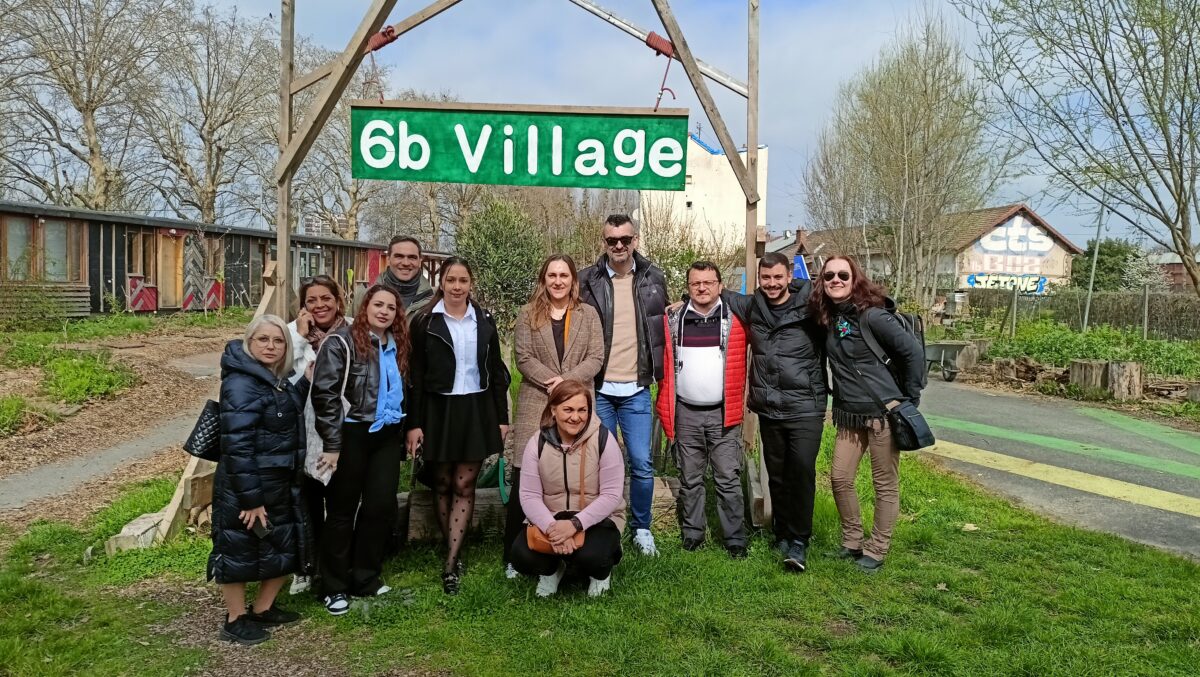
In March 2025, some of our members participated in a three-day study visit to Paris hosted by our French member, La Voix des Rroms. The trip provided an opportunity to learn more about our members and other grassroots initiatives, explore the rich cultural heritage of Roma in France, and reflect on the ongoing struggles and resistance of Roma communities.

Remembering and resisting: Médiathèque Matéo Maximoff

The study visit began at the Médiathèque Matéo Maximoff, a cultural institution dedicated to Roma history and literature. Established in 1949 and managed by FNASAT, the library serves as a resource for Roma heritage, holding books, films, vinyl records, and the extensive archives of its namesake, Matéo Maximoff. A pioneering Roma writer, Maximoff documented Roma life and resilience, leaving behind 8,000 photographic slides that continue to inspire new generations.
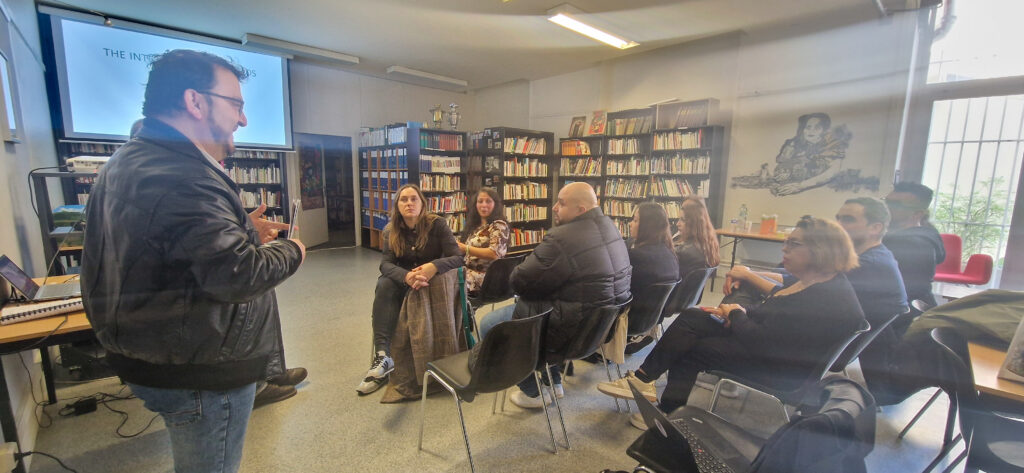
Participants were moved by stories of the Nazi-era internment of Roma in France, a tragic history marked by forced confinement and discrimination that persisted long after World War II. The visit reinforced the importance of preserving Roma narratives, also as a means of advocating for justice.

Inclusion in action: Les Enfants du Canal

At Le Mesnil, participants engaged with Les Enfants du Canal, an initiative supporting Roma migrants from Romania. Founded in 2007, the organisation provides housing, employment opportunities, and educational workshops. A fixed address is essential in France to access basic rights, and the project has successfully assisted 86 families in securing stable housing and employment.


The visit allowed participants to meet Roma families, witness the living conditions in supported housing, and discuss the integration challenges. Conversations underscored the need for sustainable policies that empower Roma migrants rather than marginalising them.

Roma resistance and activism: La Voix des Rroms

La Voix des Rroms, a key ERGO Network member, has been at the forefront of Roma activism in France. The organisation has championed Roma resistance since 2010, advocating against evictions, mediating with public authorities, and providing legal support. Their small but dedicated team works tirelessly to combat discrimination and promote Roma rights.
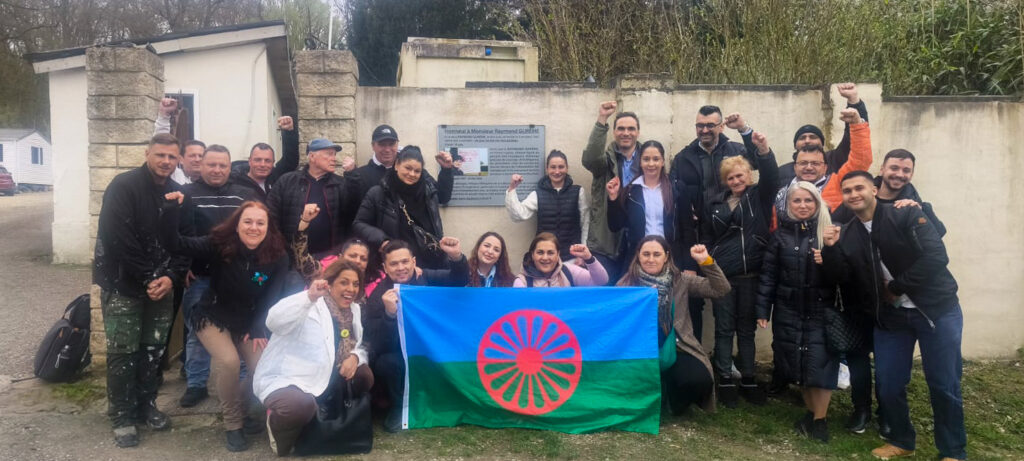
During the visit to their office at 6B in Saint-Denis, discussions revolved around the financing of Roma NGOs, the role of young people in activism, and the challenges of maintaining independence from government influence. The dynamic exchange sparked ideas for future collaborations and reinforced the importance of grassroots advocacy.

Honouring the past: A tribute to Raymond Gurême
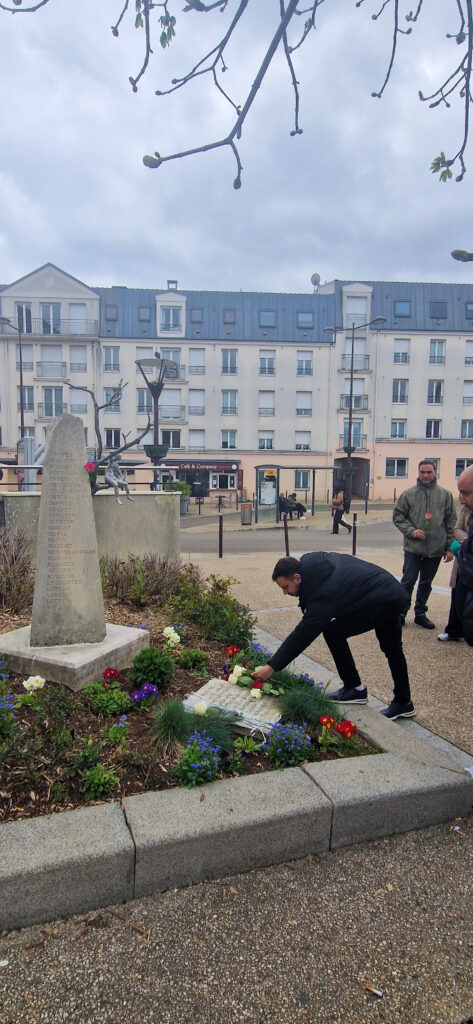
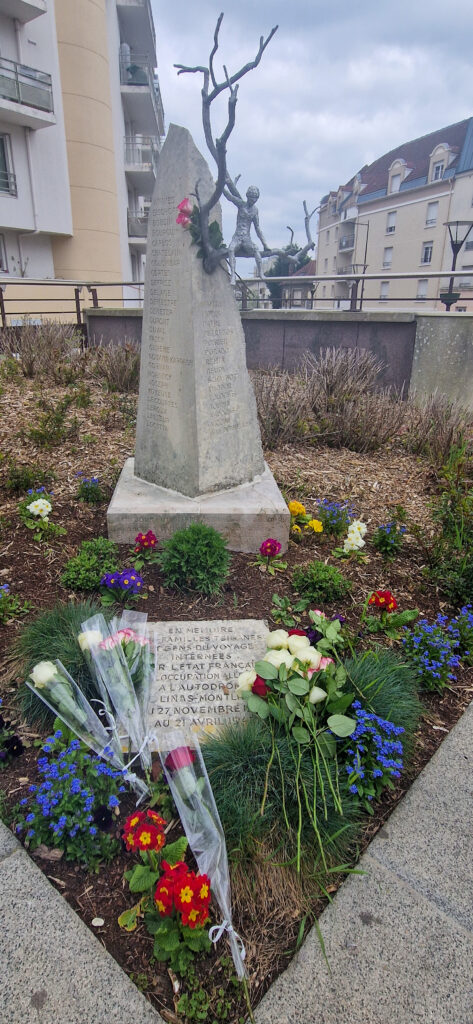
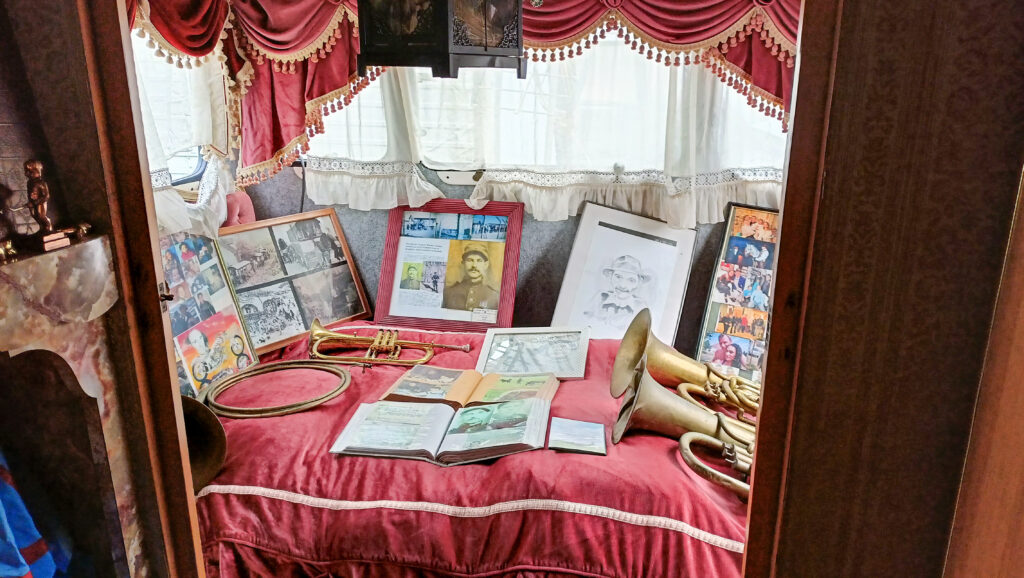
A particularly emotional moment of the visit was the tribute to Raymond Gurême, a Roma resistance hero who survived Nazi persecution and spent his life fighting against antigypsyism. At Brétigny-sur-Orge, participants laid flowers at the memorial for interned Roma and met Gurême’s family, who welcomed them warmly at their home. Seeing his preserved caravan, where he lived until his passing, was a powerful reminder of the resilience and dignity of Roma communities.
Reflections and moving forward

Beyond the official visits, the group explored Paris, unfolded the Roma flag at the Eiffel Tower, and engaged in deep conversations about the similarities and differences between Roma experiences across Europe. The study visit strengthened our connections and let us better understand not only the realities of Roma in France and the work of La Voix des Rroms but also other European realities.
Statement on the International Day for the Elimination of Racial Discrimination

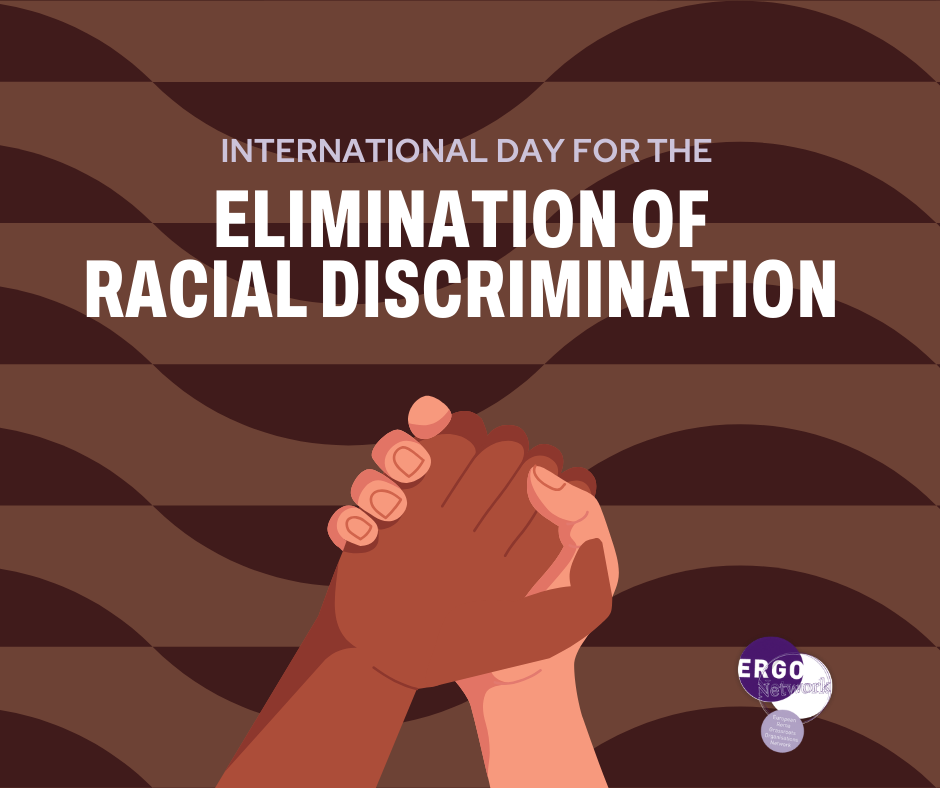
ERGO Network Statement on the International Day for the Elimination of Racial Discrimination

For centuries, Roma communities across Europe have faced systemic discrimination, marginalisation, and racism. As we mark the International Day for the Elimination of Racial Discrimination on 21 March, we at ERGO Network reaffirm our commitment to fighting racism in all its forms and advancing justice and equality for Roma and all racialised communities in Europe. This year’s commemoration takes place in a particularly critical context, with far-right movements on the rise, civic space under attack, and racialised communities facing escalating discrimination, criminalisation, and exclusion.

Current challenges

Despite the European Union’s commitments under the EU Anti-Racism Action Plan (EU ARAP), systemic racism remains deeply entrenched across Member States. Roma communities continue to experience widespread antigypsyism, facing barriers in housing, education, employment, and healthcare. At the same time, anti-migrant policies and racialised policing disproportionately impact Black, Muslim, and other racialised communities, reinforcing a hierarchy of oppression that divides rather than unites our struggles.

In these challenging socio-political times, when major global powers compete against each other, racialised minorities often find themselves caught in the crossfire. Human rights issues and anti-racism efforts risk becoming political pawns rather than moral imperatives. This reality underscores why authentic solidarity across communities is not merely beneficial—it is essential.

As ERGO Network Advocacy Officer Isabela Mihalache put it: “I believe our fight for racial justice is not just for the benefit of any single group, but for the dignity and rights of all marginalised communities. Only through coming together, understanding our shared struggles, and working in solidarity can we pave the way for meaningful, lasting change. This is a collective journey towards a world where all racialised people can experience dignity, equality, and the freedom to live without fear or discrimination.”

ERGO Network’s engagement in anti-racism initiatives

This is why ERGO Network is actively engaged in the Anti-Racism and Diversity Week 2025 (ARDW25), a key civil society-led initiative coordinated by the European Network Against Racism (ENAR). ARDW25 is an opportunity to challenge the EU’s inadequate response to systemic racism and push for a bold, intersectional, and decolonial approach to racial justice.

The European elections of 2024 signalled growing political threats to racial justice, with increased securitisation, austerity, and restrictions on civic engagement. Civil society’s role in holding institutions accountable has never been more vital in this context. ARDW25 serves as a platform to demand a transformative EU Anti-Racism Strategy post-2025 that centres the voices of all racialised communities, addresses colonial legacies, treats all forms of racism equally, ensures synergies with specific equality policy frameworks, and establishes sound monitoring and evaluation mechanisms to ensure meaningful policy change, rather than mere performative commitments.

Challenges within civil society

The roundtable discussions highlighted a troubling trend of fragmentation among civil society organisations and advocacy groups. When we compete against each other for resources, visibility, or political favour, we inadvertently reinforce the systems we seek to dismantle.

“Whether it’s Palestine today, Congo tomorrow, or Roma communities the next day—we must lift each other, keeping each other not just in our thoughts but also firmly in our hands,” emphasised Isabela Mihalache.

From words to action

For Roma communities, solidarity cannot remain theoretical. We have experienced firsthand how isolation makes us vulnerable to rights violations and discrimination. Our approach must be practical and sustained:

  1. Create collaborative platforms that bring together diverse voices against racism
  2. Develop unified messaging that resonates across cultural and social boundaries
  3. Organise joint demonstrations that show the strength of our collective resolve
  4. Establish rapid response networks to react swiftly to discrimination incidents
  5. Build relationships daily, not just during designated events or observances

We recognise that vulnerability, when shared, becomes strength. Acknowledging our different but connected struggles creates a foundation for genuine solidarity.

On this International Day for the Elimination of Racial Discrimination, we call upon governments, international institutions, civil society organisations, and individuals to:

  • Recognise antigypsyism as a specific form of racism affecting Roma communities across Europe
  • Support intersectional approaches to combating racism that acknowledge multiple and overlapping forms of discrimination
  • Fund grassroots initiatives that promote cross-community solidarity and cooperation
  • Ensure that Roma voices lead conversations about their own experiences and solutions

By standing together—not just in our thoughts but in our actions—we can create a Europe where racial discrimination becomes a relic of the past rather than a daily reality for millions. According to Isabela: “It is a unique privilege to work together in this struggle, and we look forward to bringing more voices, more groups, and more perspectives into this vital conversation.”

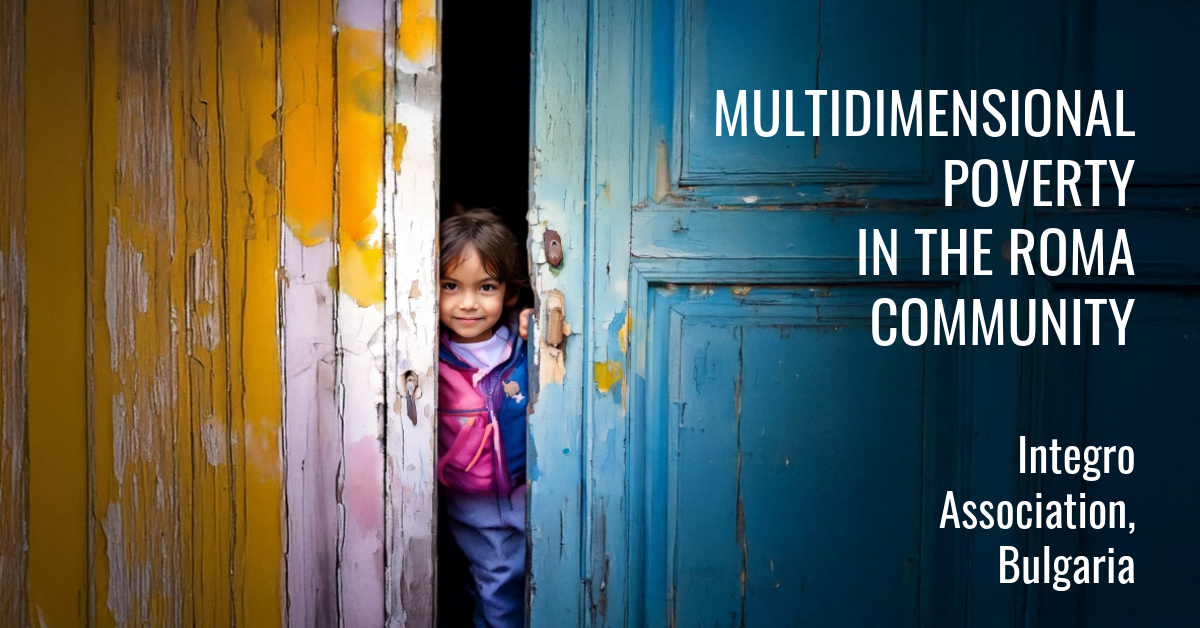
Breaking the Cycle: Roma Families Trapped in Multidimensional Poverty

Breaking the Cycle: Roma Families Trapped in Multidimensional Poverty

This is an article presenting the research prepared by Integro Association, Bulgaria,  given the subgrants under the ERGO sub-granting scheme 2024, funded by the EU

For many Roma families in Bulgaria, poverty is not just about the lack of income—it is a web of deprivation that extends into education, healthcare, housing, and employment. A new research report by Liliya Makaveeva, an ERGO Network member in Bulgaria Integro Association, based on case studies from ten municipalities, reveals the stark reality of multidimensional poverty among Roma communities and calls for urgent, integrated policy solutions.

The study, conducted between March and July 2024, combines in-depth interviews with Roma families, local mediators, and municipal representatives with statistical data from the Statistics on Income and Living Conditions (SILC) 2023. The findings paint a grim picture: 65% of Roma in Bulgaria live below the poverty line, compared to 14.3% of ethnic Bulgarians. However, income alone does not explain the depth of hardship Roma communities face.

This project was implemented using a grant from ERGO Network’s financial support to third parties through its Annual Work Programme ‘Roma Equality, Inclusion and Participation 2025’, funded by the Citizens, Equality, Rights and Values Programme (CERV) of the European Commission.

More Than Just Money: The Poverty Trap

The research highlights that poverty among Roma is multidimensional—it encompasses poor housing conditions, exclusion from social services, lack of access to quality healthcare, and systemic discrimination in education and employment. While many families rely on social benefits, the support is minimal and often comes with strict conditions that fail to reflect the reality of their struggles.

For example, children from low-income Roma families are regularly sanctioned with reduced social assistance when they miss school, even if absences are due to extreme poverty—such as lacking shoes or winter coats. A 36-year-old mother from Novi Pazar explains: “My daughter missed school because she had no coat. When I finally got a loan to buy one, it was too late—they had already cut our benefits.” Instead of helping families escape poverty, punitive measures further entrench their exclusion.

Housing Without Security, Healthcare Without Access

The lack of legal housing status exacerbates the crisis. Many Roma settlements exist outside regulated urban areas, meaning residents have no formal ownership and cannot access basic utilities such as running water or waste collection. The consequences are dire: entire neighbourhoods rely on makeshift water sources, and open sewage drains pose severe health risks.

Healthcare access is another major challenge. Many Roma lack health insurance due to irregular employment or the inability to pay past contributions, leaving them unable to see a doctor. Even those with insurance face discrimination in medical facilities. The study documents cases where hospitals refuse to acknowledge severe disabilities, preventing individuals from accessing state support. One man with a colostomy was repeatedly denied disability certification, trapping him in a cycle of poverty and medical neglect.

Employment Barriers and Generational Poverty

Employment services are failing Roma communities. The report finds that while many Roma are registered with Employment Offices, they rarely receive job offers, training opportunities, or meaningful career support. Many Roma rely on precarious, informal jobs with no contracts or security.

Even when work is available, discrimination remains a significant barrier. Employers frequently reject Roma applicants or impose unnecessary education requirements for low-skilled jobs. Women, particularly mothers, face additional barriers due to the lack of childcare options and rigid work schedules.

Urgent Call for Change

The report concludes that Bulgaria’s current social policies are not only failing to alleviate Roma poverty—they are actively reinforcing it. The study’s authors call for a radical shift:

  • Tailored, long-term support instead of punitive sanctions
  • Legalising and improving housing conditions in Roma settlements
  • Ensuring universal healthcare access, regardless of insurance status
  • Combating labour market discrimination and providing real employment pathways
  • Creating integrated social services that address the multiple dimensions of poverty

Poverty in Roma communities is not a personal failure—it is a systemic issue. Without immediate policy changes, the cycle of deprivation will continue for generations. As the report clarifies, breaking this cycle requires more than financial aid; it demands a fundamental shift in how Bulgaria approaches social justice and equality for all its citizens.

If you have any further questions about this application, drop us an email at info@staging.ergonetwork.org.

Mother-Tongue Education Should Empower Roma Children—Not Segregate Them

Mother-Tongue Education Should Empower Roma Children—Not Segregate Them

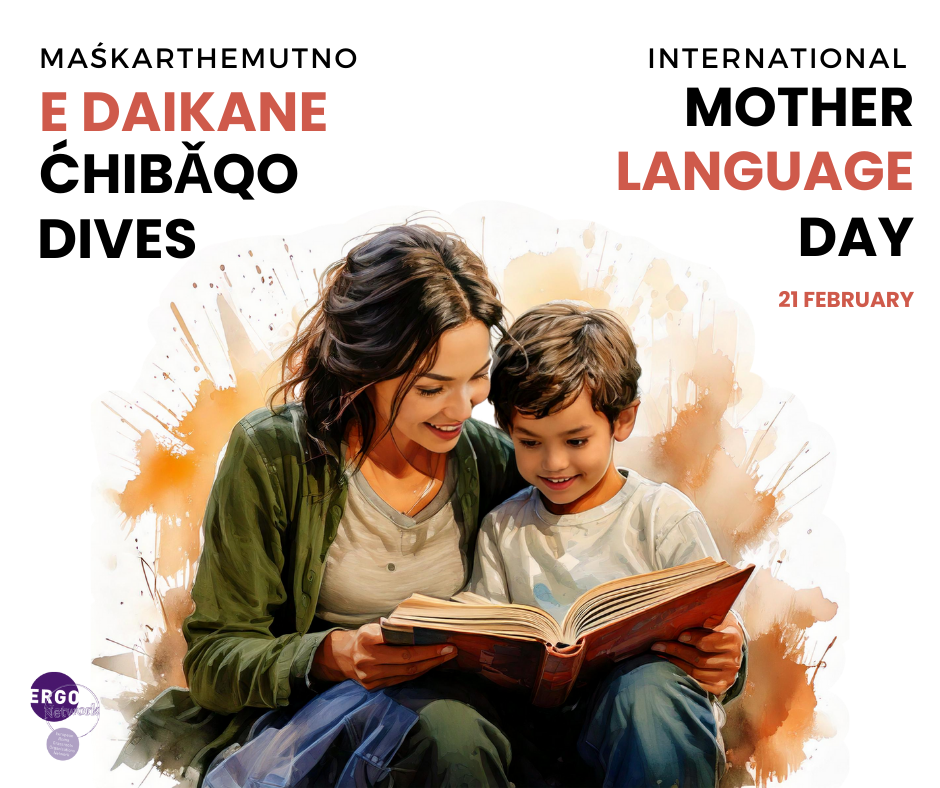
International Mother Language Day is a celebration of linguistic diversity and the right to education in one’s native tongue. For many minority communities, learning in their mother language is not just about education—it is about identity, self-esteem, and cultural survival. This is especially true for Roma children, whose language and culture have long been marginalised across Europe.

“We have seen times and times again how mother-tongue education can strengthen cultural identity and increase self-confidence. When children are taught in a language they understand, they are more likely to engage with lessons, perform better in school, and stay in education longer. Not to mention that the Roma, who faced centuries of discrimination, deserve a right to a structured and well-supported system of Romani language education.” – says Gabriela Hrabanova, director of the ERGO Network.

Slovakia’s recent move to establish a Roma minority school in the municipality of Rakúsy appears, at first glance, to be a step in this direction. The Slovak government argues that Roma children deserve education in their language, just like other minority groups, such as the Hungarian community. They also point to international commitments, such as the European Charter for Regional or Minority Languages, which encourages the inclusion of minority languages in education.

But there is a crucial difference between meaningful mother-tongue education and policies that, intentionally or not, reinforce segregation. Unlike the Hungarian minority, whose schools are well-resourced and integrated into the national education system, Roma children in Slovakia already face systemic barriers to quality education. Many are placed in separate or lower-quality schools, often justified by claims about their linguistic or cultural needs. The concern is that the establishment of Roma minority schools could institutionalise this segregation under the guise of cultural preservation.

The problem is not mother-tongue education itself but how it is implemented. International human rights standards make clear that minority education must be voluntary, equal in quality to mainstream education, and provide the choice of integration. However, in Rakúsy, Roma representatives were not formally consulted before the school was established. Roma rights organisations fear that rather than empowering Roma children, this initiative could limit their access to mainstream education and future opportunities.

More concerning are Slovakia’s plans to amend legislation on minority schools. If any school incorporating minority language instruction is reclassified as an “ethnic school,” it could legitimise existing segregated schools rather than address the root causes of educational inequality. Instead of truly supporting Roma children, these policies risk deepening exclusion.

“We are not disputing the right to education in one’s mother tongue, but we are disputing how this right is implemented in Slovakia. First and foremost, the initiative should come from the representatives of the Roma minority and not from the position of the Slovak Ministry of Education. There is reason to be concerned that the recent change in legislation on minority schools in Slovakia may lead to the covering up of segregation behind minority schools”, says Zuzana Havirova, director of Roma Advocacy and Research Centre, Slovakia.

At its core, this issue is not just about language or education—it is about antigypsyism. The long history of discrimination against Roma, not only in Slovakia but all across Europe, means that even well-intentioned policies can be manipulated to maintain systemic exclusion. What should be a tool for empowerment—education in one’s mother tongue—can become a means of segregation if not implemented with genuine inclusion in mind.

Antigypsyism turns the meaningful act of mother tongue education into yet another instrument to further persecute and discriminate Roma and perpetuate the vicious circle of lack of education, poverty and exclusion. Minority language education should not come at the cost of quality of education and inclusion.

The aim is not to reject mother-tongue education but to implement it in a way that strengthens Roma children’s identity while ensuring they receive the same quality of education as their non-Roma peers. The governments must engage meaningfully with Roma communities, ensure minority language education does not come at the cost of integration, and address the deeper structural discrimination that continues to hold Roma children back.

Mother-tongue education should be a right that uplifts, not a policy that excludes. Ensuring that Roma children have access to both their language and equal opportunities in education is the real test of Europe’s commitment to minority rights.

Equality betrayed: Commission unilaterally gives up on anti-discrimination law

Equality betrayed: Commission unilaterally gives up on anti-discrimination law

European Civil Society condemns the European Commission’s announcement to withdraw the proposed Directive on anti-discrimination as a betrayal of fundamental rights at a critical moment for democracy and equality in the EU.

On 12 February, the Commission publicly announced its intention to withdraw the proposal for the Equal Treatment Directive. This legislative measure aims to close legal gaps in EU anti-discrimination law. The EU Charter of Fundamental Rights and EU Treaties prohibit discrimination based on gender, racial or ethnic origin, religion or belief, disability, age, and sexual orientation. However, existing EU anti-discrimination legislation results in a hierarchy of protection where some forms of discrimination are more comprehensively addressed than others. The Equal Treatment Directive sought to harmonise these protections, ensuring a horizontal approach to equality.

This week’s decision severely undermines the EU’s commitment to building a Union of Equality at a time when marginalised communities require greater protection than ever. The withdrawal of the proposed Directive leaves a glaring gap in EU law, failing to protect young people, older persons, LGBTIQ+ persons, persons with disabilities or those facing discrimination based on religion or belief when accessing goods and services, housing, healthcare, social protection or education. It also does not sufficiently protect individuals who experience discrimination on the basis of race or ethnic origin and sex/gender in combination with these grounds.

The Commission’s intention to withdraw it, without consulting with civil society and without presenting any alternative plan on how to better ensure comprehensive protection against discrimination outside the labour market in the EU, sends the wrong political message.

Furthermore, this withdrawal goes against EU’s fundamental values enshrined in its treaties and disregards the support of the European Parliament, civil society, Equality Bodies and international organisations.  It is also at odds with the European Commission’s repeated commitment to building a “Union of Equality” and undermines the Polish Presidency’s priorities.

Scrapping this directive without introducing a stronger and more comprehensive alternative at such a critical time when discrimination and rights violations are on the rise undermines the EU’s credibility as a global leader in human rights. It sends a clear message that those living in the EU will not be shielded from the worldwide backlash against equality, democracy and fundamental rights. It is not enough for the Commission to reverse its course. Member States must also step up and finally agree on an ambitious law that fights discrimination. 

It is especially concerning that while the far-right is on the rise everywhere in Europe, the Commission chooses to sacrifice the human rights of citizens in what appears as a dangerous political gamble. In times of hatred and fear-mongering, we need more human rights protection, not less.

For this reason, we urge the European Commission to:

  • Reconsider its intention to withdraw the Equal Treatment Directive;
  • If the withdrawal proceeds, immediately propose a more robust and comprehensive legislative proposal that takes an intersectional approach, along with a clear timeline;
  • Immediately engage in meaningful consultation with the European Parliament, civil society, Equality Bodies and EU citizens to determine the necessary action to achieve true equality;
  • Make an unequivocal commitment to making the Union of Equality a reality for all of us.

We also call on:

  • The Polish Presidency to hold an urgent and public Council meeting for the Commission to explain this decision
  • The European Parliament to hold a public hearing with the European Commission on the decision and future steps to ensure protection against discrimination for all people living in the EU

Signatories:

  • Eurocentralasian Lesbian* Community (EL*C)
  • European Roma Grassroots Organisations Network (ERGO Network)
  • Organisation Intersex International Europe e.V. (OII Europe)
  • The International LGBTQI Youth & Student Organisation (IGLYO)
  • European Network against Racism (ENAR)
  • ILGA-Europe
  • European Disability Forum (EDF)
  • AGE Platform Europe (AGE)
  • Trans Europe and Central Asia (TGEU)
`
Ana Rozanova – Page 3 – ERGO Network

By continuing to use the site, you agree to the use of cookies. more information

The cookie settings on this website are set to "allow cookies" to give you the best browsing experience possible. If you continue to use this website without changing your cookie settings or you click "Accept" below then you are consenting to this.

Close