We are hiring a Coordinator for Ukraine

Position: Coordinator for Ukraine

ERGO Network is hiring a part-time (up to 80%) Programme Coordinator (Ukraine) to join its team in Brussels.

ERGO Network

ERGO Network (www.ergonetwork.org) brings together 27 members from across Europe and supports organisations with a common perspective on Roma grassroots empowerment and equal citizenship to challenge stereotypes and combat stigmatization. We mobilize and connect organisations and individuals that share and express our values – active citizenship, shared responsibility, and passion – to strengthen Roma civil society involvement in decision-making at local, national and European level and to address existing shortcomings of policies targeted at Roma.

Since the outbreak of the war in Ukraine, ERGO Network and its members have been very strongly engaged in supporting Ukrainian Roma through material aid, coordination with other partners and advocacy for better addressing antigypsyism towards Ukrainian Roma refugees. Thanks to a grant of the European Programme for Integration and Migration (EPIM), we can now hire a dedicated programme coordinator for one year to strengthen this important work.

Roles and responsibilities

We are searching for a Coordinator for our work to support Roma refugees from Ukraine with strong project management and coordination skills to:

  • Act as a hub for strategic and operational relationships with and between ERGO Members, including the Ukrainian Roma Women Fund Chiricli, other Roma and pro-Roma civil society organisations, humanitarian organisations, IGOs and European institutions for effective coordination of responses to the situation of Ukrainian Roma.
  • Support members in order to ensure the active engagement and representation of ERGO Network and Chiricli in EU policy-making regarding the war in Ukraine.
  • Provide technical inputs to documentation, training modules, tools and other resources produced by ERGO Network regarding the situation of Ukrainian Roma refugees and IDPs.
  • Closely monitor the situation in Ukraine and recipient countries regarding the situation of the Roma impacted by the conflict and provide updates to the team on contextual changes to promote informed decision-making and create linkages.
  • With support from ERGO Members, consolidate data from different assessments/analyses about the situation of Ukrainian Roma and feed it into relevant policies – such as Rebuild Ukraine or Humanitarian Response Plans-HRPs.
  • Coordinate and support ERGO members to implement activities concerning Ukrainian Roma in accordance with a jointly defined strategy.
  • Assist the Director and other staff of the secretariat in lobbying the European institutions both on EU and on Pan- European level.
  • Assist other staff of the secretariat in outreach and fundraising.
  • Keep the e-mail list concerning ERGO’s work on Ukraine up-to-date.
  • Contribute to visualisation of the work of ERGO Network on Ukraine and the refugee crisis through articles on the ERGO website.

This task list is indicative and non-exhaustive. The team of ERGO Network is small, the workload can be high at certain times and unexpected tasks might appear. The Programme Coordinator will report to ERGO Network’s Director and works in close contact with the other team members and staff from member organisations. The working language is English.

Candidate’s profile

Essential

  • Proven experience in coordination of different partners, including civil society and international organisations.
  • Proven experience in project management, including budget management.
  • Sound understanding of antigypsyism and the situation of Roma refugees.
  • Excellent knowledge of English, with Russian, Ukrainian and/or Romani a strong plus.
  • Ability to work independently with minimum supervision and to cope with stressful situations and deadlines.

Desirable

  • Experience with policy analysis and lobbying.
  • Knowledge of the situation in Ukraine and experience working with Ukrainian civil society.
  • Knowledge of issues of migration.
  • Good knowledge of European Institutions and their functioning.

Conditions

One-year contract under Belgian law on 80% basis (or less, if desired).

Salary: approx. 2.800 EUR  (pro rata according to the agreed working time) per month gross salary plus compensation for public transport, lunch vouchers, representation costs and hospitalisation insurance.

Starting date: October 1st 2022 or as soon as possible

Location: Brussels, with some remote work possible.

Download the call document here

Application procedure

Interested and qualified candidates should submit their CV and motivation letter to info@staging.ergonetwork.org by August 21st 2022, 23:59 CET, indicating in the subject of the email “Application Programme Coordinator Ukraine”. This email address can also be used for further information and questions.

We will review the applications on a rolling base. Successful candidates will be invited for interviews in Brussels on September 19th, 20th and 21th . Zoom interviews will also be taken into consideration.

ERGO Network strives for a diverse staff and ensures that opportunities offered are accessible to all regardless of gender, age, race or ethnicity, religion or belief, disability, sexual orientation and gender identity. We particularly encourage members of groups which are affected by racism and related discrimination to apply for this post.

IRCG joint message on Roma refugees from Ukraine

IRCG joint message on Roma refugees from Ukraine:

Joint Message and Recommendations

by participants of the International Roma Contact Group (IRCG) online meeting on Roma and Sinti populations in crisis situations with a focus on the ongoing conflict in Ukraine. The meeting was organised by the OSCE Office for Democratic Institutions and Human Rights (OSCE/ODIHR) on 31 May 2022 and brought together 16 Roma civil society representatives and activists.

During the meeting, participants identified the key challenges and concerns currently affecting Ukrainian Roma refugees in the light of the ongoing conflict in Ukraine. Participants put forward recommendations for action to OSCE participating States and other stakeholders to address the needs of Ukrainian Roma people.

IRCG joint message

·       Roma refugees from Ukraine encounter various forms of unequal treatment in their attempt to seek refuge in reception countries. Such treatment includes acts of discrimination in access to housing, employment, transportation, and exclusion from resources and services available to refugees. We cannot allow antigypsyism towards Roma refugees to be tolerated and perpetrated by authorities and volunteers in receiving countries. The various forms of alleged violations of international humanitarian, refugee and human rights law must be investigated and prosecuted, and the evacuation and protection of civilians, including minorities, Roma, and other marginalised groups, both within Ukraine and abroad, must be ensured in accordance with international standards.

·       Particular attention must be immediately paid to safeguarding the human rights of internally displaced Roma within Ukraine and the human rights of Roma refugees during border crossings into neighbouring countries and during travel to other countries to seek safe haven.

·       The labelling of Roma refugees as “economic migrants” or “social tourists” increases the likelihood that they could become targets of hate crime. Such language promotes general anti-Roma sentiment and can increase social tensions among all non-Roma and Roma. This creates a dangerous enabling environment for human rights violations to occur. The same thing happened to Roma escaping the Kosovo conflict 20 years ago and led to wide-scale rights violations. Discriminatory expressions of solidarity for refugees from Ukraine that exclude Roma must not be tolerated and must be sanctioned accordingly.

·       Security forces, those responsible for managing transportation systems, and those responsible for refugee intake procedures must instruct and strictly monitor their personnel. They must sanction any abuses that are committed by their employees against internally displaced Roma people or Roma refugees and must send a clear message that such abuses will not be tolerated.

·       Most interventions to help Roma are undertaken by Roma civil society organizations and activists themselves. This puts them under tremendous organizational, financial, social, and cultural pressure. In addition, while humanitarian aid in Ukraine is distributed by Roma and pro-Roma organizations, Roma communities that have no link with Roma civil society cannot receive any humanitarian support.

·       Interpretation services for internally displaced Roma people and Roma refugees, including those provided by amateur volunteers, must be provided by people who are first vetted for their commitment to the UNHCR’s basic principles of ethics for interpreting in asylum procedures.[1] Persons who refer to Roma using racial slurs and pejorative language, or who insert their personal bias into interactions, should not be allowed to interpret.

·       The health and safety of the children of internally displaced Roma people or Roma refugees as well as that of their caregivers must be prioritised by all agencies, international and national, including their accommodation in standard housing and their access to nutritionally appropriate food and medical care. Children and their caregivers must not be hosted in places that are too distant from access to goods and services and must never be ethnically segregated.

·       Roma communities who remain in Ukraine are at risk of hunger and illness as military operations cut off access to food, education, and medical supplies. Those who manage to escape the battlefields are at risk of family separation, violence, abuse, exploitation and human trafficking.

·       Many Roma families in Ukraine were and continue to be unable to cross the border because of lack of identification documents or birth certificates for children.

·       Roma children and their mothers who have moved from Ukraine to countries elsewhere in Europe in most cases remain without access to education, are isolated, and face substandard conditions in refugee reception centres.

·       Roma Holocaust survivors are in need of specific assistance and support and while some prefer to stay in Ukraine, others might be interested in being evacuated with close family members to a safe place.

Recommendations for OSCE participating States

·       To investigate and prosecute various forms of alleged violations of international humanitarian and human rights law, and to ensure the evacuation and protection of civilians, including minorities, Roma, and other marginalised groups, in accordance with international standards.

·       To ensure that the rights of internally displaced people and Roma refugees, including those holding dual citizenship or who are stateless, are respected and secured without discrimination, and that they have equal access to shelter, transportation, healthcare, humanitarian aid, employment opportunities and education.

·       To develop and put in place national mechanisms for monitoring the situation of Roma refugees in reception countries.

·       To encourage and facilitate the reporting of cases of discrimination, hate incidents and crimes, as well as other forms of intolerance toward Roma refugees, and to properly investigate such cases to ensure that they do not remain unsanctioned, and that effective compensation and counselling is provided to the victims.

·       To provide safe and adequate housing for both internally displaced Roma and Roma refugees, restricting the use of segregated and outdoor facilities such as camps and tents that meet bare minimum standards to short-term, temporary periods only, and to ensure that state-run accommodation facilities take into consideration large/extended families and their cultural habits and beliefs.

·       To ensure equal, non-discriminatory access by Roma refugees, including those holding dual citizenship and those who are stateless, to asylum and temporary protection procedures through the provision of free legal aid, interpretation, and other types of assistance.

·       To tackle the spread of negative perceptions about Roma refugees from Ukraine, their labelling as “economic migrants” or “social tourists”, and hate speech language, and to contribute to a positive narrative about Roma.

·       To include specific information about the concepts of anti-racism, equality, and non-discrimination, as well as antigypsyism, into existing programmes for the integration of foreign nationals into host societies.
·       To ensure effective prevention and protection of Roma refugees from human trafficking, exploitation, and gender-based violence.

·       To increase awareness amongst local authorities, mass media and other stakeholders about specific difficulties faced by Roma refugees and their needs.

·       To amend the existing national Roma strategic frameworks/Roma strategies and adjust them in a way that accommodates and addresses the needs of all refugees, including Roma women and children from Ukraine.

·       To extend the mandate of National Roma Contact Points in reception countries in order to allow them to deal with issues affecting Roma refugees.

·       To fund and implement social care support programmes for Roma refugees with specific needs, such as illiteracy, lack of familiarity with formal banking or with the Internet, etc.

·       To include Roma and Sinti civil society in the consultation processes regarding the development and implementation of short- and long-term decisions and assistance programmes aimed at refugees. Such decisions and programmes should consider the needs of most vulnerable groups.

·       To provide funds and support to civil society organizations, including Roma and pro-Roma ones, and to other entities who have responded to the needs of refugees from Ukraine, and strengthen their capacity.

·       To ensure that people with dual citizenship, including Roma fleeing from Ukraine, are not discriminated against and are provided adequate protection and support without the burden of lengthy administrative procedures.

·       To extend eligibility criteria for temporary protection under the EU Temporary Protection Directive in a diverse and inclusive way and in line with principles of non-discrimination as guaranteed by international and European law. This should further ensure that lack of identification documents does not prevent Roma refugees and other stateless people from seeking protection in reception countries.

·       To ensure that refugees who wish to return to Ukraine are provided with relevant assistance, and those who cannot return have access to temporary protection and temporary residence permits.

·       To prevent and address situations of statelessness, and to ensure that every child has a birth registration document.

·       To establish and put in place counselling programmes for all refugees, including Roma, in all reception countries.

·       To facilitate the collection of funds aimed at providing support and help for Roma refugees.

·       Where Roma mediators are used by state authorities, engage them in this work and assistance for Roma refugees.

·       To support civil society organisations working with refugees with psycho-social assistance and legal advice.

·       To explicitly support survivors of the Holocaust in Ukraine and to support their evacuation if requested.

For OSCE structures, including ODIHR-CPRSI

·       OSCE/ODIHR to provide training to Roma civil society organizations and activists on the following topics: How to respond to the needs of Roma refugees in line with human rights principles; working in a trauma-informed way; international human rights and humanitarian law standards; crisis management; risk mitigation; communication with local and national authorities; advocacy and building bridges at the international and transnational levels.

·       ODIHR-CPRSI to conduct continuous monitoring of the situation of Roma refugees in Ukraine and in reception countries.

·       ODIHR-CPRSI to conduct monitoring missions to the Czech Republic, Germany, Hungary, Moldova, Poland, Romania, and Slovakia to assess the human rights situation of Roma refugees from Ukraine.

·       ODIHR-CPRSI to conduct a situation assessment mission and produce a subsequent report on the human rights situation of Roma in Ukraine in light of the ongoing conflict.

·       ODIHR-CPRSI to facilitate the exchange of possible good practices found in Ireland and Norway to reception countries, in respect to providing support to Roma refugees.

·       ODIHR-CPRSI to reiterate the commitments of the OSCE participating States with respect to Roma in the context of the ongoing conflict in Ukraine, and to encourage efforts targeting refugees without identification documents for assistance with acquiring valid identification.

·       ODIHR-CPRSI to follow up with participating States on the issues flagged by civil society in regard to the segregation, discrimination and other forms of unequal treatment of Roma refugees in the reception countries.

·       ODIHR-CPRSI to keep regular consultations with civil society organizations and to facilitate information-sharing among activists and human rights defenders at the international and national level.

·       OSCE High Commissioner on National Minorities to conduct field visits to the Czech Republic, Hungary, Moldova, and Slovakia to investigate interethnic conflicts and tensions that have the potential to arise in relation to Roma and other minority refugees from Ukraine, and to investigate existing incidents targeting Roma refugees.

For civil society

·       To prepare a joint statement from the members of the IRCG to the Ukrainian authorities urging them to pay more attention to the situation of Ukrainian citizens of Roma origin and other socially and economically vulnerable groups.

·       To maintain coordination among all members of the IRCG by means of conducting periodic meetings, data collection and aggregation.

For the mass media

·       To abide by the ethical guidelines of the Declaration of Principles on the Conduct of Journalists and the Global Charter of Ethics for Journalists of the International Federation of Journalists[2] when publishing material about internally displaced Roma people and Roma refugees from Ukraine.

For other stakeholders

·       European Commission to extend the provisions of the Temporary Protection Directive to all people fleeing Ukraine, including to third-country nationals.

·       European Commission to extend the protection period of the Temporary Protection Directive beyond March 2023.

·       European Commission to call on the activation of the Temporary Protection Directive for other recurring crises.

·       European Commission to call on EU Member States to ensure that racial minorities and other refugees are not profiled and/or discriminated against when applying for temporary protection under the Temporary Protection Directive and that not forced to apply for asylum, including when lacking any personal documentation, as is the case of many Roma.

·       European Commission to communicate with the European Border and Coast Guard Agency to ensure that border authorities understand the provisions within the Temporary Protection Directive which allow for the issuing of emergency documentation to those without passports.

·       European Commission to urgently inquire from the Member States of the European Union to report on their short-, mid- and long-term plans on ensuring equal treatment of Roma refugees from Ukraine.

·       European Commission to support the process of adaptation and implementation of the strategy for promoting the realisation of the rights and opportunities of persons belonging to the Roma national minority in Ukrainian society for the period up to 2030.

·       International Committee of the Red Cross to ensure provision of humanitarian aid for Roma people in Ukraine through the active involvement of Roma civil society organizations.

·       International human rights organizations to monitor the human rights situation of Roma refugees and to flag the most significant concerns related to discrimination and unequal treatment towards of Roma in Ukraine and in reception countries.

·       United Nations High Commissioner for Refugees to provide more information about the situation at border crossings, in particular regarding undocumented and stateless Roma.

·       Intergovernmental organizations to co-ordinate joint efforts on addressing the specific concerns of Roma refugees.

·       General: To support Roma volunteers and provide funding to Roma civil society organizations working with Roma refugees.

·       General: To establish contact with humanitarian organizations working at the borders and in reception centres to raise awareness about specific barriers for Roma refugees and to build bridges with Roma volunteers.

Signatories to this message:

Organizations:

Asociația Jurisților Romi ROMAJUST

European Roma Grassroots Organizations (ERGO) Network

European Roma Rights Centre (ERRC)

Jaw Dikh Foundation

Zentralrat Deutscher Sinti and Roma


Individuals:

Gwendolyn Albert

Eugen Ghiță

Elżbieta Mirga-Wójtowicz

[1] https://www.unhcr.org/dach/wp-content/uploads/sites/27/2017/09/AUT_Handbook-Asylum-Interpreting_en.pdf

[2] https://www.ifj.org/who/rules-and-policy/global-charter-of-ethics-for-journalists.html

Call for Participants: ERGO Summer Academy

Call for Participants: ERGO Summer Academy:

ROMA YOUTH KICKING OFF THE DECADE TO COUNTER ANTIGYPSYISM

24 – 28 August 2022, Bratislava

Project background:

The project “Roma youth kicking off the decade to counter antigypsyism” will empower young Roma from 8 Central and South-Eastern European countries to campaign against antigypsyism – the racism directed against people perceived as “Gypsies” – through their involvement in a new large-scale campaign “Decade to counter antigypsyism”, coordinated by ERGO Network from the EU to the local level. The project will include a “Summer Academy” for young Roma as well as the kick-off of the campaign through a participatory planning process, a high-level event in Brussels and online campaign activities.

The European Roma Grassroots Organisations Network with its member organisations in Central Europe and the Western Balkans want to address this situation by developing a large-scale campaign called “Decade to counter antigypsyism” targeting the general public, which will raise awareness of antigypsyism and contribute to changing attitudes towards Roma in the majority society.

The campaign will provide relevant, truthful and awareness-raising information about Roma through a variety of means, ranging from social media to in-person campaign events, educational activities and working with traditional media. The campaign will have the same time frame as the new EU Roma Strategic Framework for Equality, Inclusion and Participation up to 2030. Young Roma play a crucial role in combatting antigypsyism – they constitute the biggest age group among Roma, are the most creative, educated and with the widest outreach through the use of social media.

Many young Roma are already active in grassroots civil society organisations to support their communities. They will therefore play a crucial role in the decade to counter antigypsyism by shaping the campaign and reaching out to their non-Roma peers.

To support them in doing so, the project partners will empower young Roma as change-makers through capacity-building activities, starting with a first Summer Academy on combating antigypsyism in 2022. During the academy, the young people will learn about the concept of antigypsyism, share experiences and develop ideas for local activities within the framework of the campaign.

Summer Academy:

The Summer Academy will bring together 20 young participants and 5 trainers from all partner organizations for four days in Slovakia.

During the Academy, the participants will learn more and share experiences about the concept and different manifestations of antigypsyism and discuss ways of combatting this specific form of racism. This will include sessions on counter-speech, advocacy and campaigning as practical tools.

They will also develop ideas for local campaigns that will raise awareness of antigypsyism among their non-Roma peers.

Organizer: ERGO Network in partnership with ERGO members, and Romedia Foundation

Profile of participants:

We aim to invite a diverse group of Roma and non-Roma participants from a variety of organizations that are active in their respective (youth) organizations with experience and commitment to combat antigypsyism. We aim to have a wide international outreach and diversity, as well as multiple experiences of activists (grassroots, European, non-formal education, youth participation, advocacy, from general anti-racist and minority organizations). We aim to have a gender-balanced group.

Participants must:

  • be able and committed to acting as multipliers in youth work and activism on the theme of combating antigypsyism and other forms of racism.
  • Have some experience in nonformal education and knowledge of antigypsyism or other forms of racism.
  • be motivated to develop their competencies in human rights education and to share their experiences with other participants.
  • be motivated to contribute to developing their local campaign during the event.
  • Come with an open-minded and sensitive attitude towards discussing antigypsyism and share related experiences.
  • be aged 18 – 30.
  • be committed to attending for the full duration of the event.
  • be able to work in English.
  • be resident in a member state of the European Union.

We welcome applications from all candidates who fulfil the specific profile of activities, irrespective of gender, disability, marital or parental status, racial-ethnic or social origin, religious belief or sexual orientation.

Costs

The following costs will be reimbursed:

  • Travel from and to your place of residence
  • Accommodation and meals

If you are interested to participate, please apply by filling out the application form (https://forms.gle/CAhnCENXtiXsXovB6) until the 15th of July, 23:59 h!

Questions? Contact Mustafa Jakupov at ERGO Network: m.jakupov@staging.ergonetwork.org 

This project is kindly supported by the International Visegrad Fund and European Union.

New Board of ERGO Network

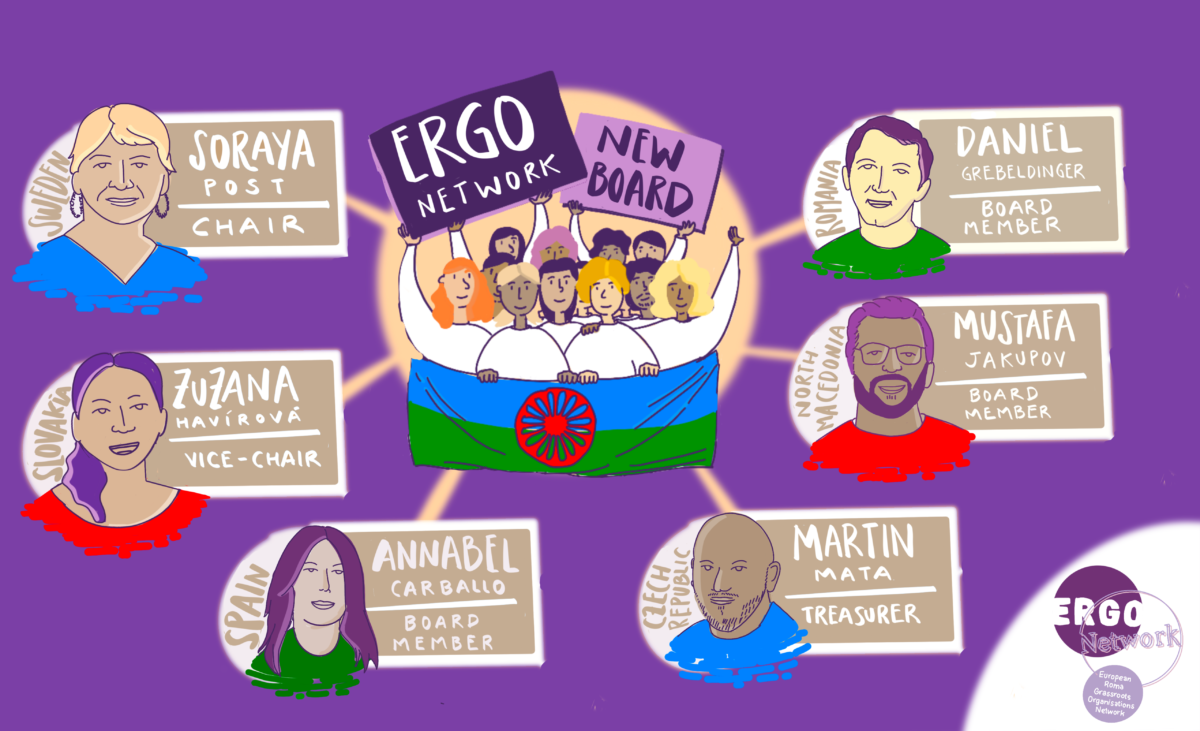
We are thrilled to introduce you to the new Board of ERGO Network!

ERGO Network is currently in a big transformative process: We have established a new legal entity, the ERGO Network AISBL, finally moving our legal seat from the Netherlands to Belgium and becoming more democratic. While the “old” ERGO Network will continue to exist until all contracts are moved, the “new” ERGO is already up and running and has just elected a new Board!

The Board consists of six members. Our membership has shown them their trust and support, and all of us – including the ERGO Secretariat – are looking forward to working together – making our Network stronger, wider and more powerful to achieve our common goals.

Our new Board members are:

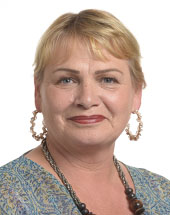
Soraya Post, Sweden (Chair)

Soraya Post is one of ERGO Network’s founding members. For the past four years, she has been sharing the lead in the “old” ERGO Board, serving as inspiration and motivation for young Roma activists to take a stand for the Roma cause. Soraya has dedicated her entire professional career as a Romani activist as well as a member of the European Parliament to the Roma. Soraya would like to give her support and commitment to the causes that ERGO Network represents. She is particularly keen to take the fight against antigypsyism further based on her knowledge of the European institutions and the European Parliament in particular.

Zuzana Havírová from the Roma Advocacy and Research Centre (RARC), Slovakia (Vice-Chair)

Zuzana Havirová is the chair of the Roma Advocacy and Research Centre (RARC) in Slovakia. She is also vice-chair of the Committee for the Prevention of Racism, Anti-Semitism, Xenophobia and Other Forms of Intolerance, which belongs to the Ministry of the Interior of the Slovak Republic and a member of the Slovak Government Council for Human Rights. Last year Zuzana was also elected by several Roma NGOs to serve as a member of the Slovak Government Council for National Minorities.

Zuzana believes that ERGO Network will play an important role in working with governments and international institutions to ensure Roma are part of the change. She is convinced that it is necessary to strengthen the fight for the rights and participation of the Roma at the international level as well.

Annabel Carballo Mesa from Federación de Asociaciones Gitanas de Cataluña (FAGiC), Spain

Annabel Carballo Mesa is the Director of the European and International Area in the Federació Assoc Gitanes Fagic in Spain. Her main goals for the ERGO Network Board are to bring a new and fresh perspective to continue the great work done previously, and to make sure that strategic plans and annual operation plans are developed and implemented according to ERGO Network’s mission and vision.

Annabel’s main motivation is to widen the geographic scope of the Board including the perspective from the Iberian Peninsula (Spain and Portugal). She is sure that this will bring more diversity to the work of ERGO Network and make different voices be heard.

Martin Mata, Czech Republic (Treasurer)

Martin is one of the founding members of ERGO Network and has been serving on the ERGO Network Board for the last four years as treasurer. Away from ERGO Network he is a businessperson, a local politician and leader of important regional institutions. As a part of the Board he will continue to share his knowledge on programmes and spending. He is particularly interested in identifying correlations between organizational development and trends in the society, which is even more relevant in times of crisis.
Mustafa Jakupov from Регионална Ромска Образовна Младинска Асоцијација – RROMA, North Macedonia

Mustafa has 15 years of experience – most of which he was working with ERGO Network and its members on various projects and working groups. For the last several years and until August 2022, Mustafa had an even closer connection to ERGO working as Policy and Project Coordinator in charge of the areas of antigypsyism, non-formal education, Roma youth empowerment, participation, mobility and volunteering.

He has information and knowledge on the variety of the membership, as well as broader policy trends and occurrences related to Roma issues across Europe.

Daniel Grebeldinger from Nevo Parudimos, Romania

Daniel has more than 10 years of experience as Board member of different EU networks, as well as 18 years of running, setting up and developing Roma and non-Roma NGOs.
His vision for ERGO Network in 5 years is being the strongest Roma network in Europe, contributing directly to the development of its members, bringing the grassroots voice of the Roma from all around Europe to the decision makers at EU level. He sees ERGO Network as being one of the main actors in training and capacitating Roma professionals, young people and adults who will be the future Roma civil society in Europe.

Daniel believes that if until now the Board was more a decision-making structure, the future Board of ERGO Network will be a more active body, more dynamic and more involved in the evolution and future development of the Network. He sees himself as an active part of the fundraising team of ERGO Network, a promoter of the network and a recruiter of new members.

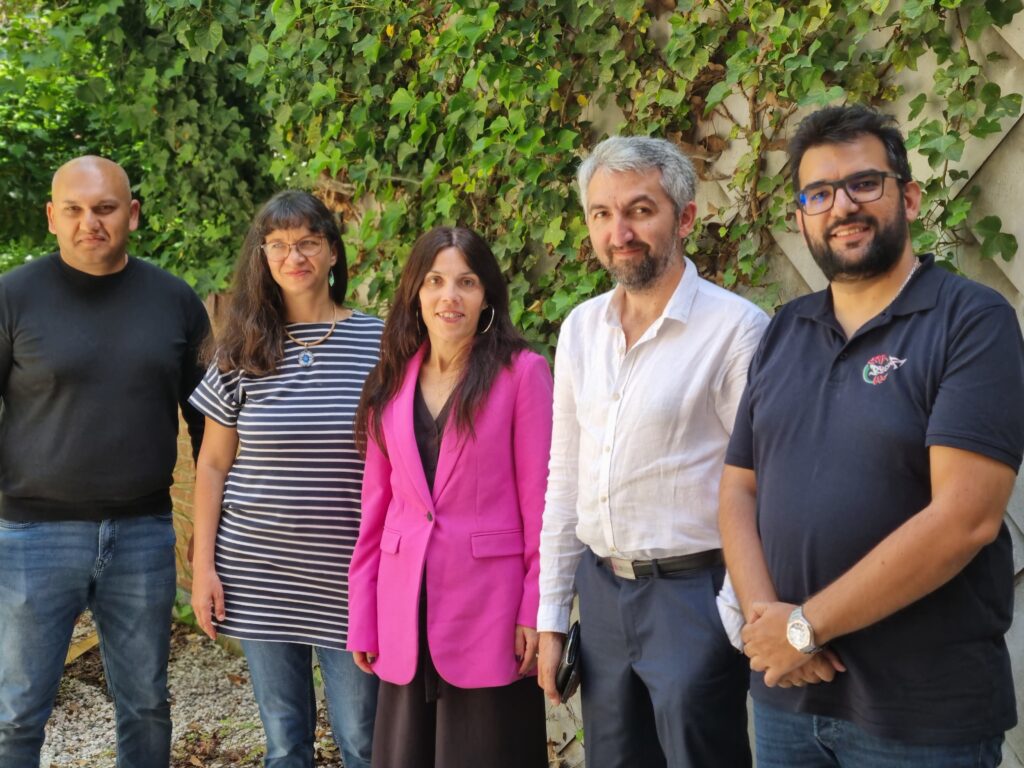
Once again, congratulations to all newly elected Board members and we are looking forward to working together!


ERGO Network’s Annual Members’ Meeting / General Assembly 2022

ERGO Network’s Annual Members’ Meeting / General Assembly 2022

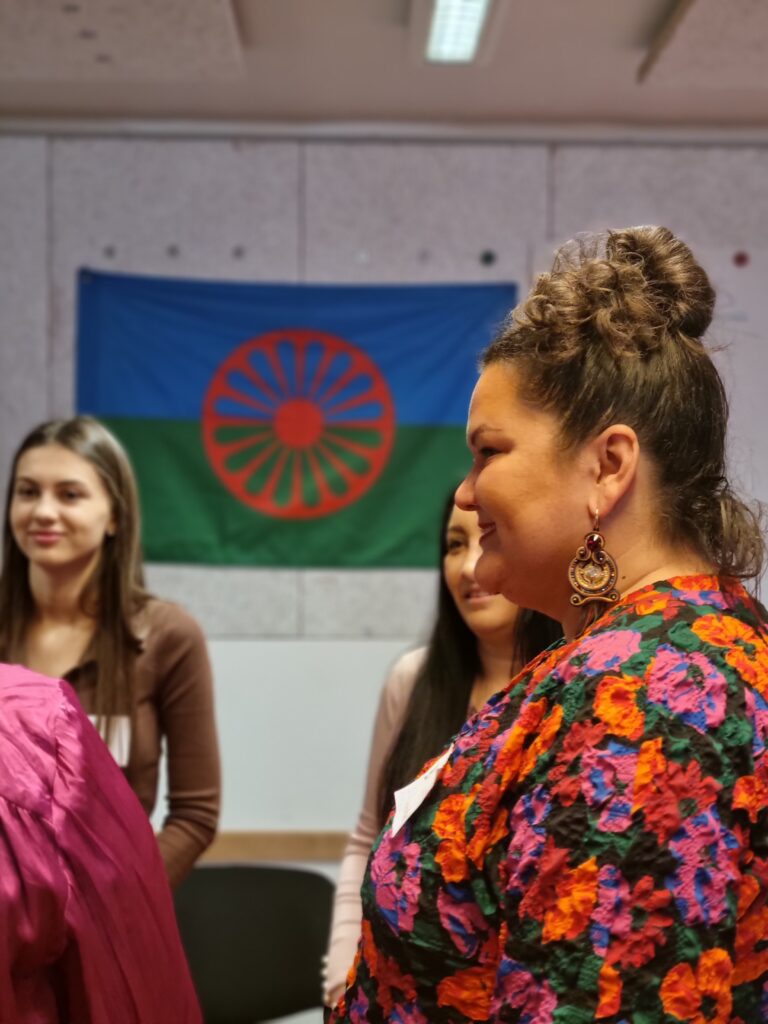
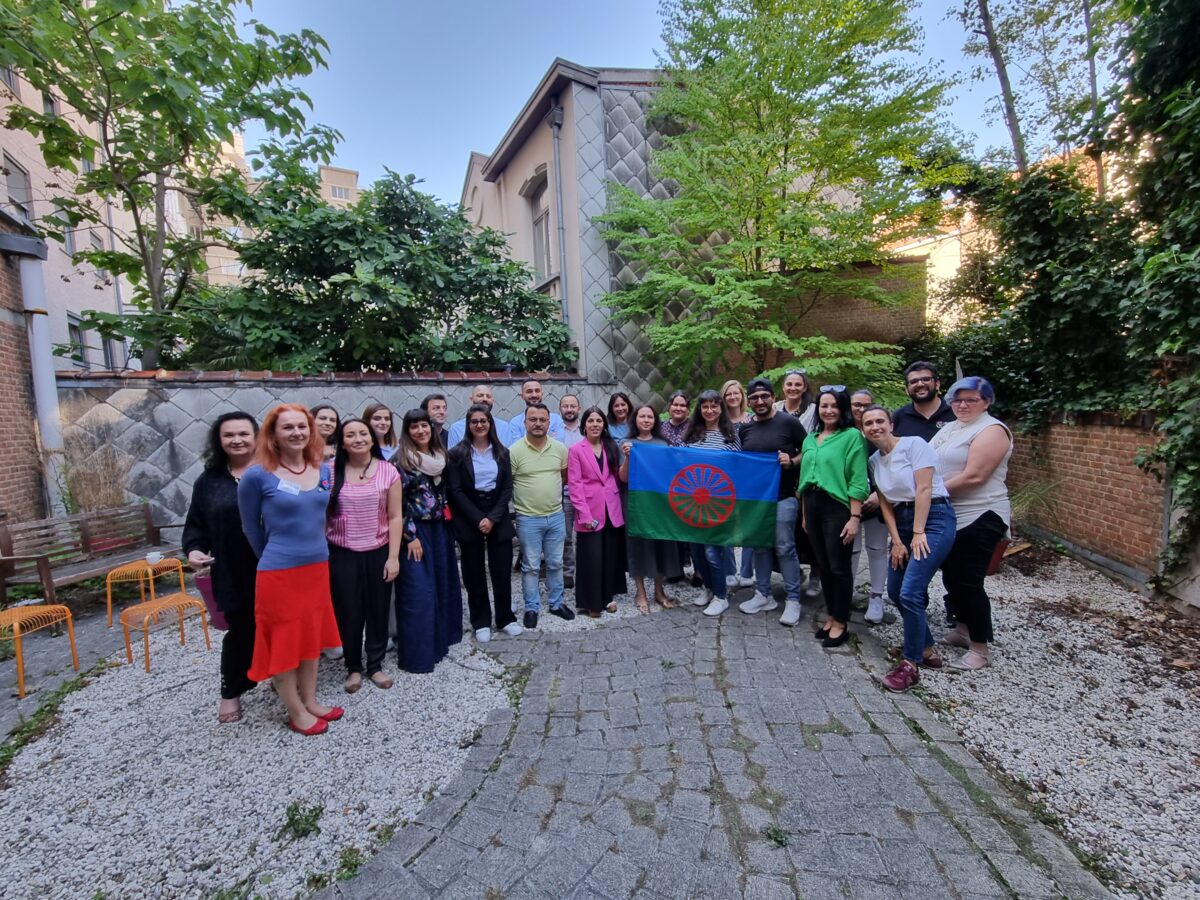
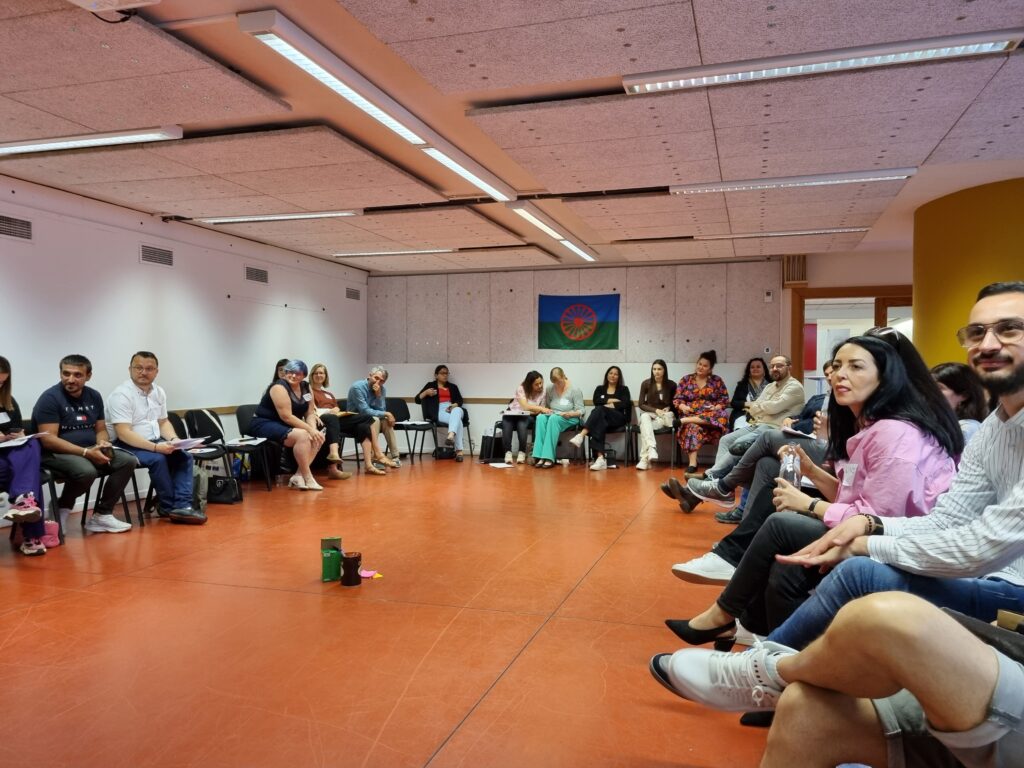
After two years of meeting online, from 13-15 June 2022 ERGO Network’s members finally came together live in Brussels to share updates from the past year, set future priorities, and learn from each other. As ERGO Network is moving from a foundation (Stichting) registered in the Netherlands to a member-governed organisation (AISBL) based in Belgium, this Annual Members’ Meeting was also the first General Assembly of the “new ERGO”.

The first day started with welcoming the members to Brussels by ERGO Network Co-Chair Stanislav Daniel and ERGO Network Director Jamen Gabriela Hrabaňová. It was followed by an exchange of expectations for the meeting between the members, who highlighted fears such as conflicts, lack of (or too much) discussion and even contracting Covid-19 during the meeting. But the identified opportunities and hopes – such as to be heard, to come back home motivated, excitement about the “new” ERGO and its board together with many others – outweighed these fears.

This ice-breaker session was followed by a presentation of the “new ERGO” working structure: a general overview of the Statutes of the new ERGO Network aisbl, the membership (a discussion during which the active members of the “old” ERGO Network officially also became members of the new ERGO Network aisbl), the establishment of the General Assembly and approval of the agenda. The new statutes are also introducing the new type of membership – besides the full members, we also welcomed associated members and friends of ERGO.“We also discussed the roles of the new ERGO Board, the General Assembly, the Secretariat, voting procedures, and elections.

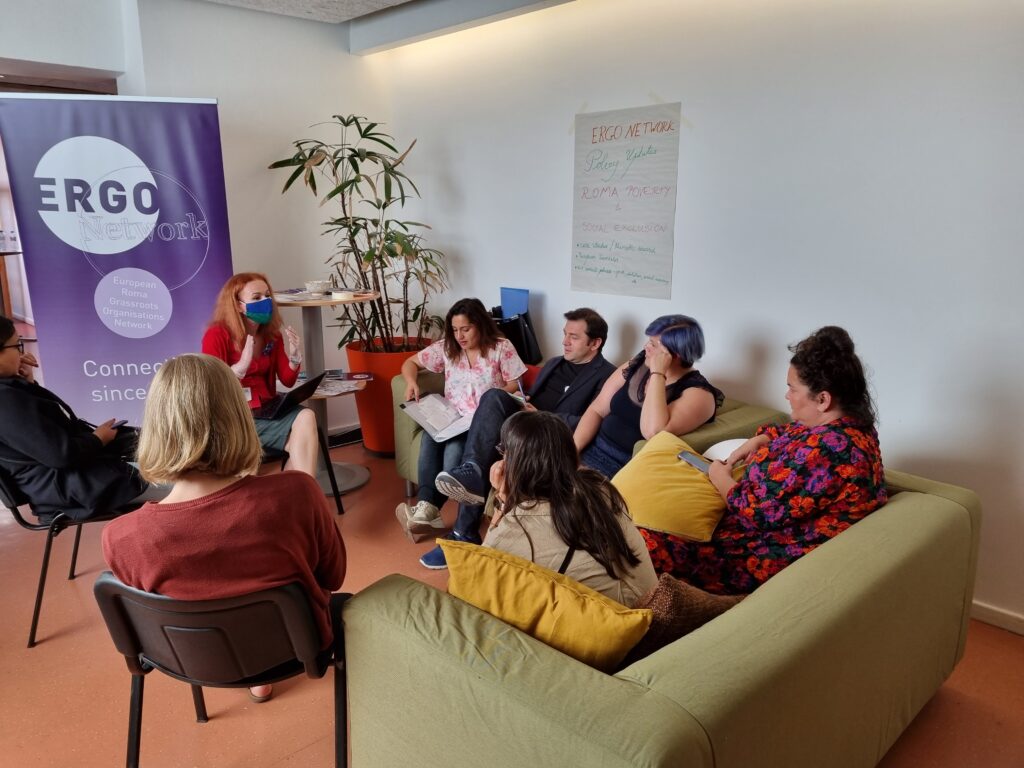
In the afternoon, the members split into groups to discuss ERGO Network policy work updates:

• EU Roma Strategic Framework up to 2030, Roma Civil Monitoring and the work of the Anti-Racism Coalition with Isabela Mihalache
• Capacity building of Roma civil society by the director Gabriela Hrabaňová
• Combatting Roma poverty and social exclusion with Amana Ferro and Carmen Tănasie
• Raising awareness of antigypsyism online and offline with Mustafa Jakupov
• Romani Women Power of Change in the Western Balkans and Turkey with Adriatik Hasantari


This session was followed by a plenary discussion on updates on the situation in Ukraine and support from ERGO Network members. The exchange was kicked-off by our Ukrainian member organization Roma Women Fund Chiricli and followed by inputs from members from Romania, Hungary, Germany, and the Czech Republic. The discussions continued late into the evening during our dinner outside, where the members also had a chance to join an informal conversation about an initiative exploring any potential misuse of EU funds for Roma integration.

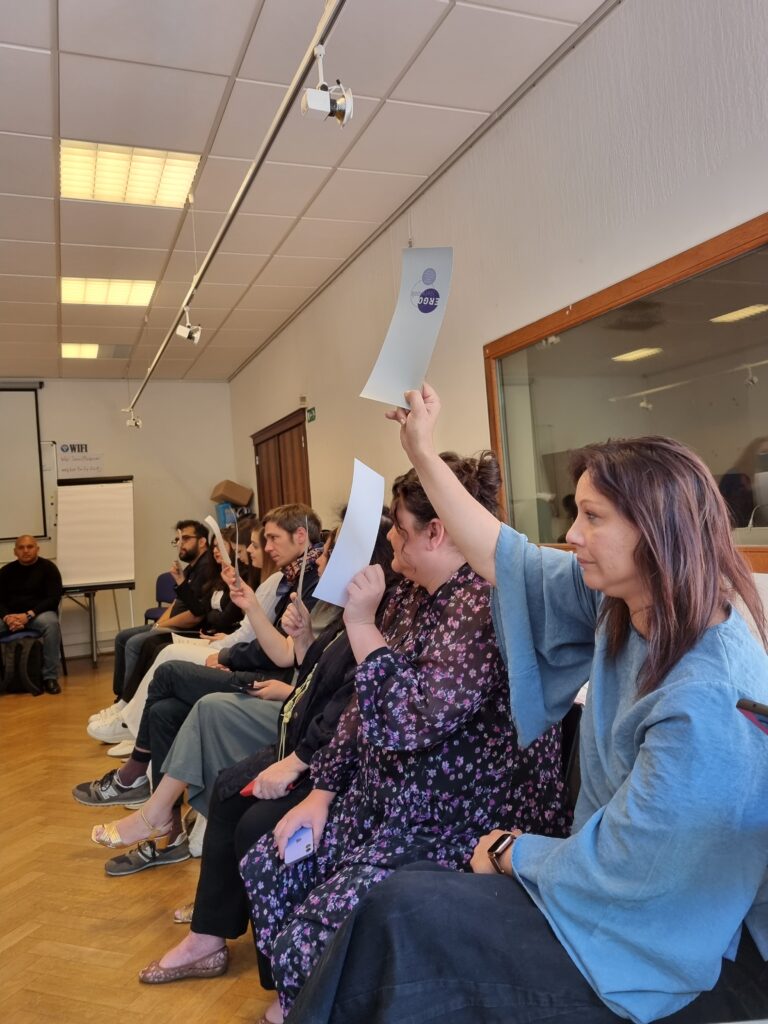
The second day started with a deeper look at the statutory items of the new ERGO: the statutory role of the General Assembly and voting procedures, and the Internal Governance Handbook. Then the candidates for the Board were presented and the most awaited part of the meeting – the elections – took place. To find out who became the new Board of ERGO Network stay tuned for the update in the coming days!

Our treasurer Martin Mata presented an overview of the financial situation from 2017 to 2022. He stated that ERGO Network was in very good financial health, with sufficient reserves, and recommended continuing on the same path. The session on finances was complete with the presentation of ERGO’s main funding sources and finally the discussion and vote on the membership fee.

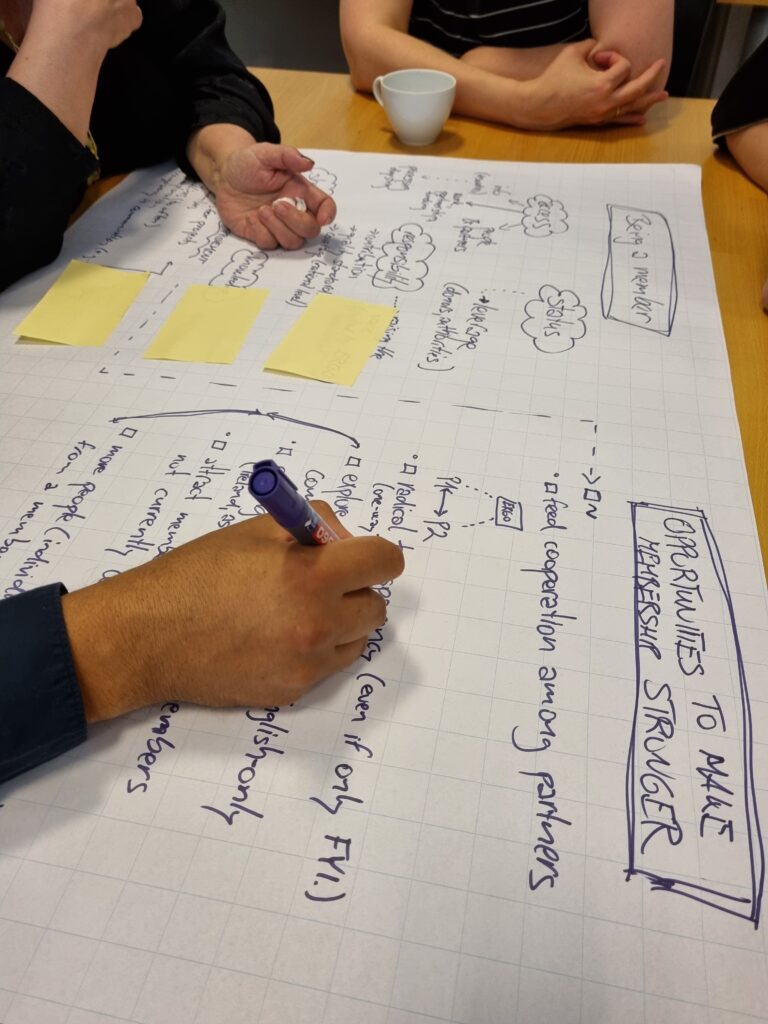
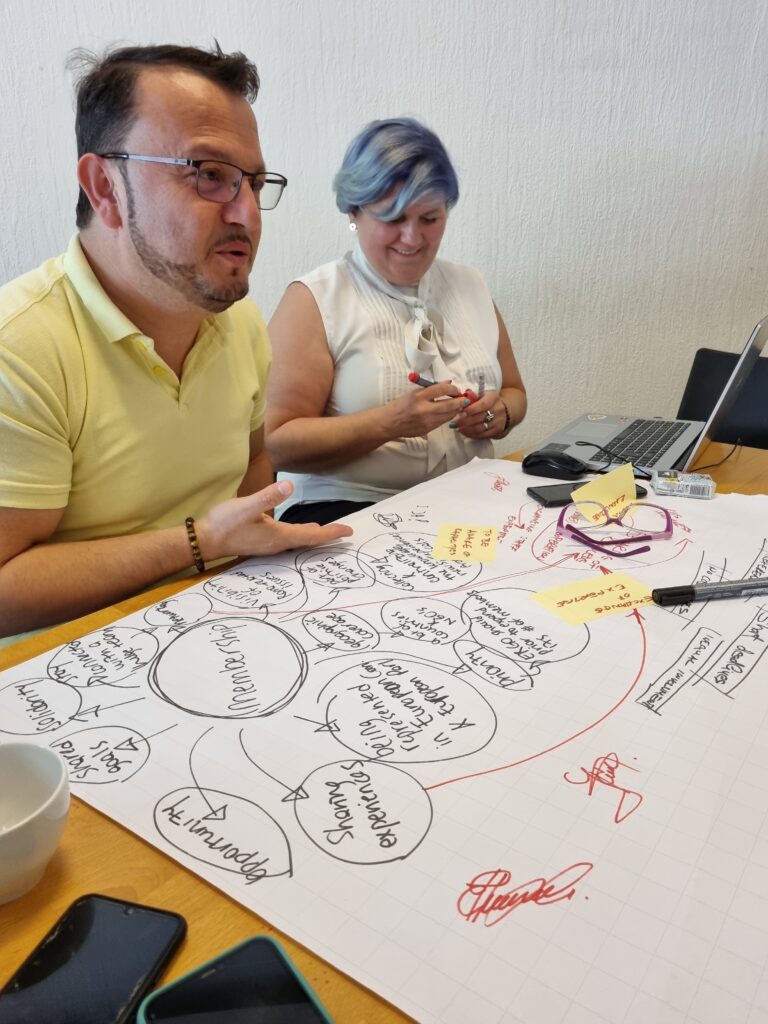
After all the excitement of the elections, an in-depth discussion on strengthening the membership followed. In the format of the World Café, we asked our members: What does membership mean for you? What works in ERGO’s membership? What does not work? What are the opportunities to make the membership stronger?

Some of the key takeaways from this session were: to be more aware of members’ capacities, to channel communication, to increase the transparency within the network, and to continue sharing knowledge and expertise among members.

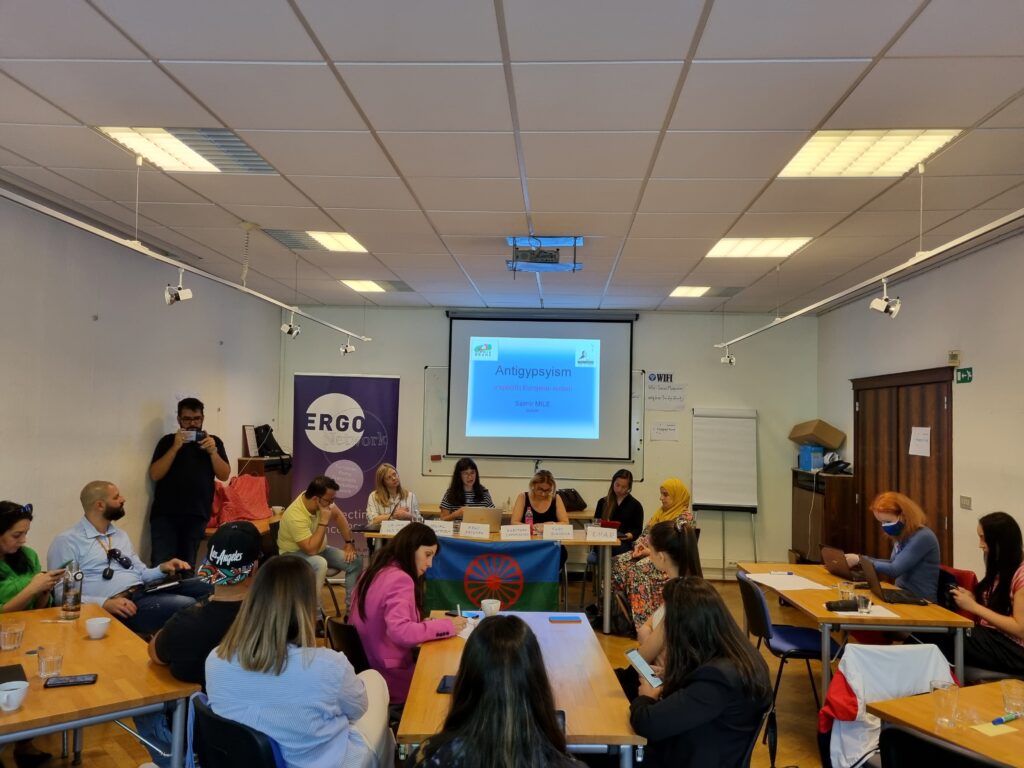
This day and the General Assembly 2022 closed with a policy round table on Building intersectional synergies to guarantee Roma equality, inclusion, and participation, which facilitated a discussion on the existing challenges of antigypsyism as a specific form of racism and its various manifestations inside and outside the European Union.

The speakers in this event came from the Social Platform, the European Network Against Racism (ENAR), Eurodiaconia, the European Commission’s DG Justice and Consumers, as well as from ERGO Network’s French member La Voix des Rroms. The presentations were followed by a debate with the audience.

The round table looked at intersections with mainstream anti-racist policy frameworks, and where synergies or opportunities for joint advocacy and cooperation arise that can help strengthen the work of addressing Roma issues further in a holistic way. It provided an opportunity to examine the importance of large-scale awareness-raising and of promoting a deep understanding of antigypsyism as a specific form of racism, not only at the national but also at the European level.

The round table received the financial support of the European Union and the International Visegrád Fund.

We thank our members for coming to Brussels for this meeting!

`
Ana Rozanova – Page 27 – ERGO Network

By continuing to use the site, you agree to the use of cookies. more information

The cookie settings on this website are set to "allow cookies" to give you the best browsing experience possible. If you continue to use this website without changing your cookie settings or you click "Accept" below then you are consenting to this.

Close