CALL FOR NATIONAL FOCAL POINTS 

[wp_code id=”1″]

ERGO Network is seeking dedicated Roma Civil Society representatives to serve as National Focal Points in Albania, Bulgaria, Czechia, Greece, Germany, Italy, North Macedonia, Romania, Spain and Slovakia. The focal points will assist in data collection and provide valuable insights on the implementation of Human Rights standards related to antigypsyism and discrimination against Roma and Travellers, specifically for the RIPE (Roma Inclusion, Participation & Equality) Index & Map. 

Deadline for applications: 26th August 2024 CET


Background 

The RIPE (Roma Inclusion, Participation & Equality) Index & Map is a vital tool currently being developed by the ERGO Network to tackle the pervasive discrimination against the Roma community within various European States. RIPE offers a unified framework to assess and compare the conditions of Roma populations across diverse political, social, and economic contexts. Inspired by established human rights mechanisms, the RIPE Index & Map systematically assesses a wide array of rights and social indices, ensuring comprehensive coverage from human rights to socio-economic conditions. RIPE leverages empirical data to advocate for policies that prevent discrimination and promote Roma inclusion, equality, and participation, while also investing at the Roma grassroots level. 

Importance of the RIPE Index 

The RIPE Index systematically captures and analyzes data on the social conditions of Roma, their experiences of discrimination, and their access to opportunities across European States. This tool: 

  • Standardizes Measurement: Facilitates comparisons and tracking progress across countries. 
  • Shapes Policy: Provides detailed data to inform national and international policies. 
  • Promotes Inclusion and Rights: Identifies areas where Roma rights are inadequately protected, advocating for inclusive policies. 
  • Raises Awareness and Engagement: Enhances dialogue and cooperation among Roma communities, civil society, and governments. 
  • Directs Resource Allocation: Ensures investments in Roma inclusion projects are targeted effectively. 
  • Creates Policy Nexus: Correlates instances of discrimination with policy outcomes, refining strategies for future policies. 

Responsibilities 

The selected National Focal Points will: 

  • Provide data through tailored questionnaire provided by ERGO reflecting on-the-ground realities. 
  • Provide updates on the collected data to the ERGO Secretariat between the submission of the completed questionnaire and the finalisation of the reaserch, only if needed 
  • Ensure the accuracy and comprehensiveness of data submitted to the ERGO Secretariat. 
  • Submission of all data and responses by the specified deadlines. 

Compensation & Timeline 

Up to 2 (two) Roma Civil Society Organizations acting as National Focal Points may be selected for each country. The total amount for remuneration for National Focal Points per each country amounts to 1000 EUR (500 EUR each in case of 2 National Focal Points).   

The commitment timeline for this role will span from 1 September 2024 to 1 November 2024. 

Countries 

The National Focal Points will be selected from the following countries: 

  • Albania 
  • Bulgaria 
  • Czechia 
  • Greece 
  • Germany 
  • Italy 
  • North Macedonia 
  • Romania 
  • Spain 
  • Slovakia 

How to Apply

Interested candidates should submit: 

  • A document not exceeding 200 words demonstrating the relevant experience, qualifications and operational capacity of your organization. 
  • A brief statement of interest outlining your motivation and suitability for the role. 
  • Please send your application to info@staging.ergonetwork.org by 26/08/2024 CET. For further questions, contact Georgios Tsiakalos at g.tsiakalos@staging.ergonetwork.org. 

Selection Criteria 

The National Focal Points will be selected based on their: 

  • Proven experience in Romani Civil Society work. 
  • Strong understanding of Human Rights standards related to antigypsyism and Roma equality, inclusion and participation. 

ERGO Network is committed to fostering inclusive and participatory processes that reflect the diversity of Roma communities across Europe. We encourage applications from all qualified individuals. 
Welcome to our new Administrative Assistant

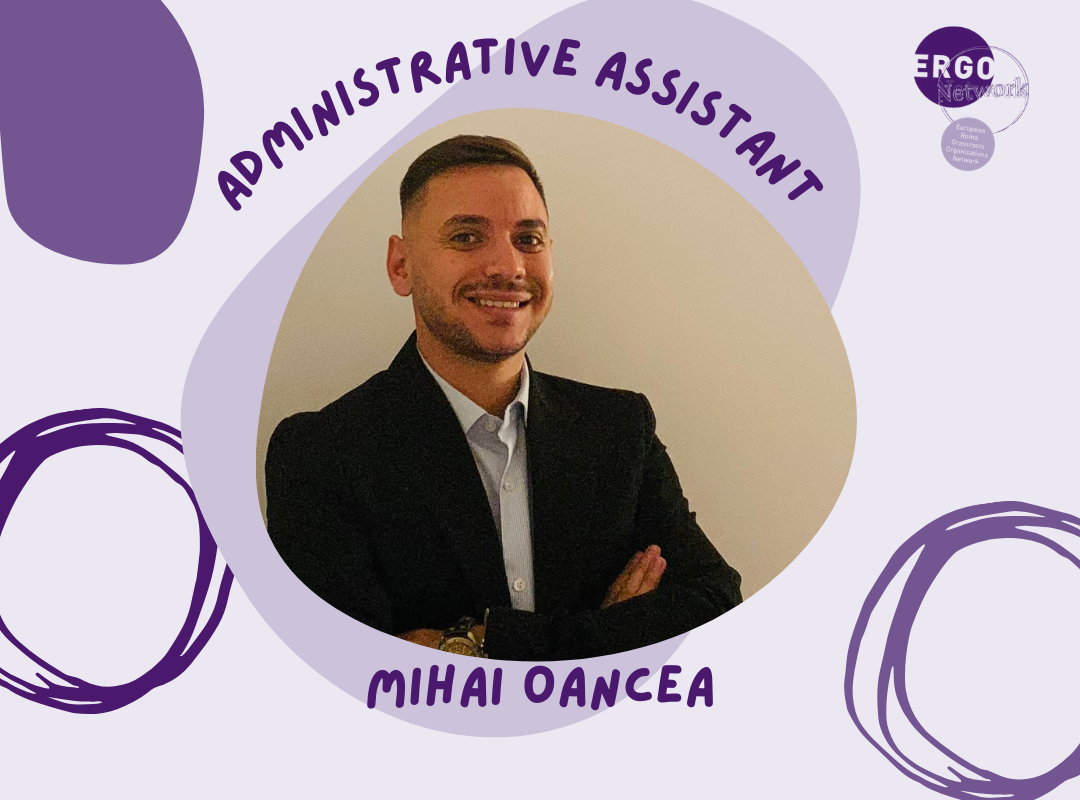
We welcome a new team member, Mihai Oancea, who has joined as an Administrative Assistant.

Within the ERGO Secretariat Mihai has the following responsibilities:

  • Event management: Liaising with event participants, booking venues and flights, preparing material and documentation, taking minutes and other tasks related to event logistics;
  • Contracting and finances: Supporting other team members in administrative procedures of contracting and sub-granting to our members, experts and external partners, supporting other team members in preparing invoices, dealing with reimbursements to participants, collecting financial evidence from members; working closely with the financial manager to preparing and filing financial documents.
  • Office management: Liaising with the Mundo Matonge management and team about any issues regarding our office space, ordering office materials etc.
  • Other administrative tasks: Assisting the Director with other tasks.

Read more about Mihai in his own words:

“I was born and raised in a traditional Roma community in the southern part of Romania. Since 2016, I’ve actively participated in Roma civil society, starting as a volunteer with Romani Criss, the first Roma organisation in Romania. Through this experience, I discovered my passion for working to improve the situation of Roma communities.

From a professional point of view, my experience includes activities that have for a long time involved involvement in the civic sector of Roma youth, working on the grassroots in various communities as well as working with various institutions aiming to improve the Roma inclusion sector (health and education sectors and human rights)

I believe that it is always good to combine useful things with pleasant things, which is why, throughout my career, I have always had to learn and gain experience in both the administrative and financial fields as well as in the social sector, and all this experience I gained working in civil society organizations has brought me different positions in the organizations I worked with, starting from volunteer to mentor, youth worker and project assistant, and then project coordinator. All these experiences have contributed to gaining knowledge in various areas related to the communities we are fighting for and the people whose voices need to be heard: Roma communities, generations of people, and people who need us to be there.

My last studies were a master’s degree in Management and Internal Audit within the Faculty of Management and Rural Development; this was an essential step in my career because I believe that despite the flexibility that the NGO sector allows, even in working on the grassroots, there is a need for adaptability and identification of ways of intervention focused on the needs of communities, and the procedures and strategies are directly related to them.

I am happy to continue working in the field of Roma civil society with ERGO; I am convinced that this experience will sustain my motivation to work for the community.”

Call for a research consultant

ERGO Network is seeking a consultant to contribute to research and activities related to the RIPE (Roma Inclusion, Participation & Equality) Index & Map. The consultancy will span six months and require comprehensive study and coordination across multiple thematic areas, covering several European countries. The work will integrate data from both desk research and grassroots-level surveys.

Find the full call for applications here.

Background

The RIPE (Roma Inclusion, Participation & Equality) Index & Map is a vital tool currently being developed by the ERGO Network to tackle the pervasive discrimination against the Roma community within various European States. RIPE offers a unified framework to assess and compare the conditions of Roma populations across diverse political, social, and economic contexts.

Inspired by established human rights mechanisms, the RIPE Index & Map will systematically assess a wide array of rights and social indices, ensuring comprehensive coverage from human rights to socio-economic conditions. RIPE leverages empirical data to advocate for policies that prevent discrimination and promote Roma inclusion, equality, and participation and at the same time invests on Roma grassroots levels.

Key Tasks

  • Implementing an Action Plan & Timeline: Conduct research and contribute to the compilation of an analysis report based on the methodology developed by ERGO Network.
  • Overseeing National Data Collection: Oversee Roma civil society representatives functioning as National Focal Points for data collection.
  • Conducting Surveys: Provide data on the implementation of standards related to antigypsyism and discrimination.
  • Data Collection and Analysis: Conduct desk research and synthesize findings with input from national focal points.
  • Compilation of a Report: Compile monitoring results into a comprehensive report.

Timeframe and budget

  • Duration: August 5, 2024 – January 31, 2025
  • Budget: Up to € 8,000 (including VAT)

Application requirements

  • Detailed CV demonstrating clearly that the tenderer has relevant experience.
  • Sample of previous relevant work.
  • Price offer for the total duration of the consultancy services.

Consultant profile

  • Proven experience in research and methodology development.
  • Strong analytical and report writing skills.
  • Knowledge of relevant Human Rights standards for this call and awareness of Romani civil society.
  • Fluency in English (speaking and writing) is essential.

How to apply

Send your application to info@staging.ergonetwork.org  by July 29, 2024, 23:59 CET. For further questions and more information on the methodology and deliverables, contact Georgios Tsiakalos at g.tsiakalos@staging.ergonetwork.org

Welcome to our Jekhipe Project Coordinator

Welcome to our new team member

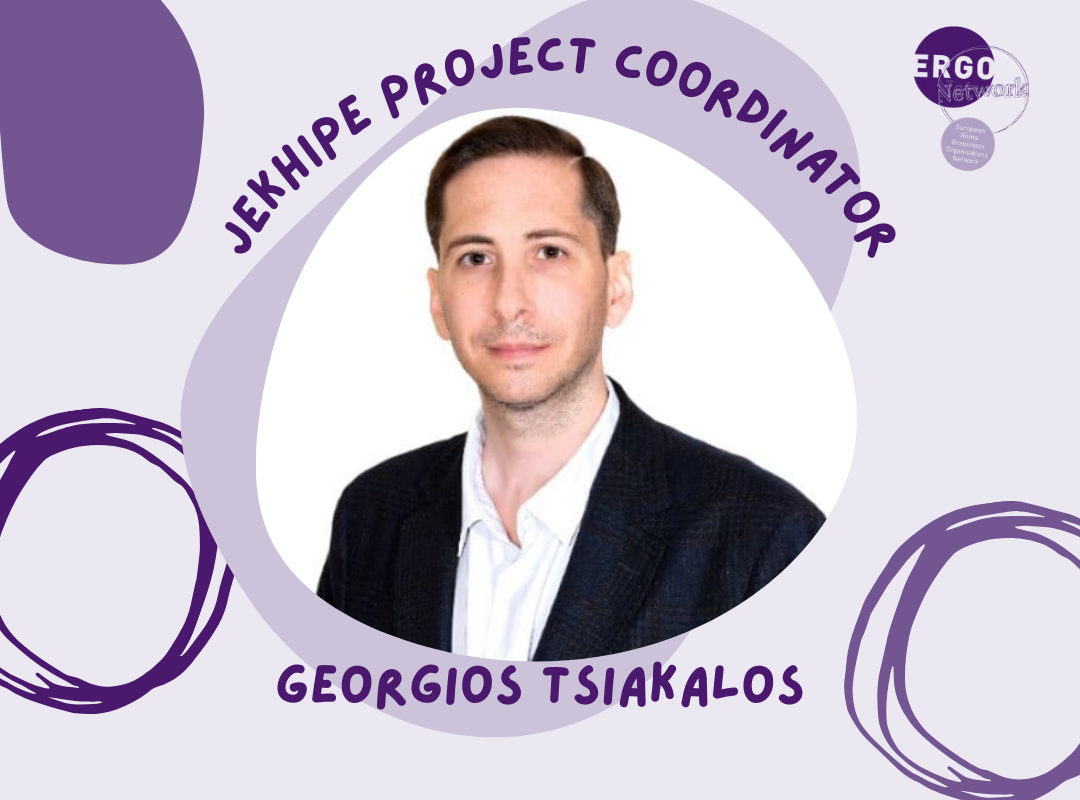
News from the ERGO Network Secretariat: Georgios Tsiakalos, the Project Coordinator for Jekhipe, has joined the team.

Within the ERGO Secretariat, Georgios has the following responsibilities:

  • Coordination of the Jekhipe project
  • Work on anti-discrimination and antigypsyism files
  • Coordination of transitional justice initiatives

Read more about Georgios in his own words:

I am an Attorney at Law specialising in Strategic Litigation for Human Rights and an experienced project manager. I hold a Bachelor’s degree in Political Science and Government from the National and Kapodistrian University of Athens, an LL.B. in European Law, and an LL.M. in Forensics, Criminology, and Law from the University of Maastricht. Additionally, I earned an MSc in Modern Medical Practices with a focus on bioethics, medical research, and legal regulation from the School of Medicine of the Aristotle University of Thessaloniki.

My legal career began in 2013 with a focus on criminal defence, where I quickly discovered my true calling: seeking redress for human rights abuses for those most in need. This passion led me to concentrate on Human Rights Law, dedicating my practice to strategic litigation and legal advocacy, particularly for the Roma community.

My career path was significantly shaped by my role as a legal expert for the EU/CoE Joint Programs JUSTROM (Access to Justice for Roma Women) since 2016. Leading legal clinics, I handled thousands of legal issues and became deeply acquainted with systemic injustices and gross manifestations of antigypsyism.

Since 2023, I have had the honour of serving as the National Coordinator in Greece for the Council of Europe in the Joint Programme of the European Union and the Council of Europe – EQUIROM (Equality and Freedom from Discrimination for Roma). Additionally, I have been selected as an international expert/consultant for various departments of the Council of Europe, including the Council of Europe Office in Georgia, the Horizontal Facility II & III, the Justice Sector Reform, CEPEJ, and the Elections and Participatory Democracy Division.

I have extensive experience as a trial lawyer and in Strategic Litigation for the defence of the Human Rights of Roma, focusing on addressing forced evictions, environmental racism, and law enforcement abuse. Notably, in 2022, alongside dedicated colleagues, I founded the non-profit alliance of human rights lawyers, Pro Bono Publico, aimed at litigation to generate significant societal impact for the most marginalized.

I have provided my services as an independent expert to the Greek National Roma Contact Point and the Fundamental Rights Agency under the EEA/Norway Grants Task Force on Roma Inclusion and Empowerment. I also served as the Trainings Coordinator for the Roma Platform 2020 in Greece.

My project management experience includes several initiatives funded by the Open Society Foundations, leading program planning and advocacy efforts for grassroots organizations, notably the Roma Women Association of Dendropotamos. Here, I designed and managed significant projects like the Environmental and Climate Justice Network—ENVIROM, which influenced larger organizations such as UNICEF and social entrepreneurship ventures like the non-profit Romani women-led Romani cuisine restaurant Amalin. I also achieved the association’s recognition as a US Public Charity equivalent.

In addition to these roles, I have served as the National Coordinator for the Roma Civil Monitor for Greece and Cyprus and as Project Coordinator of the Council of Europe’s Roma Political Schools for three consecutive years.

I am honoured to take on the role of Project Coordinator for JEKHIPE, where I can utilize my skills and experience in both project management and the pursuit of justice. I see JEKHIPE as a vital counterweight to the gross and historical injustices the Roma community continues to face.

I am eager to contribute to the ERGO Network’s impactful work, ensuring the Roma community receives the respect, empowerment, and opportunities it deserves.

In my free time, I enjoy long drives, reading books, watching quality series, and cooking.

ERGO Network General Assembly 2024: Shaping the Future in Barcelona

ERGO Network General Assembly 2024: Shaping the Future in Barcelona

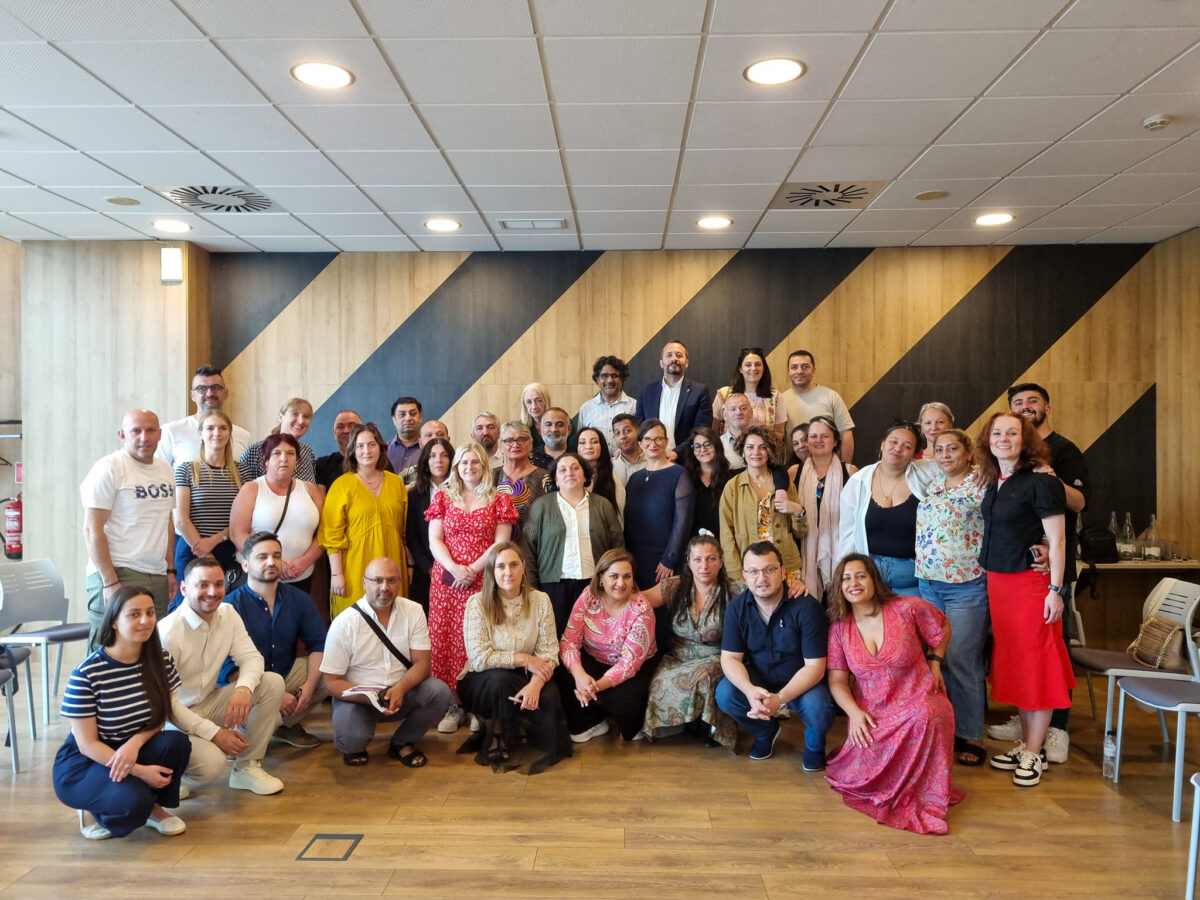
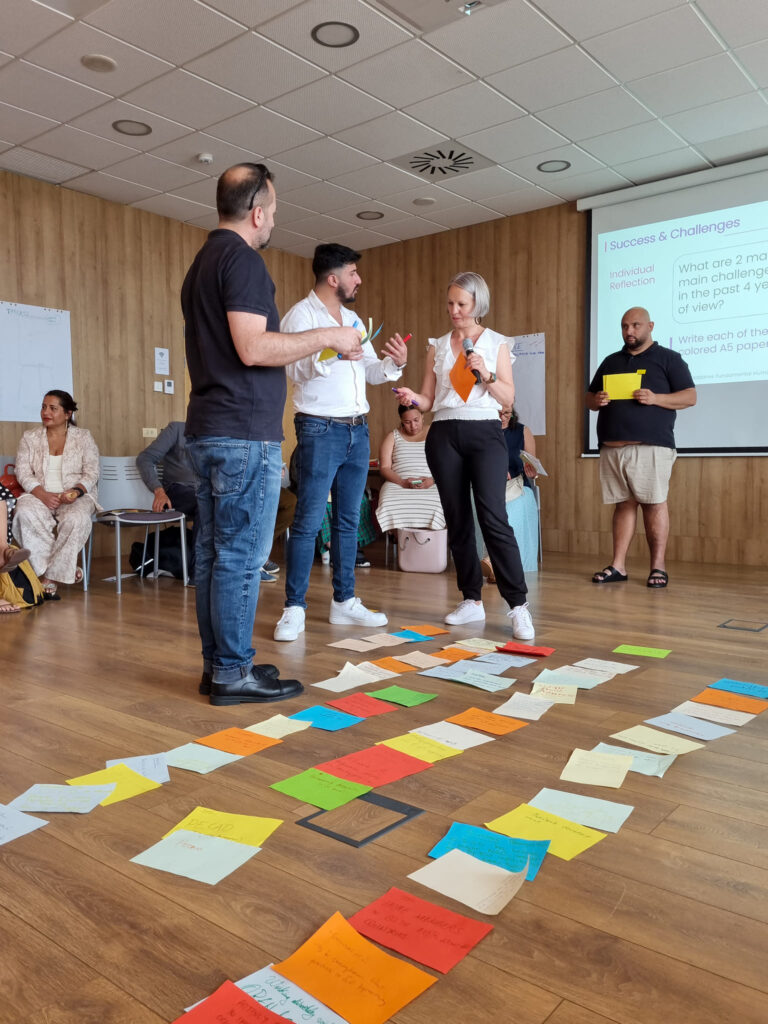
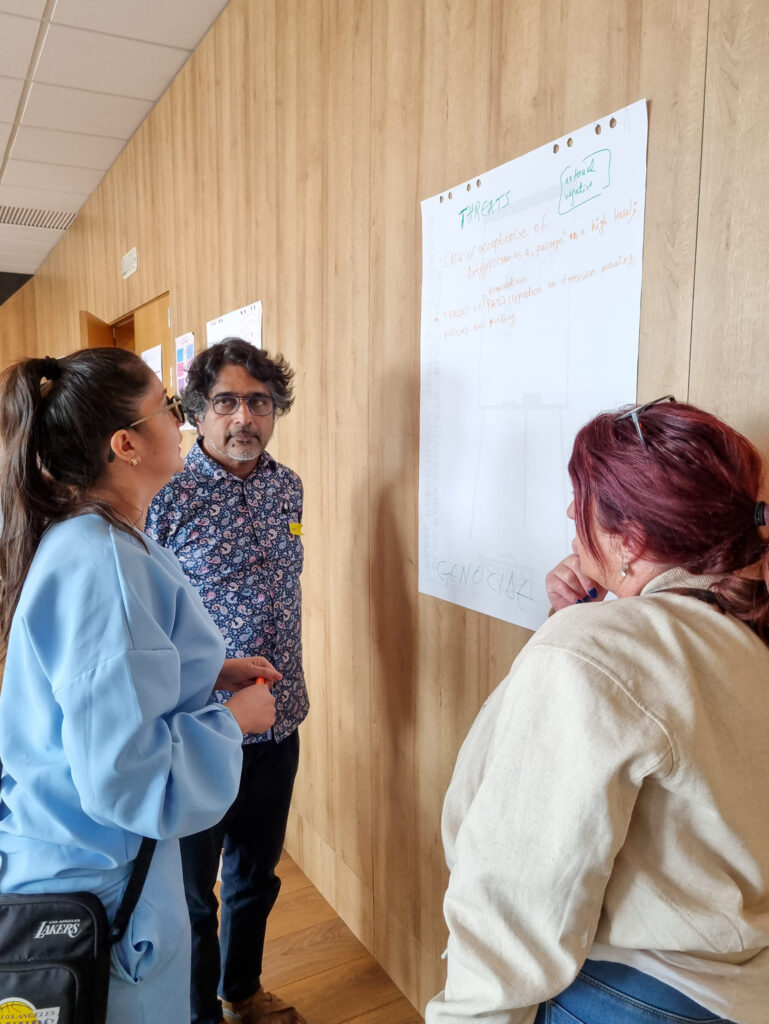
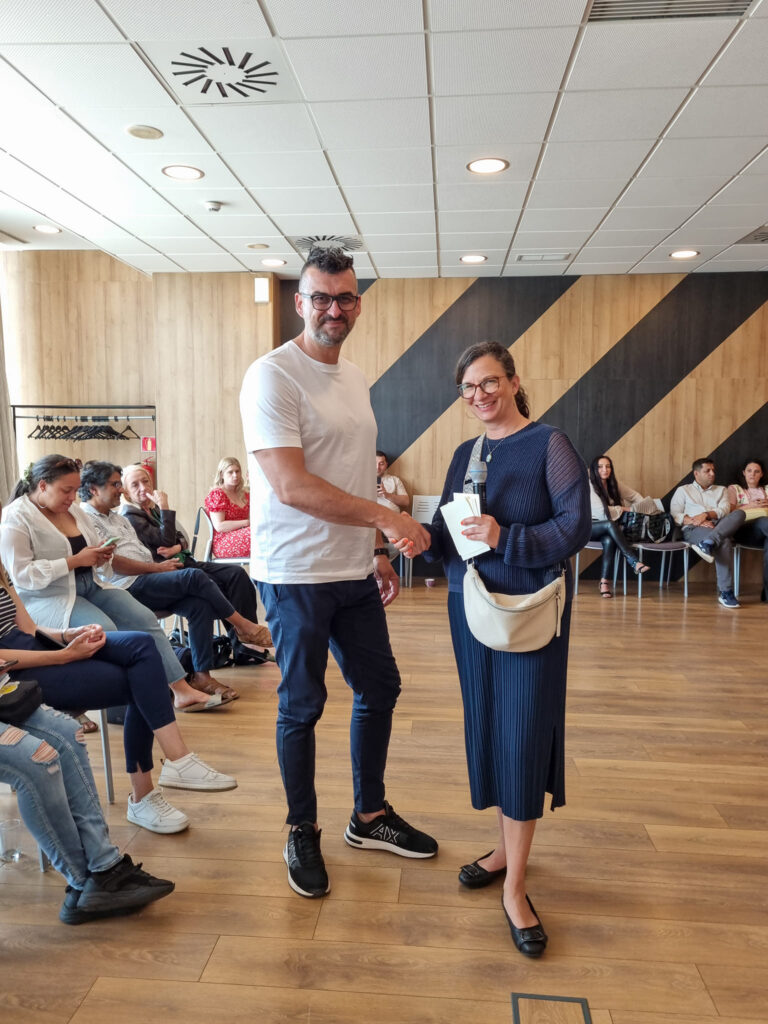
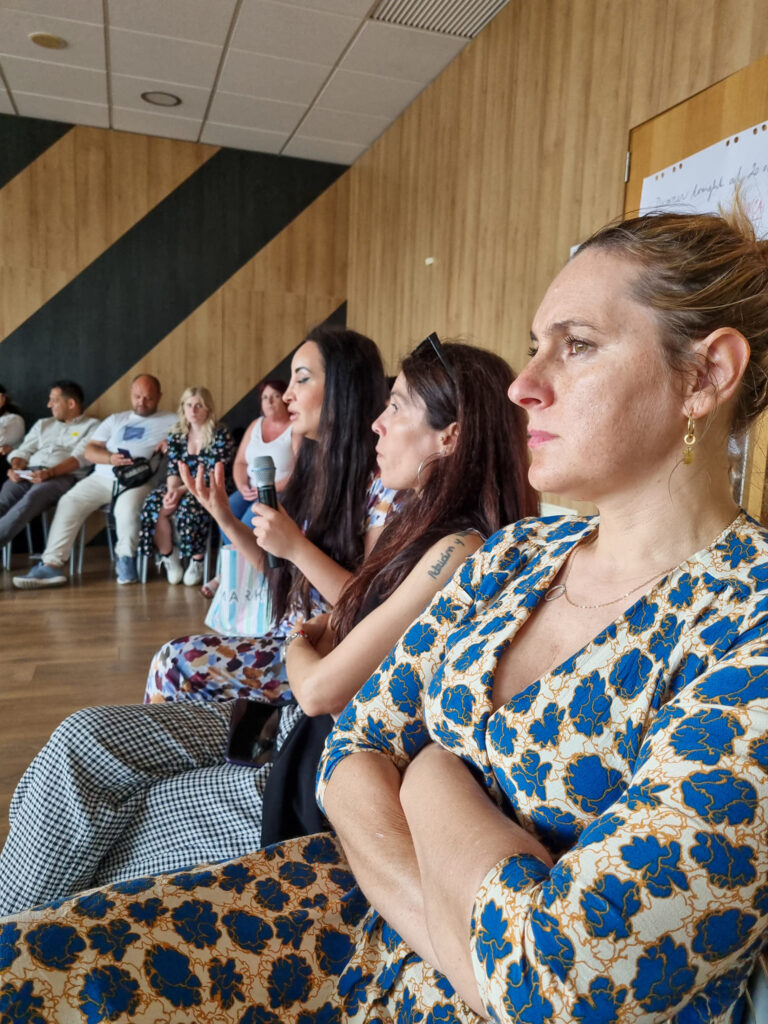
ERGO Network held its annual General Assembly from June 18 to 21, 2024, in Barcelona, Spain. This year’s assembly, hosted by the Federació d’Associacions Gitanes de Catalunya (FAGIC), was particularly momentous as members gathered to chart the network’s strategic direction up to 2030.

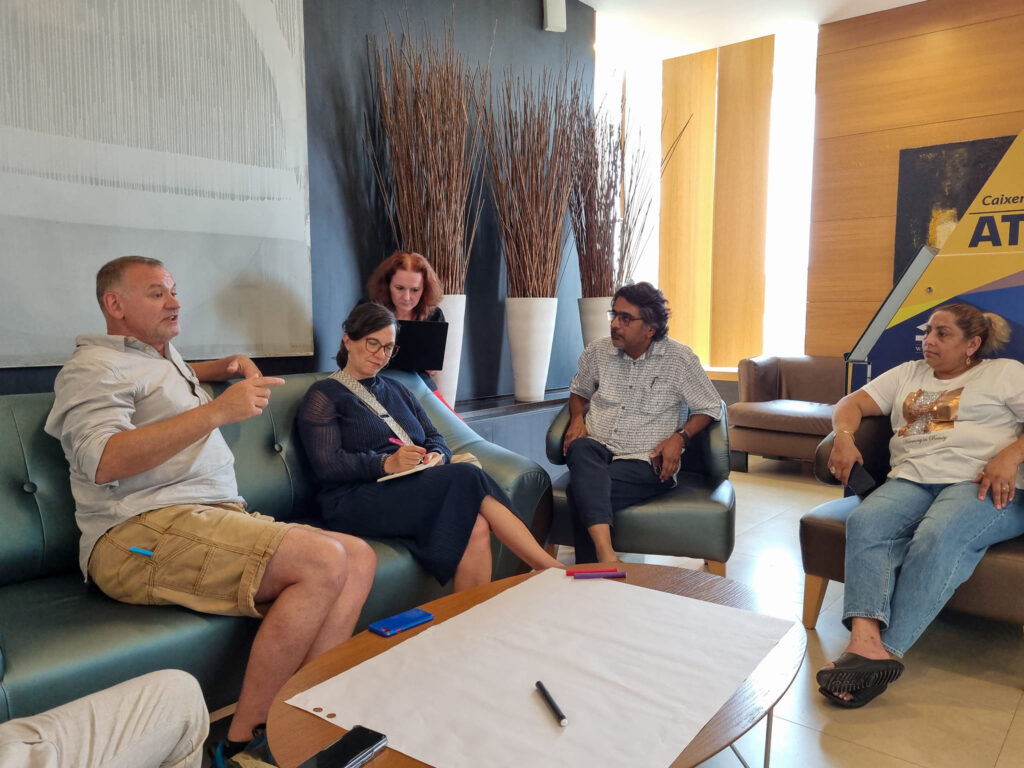
The assembly brought together representatives from 25 European countries. Over two packed days, the participants engaged in discussions, strategic planning, and exchanges aimed at fortifying the network’s future.

Strategic Planning for 2030

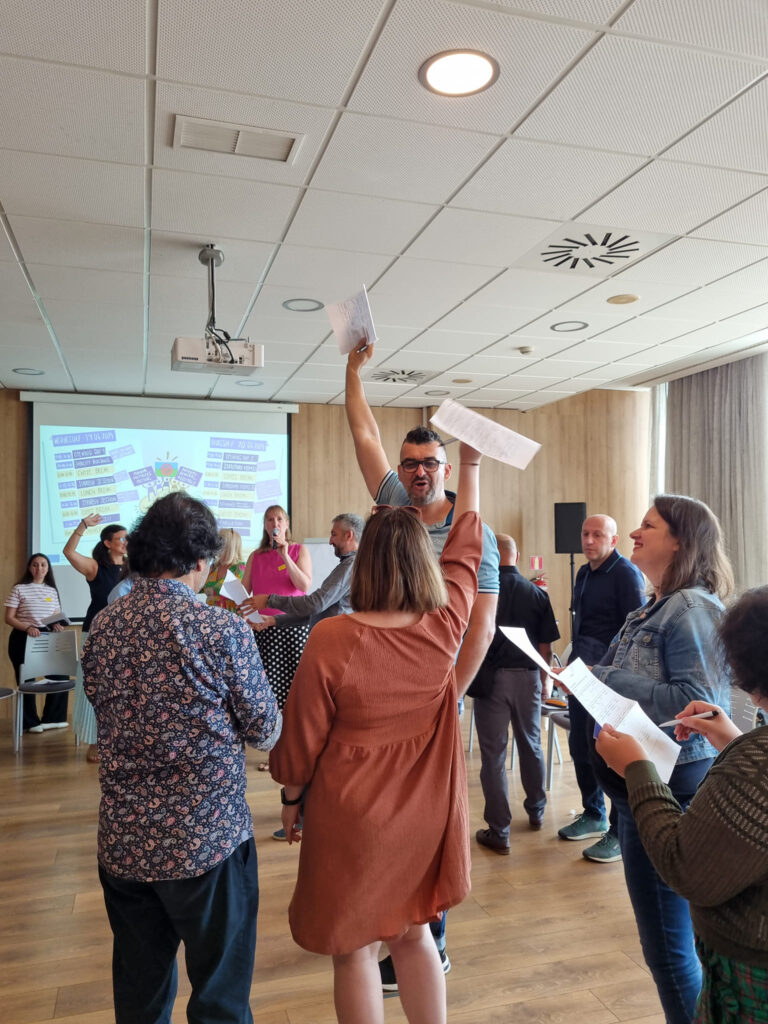
A significant portion of the assembly was dedicated to the initial phase of crafting ERGO Network’s strategy for the next six years. Cristina Rigman, an independent strategy consultant, moderated three sessions focused on defining the network’s long-term vision, understanding its role, and enhancing member engagement.

Cristina’s sessions facilitated reflections on the network’s successes and challenges, the core values guiding our mission, and the collective aspirations for 2030. These dialogues were essential in aligning views and setting a foundation for the network’s strategic roadmap.

Capacity Building and Membership Strategy

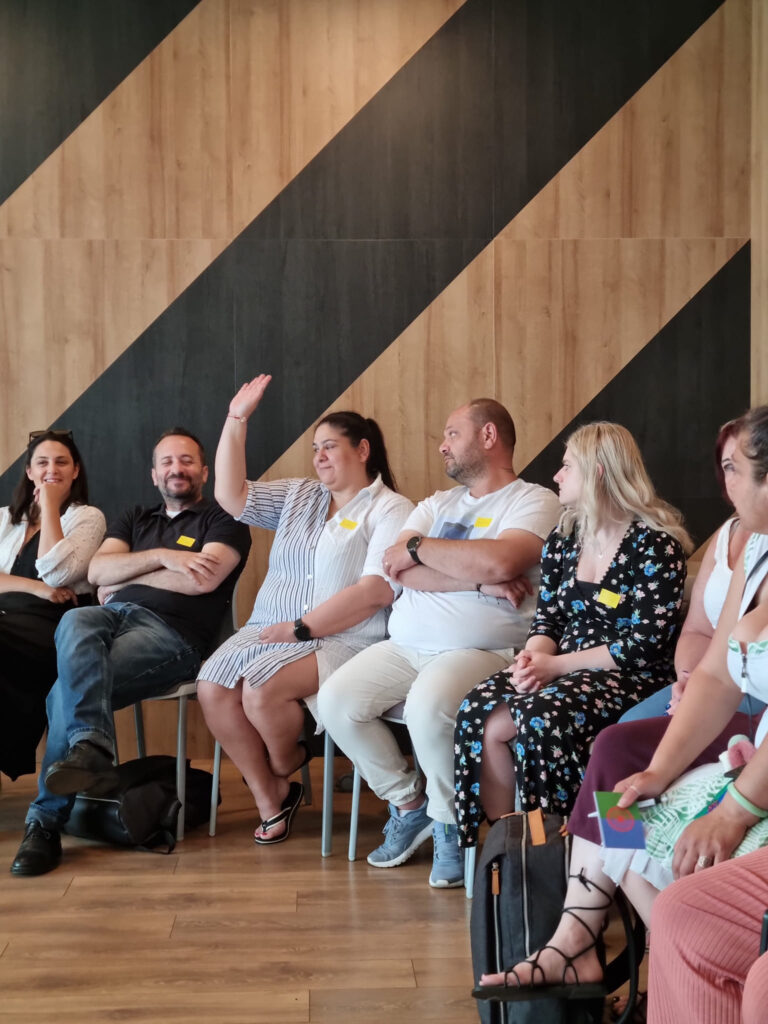
In addition to strategic planning, the assembly featured a capacity-building session titled “I Work, You Work, WE NETWORK,” which aimed to strengthen connections among member representatives and clarify opportunities for engagement within the network.

Membership strategy also took centre stage, with Martina Horváthová presenting the objectives and principles guiding ERGO Network’s membership framework. The session highlighted the importance of a robust membership strategy to ensure the network’s growth and sustainability.

The discussion underscored the need for solidarity and mutual support among members. Representatives from Zero Discrimination (Türkiye) and Chiricli (Ukraine) shared their visions for continued cooperation, while La Voix des Rroms (France) offered their support in direct work with evicted Roma communities.

Elections and New Members

The General Assembly also elected a new board member. Dragan Joković, from Otaharin, Bosnia and Herzegovina, was elected, bringing his extensive experience and dedication to the board.

New associate members were welcomed, including Romni APS (Italy), Suomen Romaniyhdistys (Finland), and Trajosko Drom (Sweden) and this inclusion is expected to strengthen the network’s reach and impact across Europe. Videos from new members can be found online here.

We also approved the change of status for our members Sastipen (Romania) and Roma Women Platform ROMNI (Moldova) to full members. Three new Friends of ERGO were also approved: Monika Mihaličková (Czechia), Biser Alekov (Belgium), and Stanislav Daniel (Slovakia).

Field Visit and Cultural Exchange

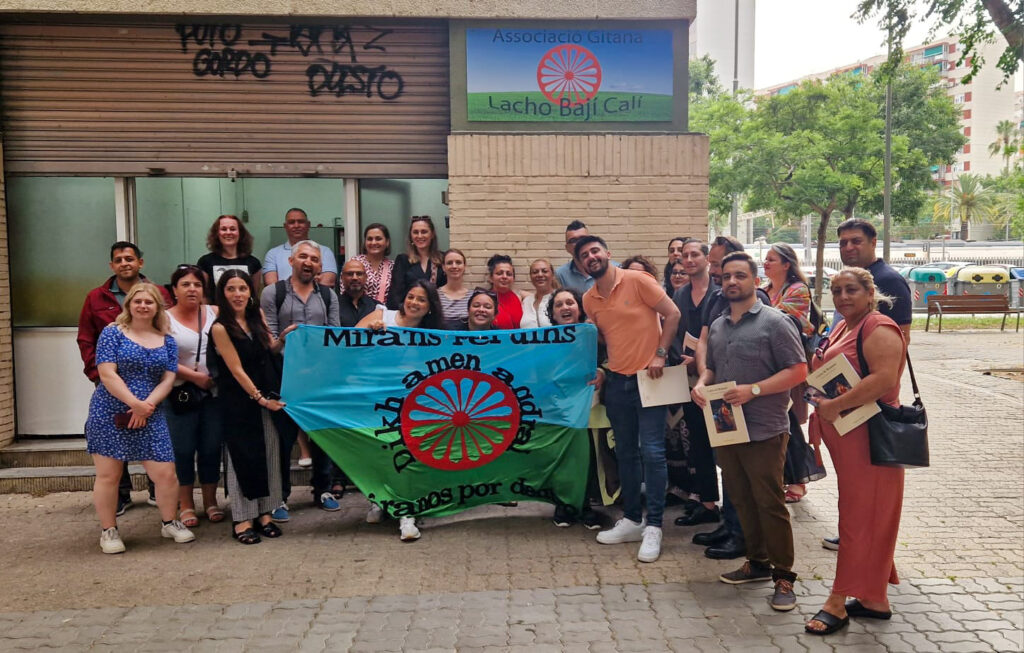
A highlight of the assembly was a field visit to Lacho Baji Cali, a local grassroots organisation in L’Hospitalet de Llobregat, Barcelona. Led by the Roma leader Ms Mercedes Gómez, the visit offered a firsthand look at the organisation’s efforts in supporting Roma community members through education and cultural initiatives. This visit provided insights into successful local activism and community engagement.

Conclusion and Future Outlook

The 2024 General Assembly concluded with reflections on the shared experiences and a call to action for the coming years. Gabriela Hrabaňová, ERGO Network Director, expressed her gratitude to all participants and extended an invitation to the next General Assembly, planned in Prague in spring 2025.

The ERGO Network General Assembly 2024 in Barcelona was a testament to the collective effort and strategic vision. As we fine-tune the strategy and look towards 2030, the foundations laid during these sessions promise to strengthen the solidarity among Roma communities across Europe.

`
General – Page 12 – ERGO Network

By continuing to use the site, you agree to the use of cookies. more information

The cookie settings on this website are set to "allow cookies" to give you the best browsing experience possible. If you continue to use this website without changing your cookie settings or you click "Accept" below then you are consenting to this.

Close