CALL FOR PARTICIPANTS
Roma Youth Advocacy Seminar
Brussels, April 6 until 13, 2018 (including travel days)
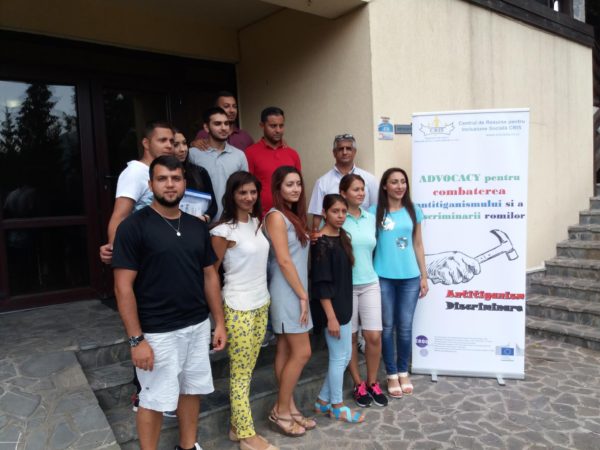
Join us in Brussels to learn about European policy-making and civil society advocacy, and to raise young voices in front of the European Parliament, European Commission and other stakeholders to combat antigypsyism and to advance important issues for Roma communities. This six days lasting seminar is organized by ternYpe International Roma Youth Network, ERGO Network and the Documentation and Cultural Centre & Central Council of German Sinti and Roma. It will gather 40 young Roma and non-Roma activists in order to strengthen their capacity as young advocates and leaders to tackle antigypsyism. During the seminar, the group will run a youth campaign against antigypsyism targeting EU level actors, like Members of the European Parliament and European Commission. The advocacy seminar is part of the “EU Roma Week” around the 8 April – International Roma Day.
Our mission and vision
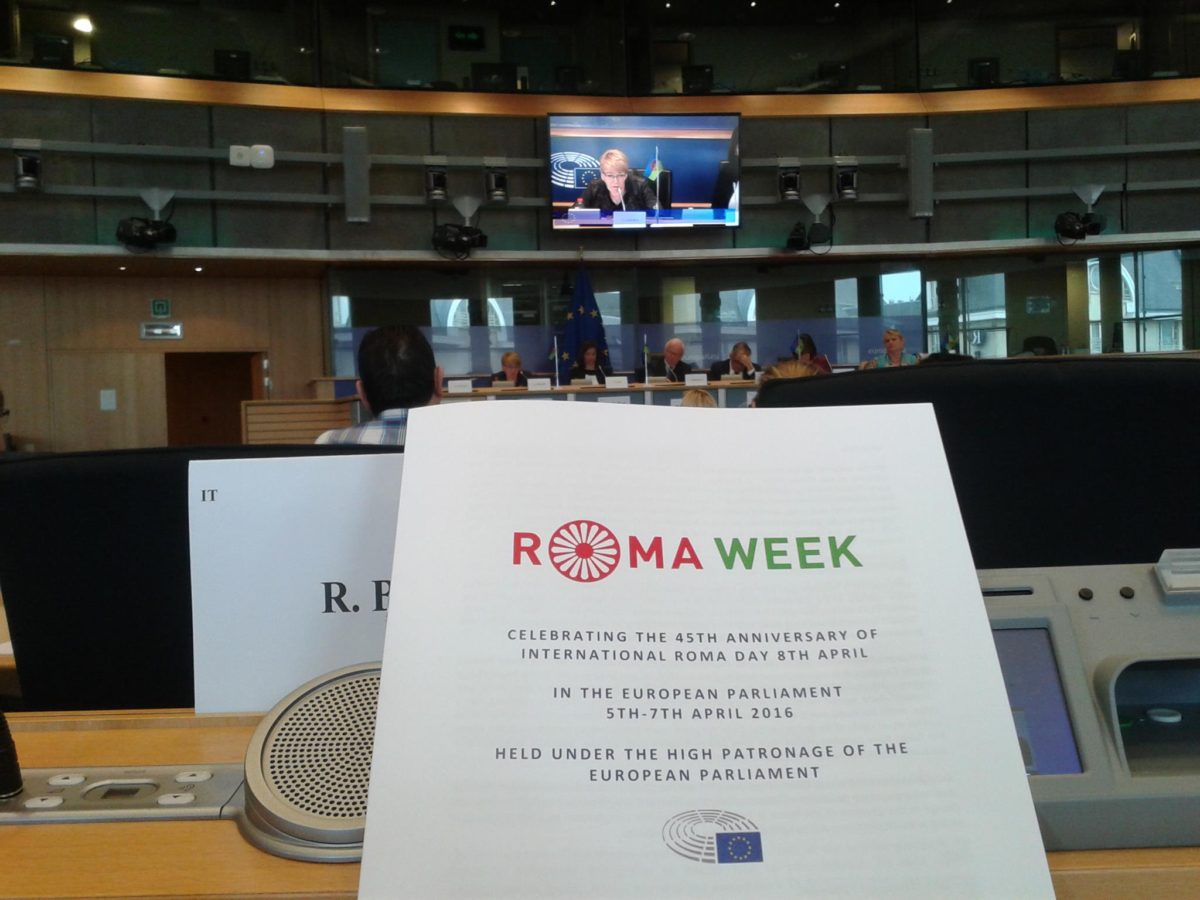
The organizers aim to empower young Roma to have a voice to become key agents of change, and to foster solidarity among young people! We have a strong vision to make a change in Europe. As young Roma and non-Roma we believe that we can build a European culture based on respect, dialogue, human rights and equal opportunities. We strongly follow our mission to create space for young people to become active citizens through empowerment, mobilization, self-organization and participation. “EU Roma Week” in the European Parliament Roma Week 2018 takes places from April 9-12, 2018 in the European Parliament in Brussels and Strasbourg to mark the occasion of the International Roma Day on 8 April 2018. Roma Week 2016-2017 resulted in the Slovak Presidency having two Council Conclusions on Roma with reference to the European Parliament’s 2015 resolution on antigypsyism and for the recognition of the Roma Genocide, as well as in a new Parliament report on fundamental rights aspects in Roma integration in the EU: fighting anti-Gypsyism (of October 2017).
Objectives of “EU Roma Week”
EU Roma week 2018 is designed with the aim of bringing together Roma activists from the European Union to advocate for recognition and institutional responses against antigypsyism across Europe, as well as to engage in the discussions for a post2020 EU Framework for the National Roma Integration Strategies.
AIMS AND OBJECTIVES
The seminar aims to strengthen the capacity of the participants to understand the structures and working mechanisms of the EU institutions, as well as the current EU policies concerning Roma and against racism, and to develop advocacy strategies and campaigns raising-awareness about antigypsyism on European level.
The objectives of the activity are to:
- Get to know the European Union institutions and to understand their working mechanisms, and policies towards Roma, in particular of the European Parliament and European Commission;
- Build a dialogue and bring a Roma youth perspective to DG Justice (responsible for Roma policies in the European Commission), to DG EAC (Education and Culture, includes the youth sector in the European Commission), as well as to Members of the European Parliament in particular of ARDI(Anti-Racism and Diversity Intergroup);
- Learn about the work of the EU umbrella organizations and contribute to their work;
- Raise awareness of the participants about antigypsyism, and the current anti-racism policies;
- Raise awareness of the participants about the Brussels-based civil society structures and their strategies against antigypsyism and racism (in particular ERGO Network, ENAR (European Network against Racism) and the European Youth Forum);
- Develop a youth campaign against antigypsyism and on Roma youth perspectives during the “EU Roma Week” of the European Parliament;
- Raise awareness of Members of the European Parliament, European Commission staff and Brussels based advocates about the recognition of the Roma Holocaust and of antigypsyism, which was acknowledged in April 2015 by a European Parliament resolution and in a report of the LIBE Committee in October 2017.
THEMATIC GROUPS
Participants are asked to indicate already in their application their preference for one working group. During the training-course the participants will work in small groups of 10 to 15 participants around this theme.
- Participation: focus on political participation of Roma and of young women and men, participation in mainstream political parties, European Parliament elections 2019, state institutions as well as participation in mainstream civil society and youth structures, such as National Youth Councils, European Youth Forum;
- Antigypsyism: focus on the policy debate on combating antigypsyism, bringing focus on antigypsyism within the EU Roma Framework, with a special focus on youth and women,
impact of antigypsyism on youth and women, role of youth and women in combating antigypsyism, issue of hate speech in the public field; - Advanced Advocacy: focus on the mid-term review of the EU Framework for National Roma Integration Strategies, and advocacy for a post 2020 European Roma Framework, the Social Europe/European Pillar of Social Rights policy and the Multiannual Financial Framework post 2020.
| Friday,
6 April |
Arrival, joint dinner, welcome
|
| Saturday,
7 April |
Opening, sharing experiences
Training sessions: the European institutional framework, Roma-related policies |
| Sunday,
8 April |
Training sessions on advocacy and antigypsyism
Focus on the “Alliance against Antigypsyism” International Roma Day events |
| Monday,
9 April |
Work in thematic groups: Participation, Antigypsyism, Advanced Advocacy
Preparation of the Roma Week activities Meeting with experienced EU advocates and activists Meetings with external stakeholders in small thematic groups: European Commission, European civil society structures, International Organizations Situation in Western Balkan and Turkey, EU Enlargement policies |
| Tuesday,
10 April |
The thematic working groups (Participation, Antigypsyism, Advocacy) participate and engage in various activities of the EU Roma Week in the European Parliament |
| Wednesday,
11 April |
The thematic working groups (Participation, Antigypsyism, Advocacy) participate and engage in various activities of the EU Roma Week in the European Parliament |
| Thursday,
12 April |
Working Breakfast with various Members of the European Parliament;
The thematic working groups (Participation, Antigypsyism, Advocacy) participate and engage in various activities of the EU Roma Week in the European Parliament; Evaluation of the event and of the Roma week, Closing dinner |
| Friday,
13 April |
Departure |
PROFILE OF THE PARTICIPANTS
- Present will be Roma and non-Roma youth leaders, activists, multipliers, and volunteers who are active in Roma communities and experienced in working with Roma communities and/or Roma youth. We aim to create a balanced group of experience participants and participants who have NOT participated in the training previously, and who demonstrate a strong interest in advocacy and political participation.
Participants must also: - be able and committed to act as young advocates and multipliers in youth work on the themes of anti-discrimination, combating racism and antigypsyism and promotion of human rights with young Roma, for the benefit of Roma communities and Roma youth;
- be motivated to develop their competences in advocacy, anti-discrimination work, human rights education and youth work and to share their experiences with other participants;
- be actively committed and involved in a Roma (youth) initiative, advocacy group or organization;
- be aged between 18 – 35 years;
- be committed to attend for the full duration of the course;
- be able to work in English, or check with the coordination that translation can be provided through other participants or team members;
- be resident in one of the following countries: Belgium, France, Italy, Spain, Germany, Austria, Czech Republic, Slovakia, Poland, Hungary, Romania, Bulgaria, Macedonia
DATES OF THE ACTIVITY
Arrival: April 6, 2018 (Friday)
Program days: April 7 until April 12, 2018
Departure: April 13, 2018 (Friday)
LOCATION
The seminar is organised in Brussels.
Accommodation is provided in Hotel Aviation, Square de l’Aviation 20, 1070 Bruxelles. The conference will take place in various venues. Information is provided with the Info Pack later.
TRAVEL
Participants should organize their travel (arrival and departure) for these dates AFTER the organizers have confirmed their participation. Earlier arrivals and late departures will be exceptions after discussion with the organizers.
COSTS
Reimbursement of travel costs:
The organisers of the seminar cover accommodation and food during the activity. The maximum of reimbursement of travel costs is € 200 (for French and German participants € 150); if costs are higher they have to be covered by participants or contact the organizers. The reimbursements of travel expenses (based on economical prices, Apex, student price, special price) will take place on the spot during the week in cash or by bank transfer after the activity. Participants should bring with them original invoices to prove the costs of travel as well the tickets.
APPLICATION AND SELECTION
How to apply? Register in the online application form:
https://goo.gl/forms/1oFCubAdEg1HO60H2
Application deadline: February 25, 2018 (end of day)
Selection procedure:
If you fit into the participants’ profile, you may submit an application until February 25 at midnight Central European Time. The preparatory team will select up the participants on the basis of the profile outlined above, ensuring also a balance between genders, geographical regions, different types of experiences and organizations. Within few days, we will inform the candidates whether their application has been accepted or rejected.
ANY QUESTIONS?
Contact person: Jozsef Rostas
e-mail: j.rostas@staging.ergonetwork.org
ternype general contact: ternype@romayouth.com
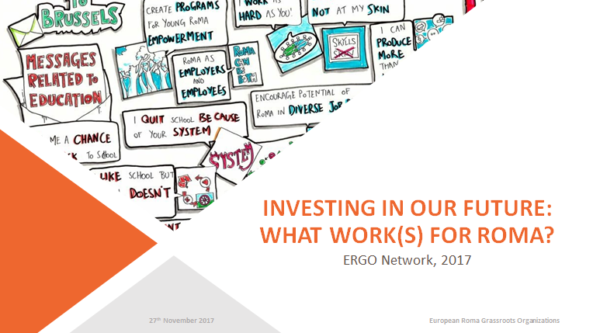
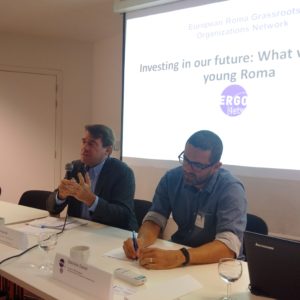
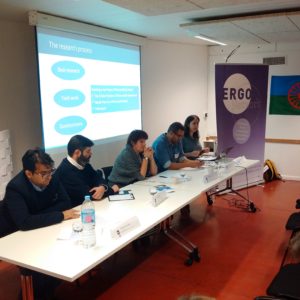

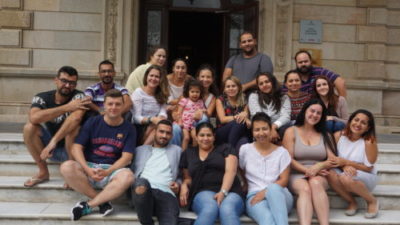
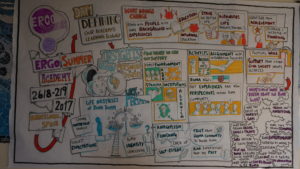
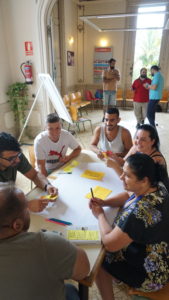 The academy invited participants to join as experts from ERGO member organisations, other Roma NGOs and local or national administrations to discuss emerging issues of social exclusion, education and employment, and what a multi-stakeholder agenda for quality education and better employment can achieve regarding Roma youth.